
Flagship section
Fall Prevention
The flagship section, built directly on the CDC STEADI screen-assess-intervene model. Contains the fall risk screening quiz, the post-fall decision tree for active crisis situations (conscious/responsive checks, when to call 911 vs. urgent care, what to watch for in the following 72 hours), risk-factor explainers (medication side effects, vision, balance), and numbered warning-sign guides. This is the only group that owns crisis-path content; modification and mobility groups link back here rather than duplicating triage guidance.
Plan ahead
other
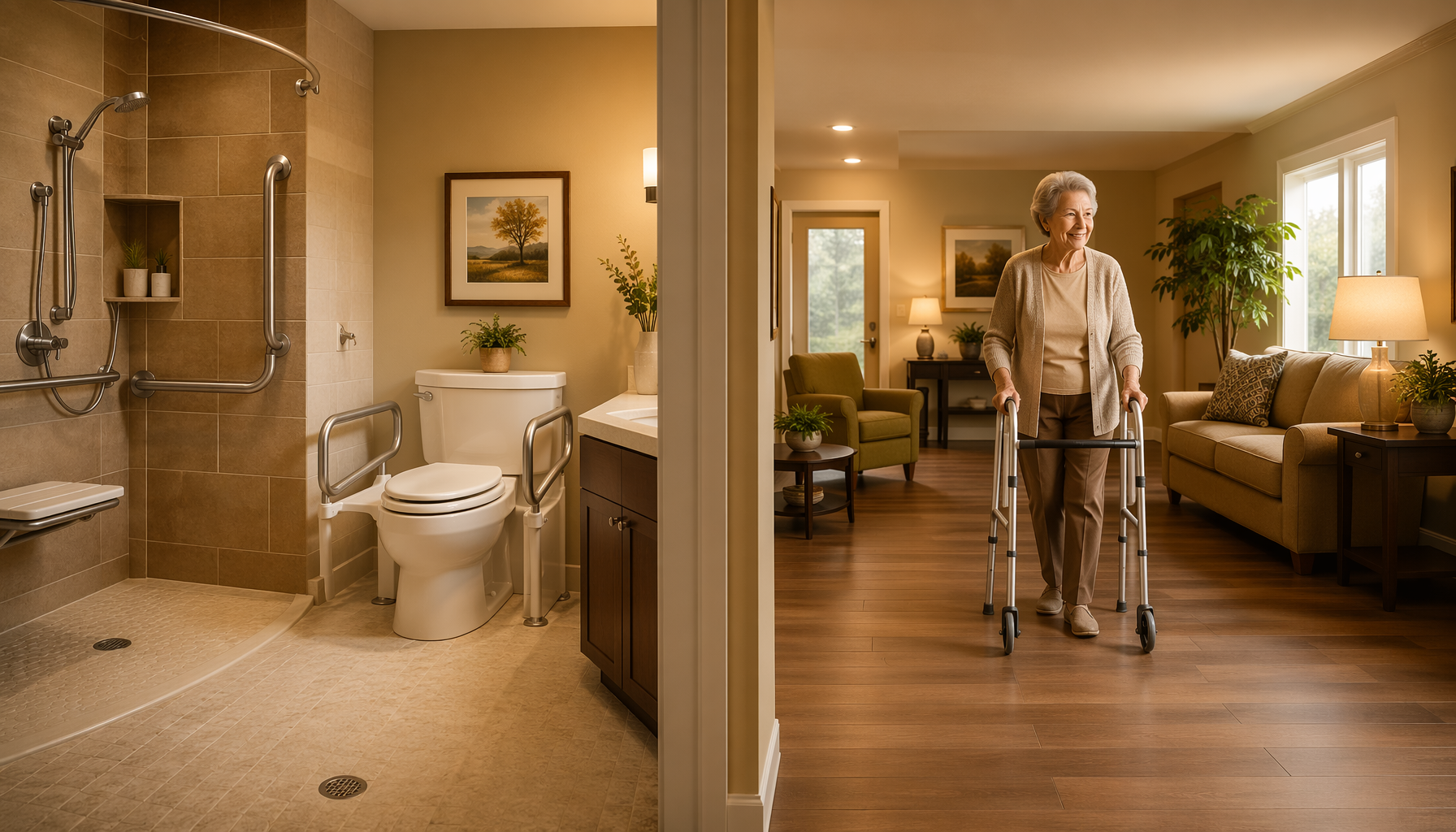 —
—Evidence-Based Home Modifications That Actually Prevent Falls: What the Research Says
Not all home modifications are equally effective. This article reviews the latest systematic reviews and RCTs to show that secure rails (grab bars and handrails) are the single most evidence-supported intervention for preventing falls at home, and explains why some modifications work better than others.
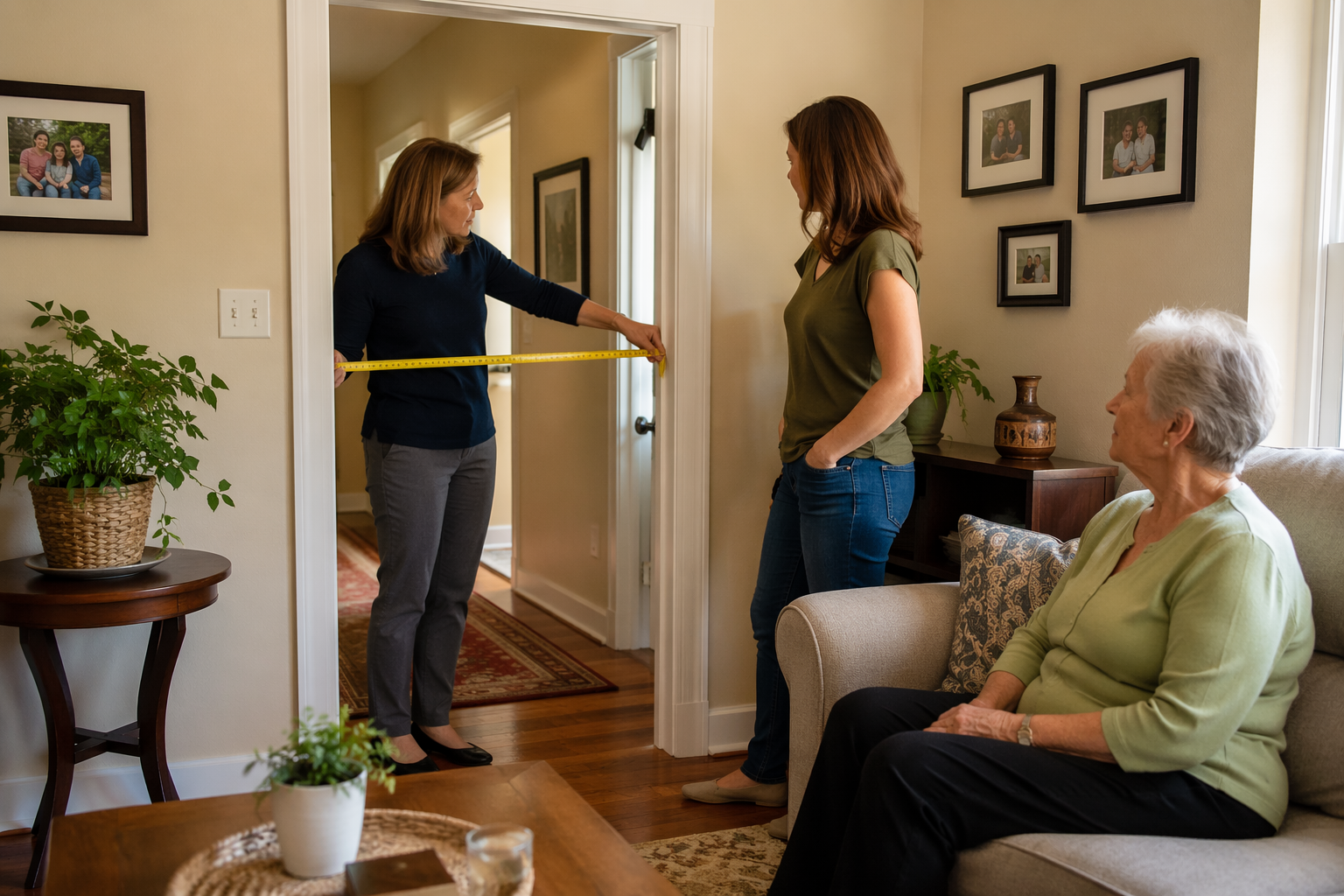 —
—Fall Prevention at Home: How a Certified Aging-in-Place Specialist Can Help (Room-by-Room Guide)
After a parent's fall, a CDC checklist is a good start, but it misses structural hazards. This guide explains how a Certified Aging-in-Place Specialist (CAPS) performs a systematic, room-by-room assessment to identify hidden fall risks and create a prioritized modification plan.
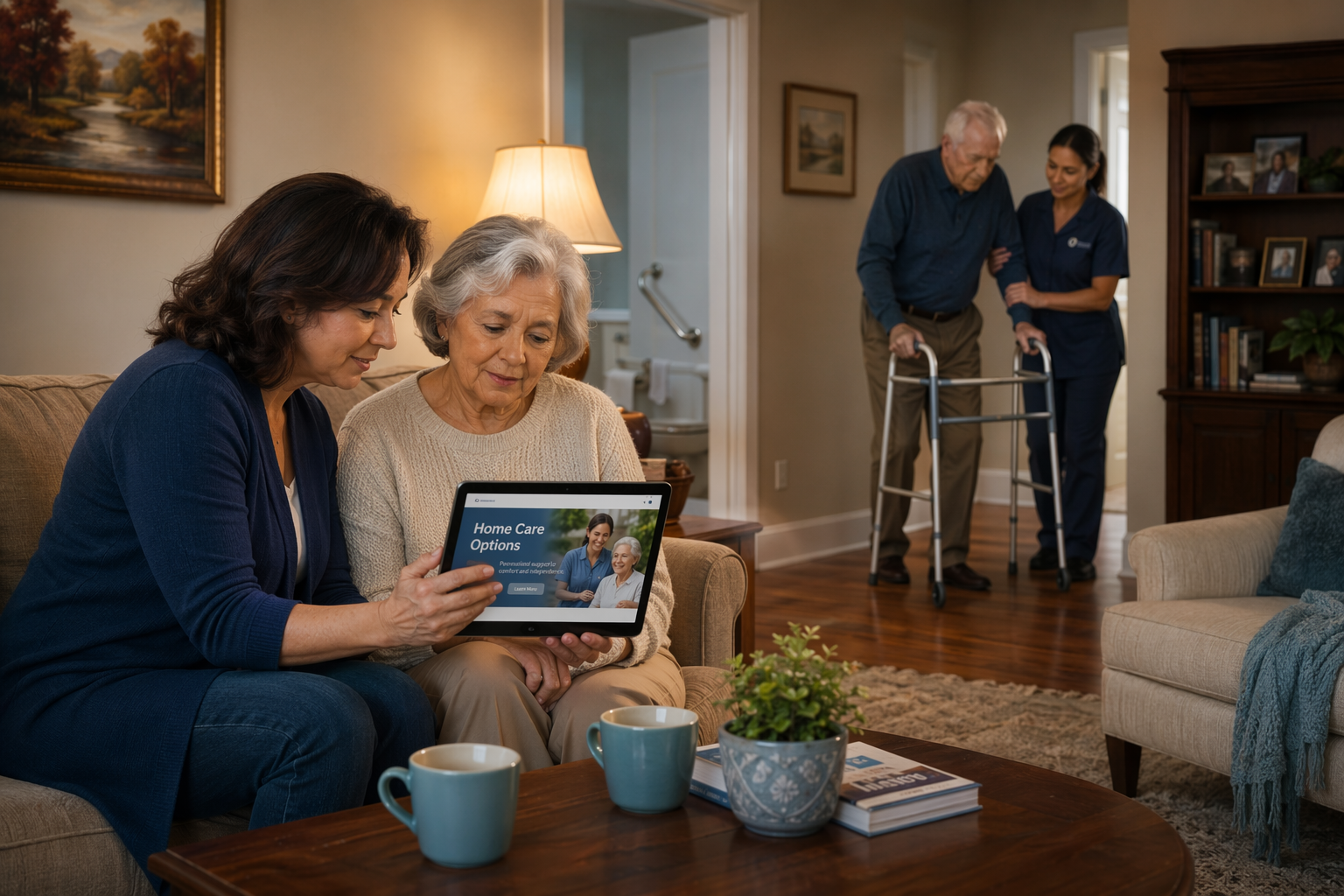 —
—When Falls Signal the Need for 24-Hour Care: A Decision Guide for Families
If your parent has recently had a fall, you may be wondering whether 24-hour supervision is necessary. This guide helps you weigh fall risk factors, costs, and care options to make an informed decision.
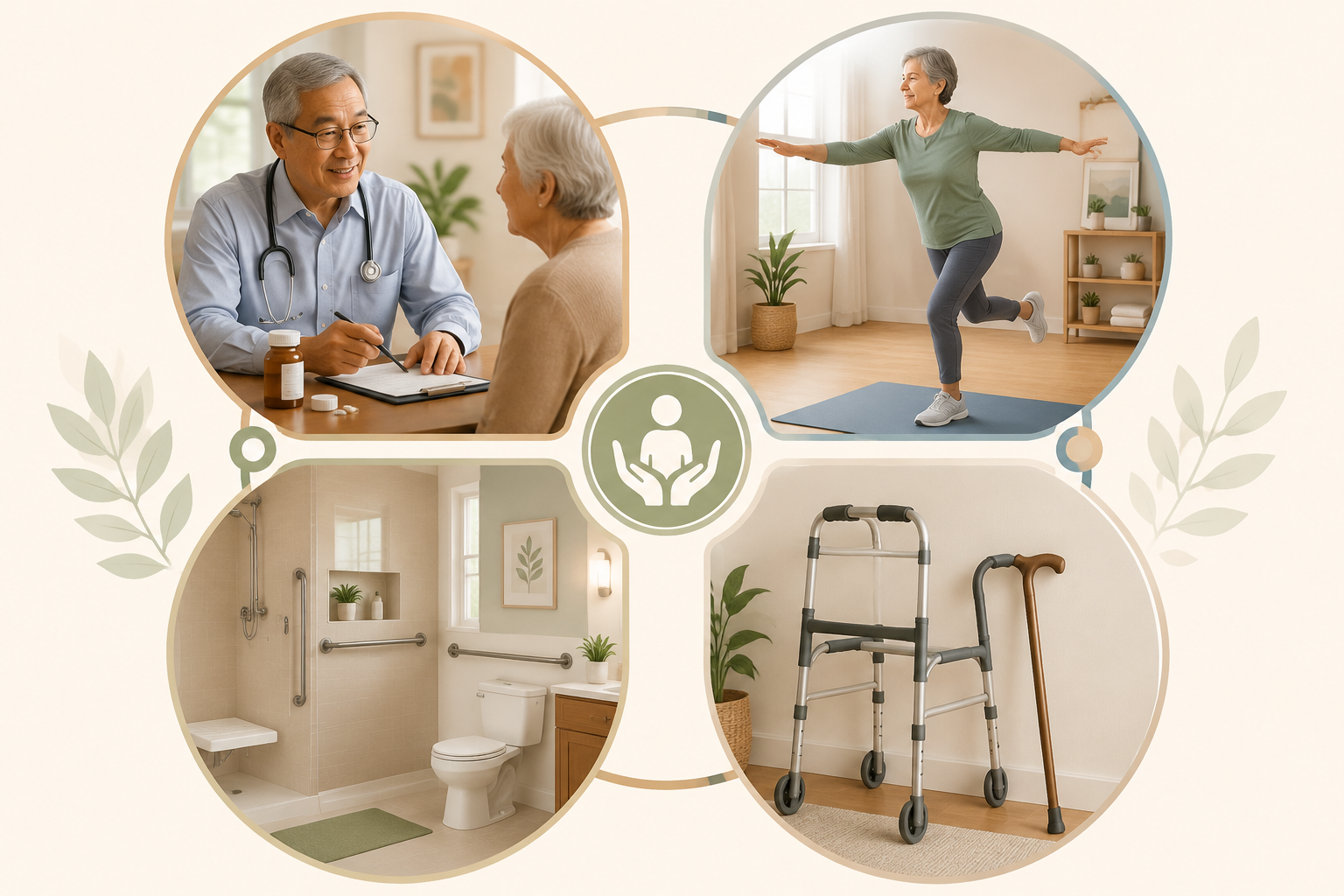 —
—Fall Prevention for Older Adults: The Four Pillars of an Evidence-Based Home Safety Plan
Falls in older adults are rarely caused by a single issue. This article explains the four evidence-based domains—medical review, targeted exercise, home modification, and assistive devices—that together significantly reduce fall risk, and provides a coordinated action plan for family caregivers.
 —
—Beyond Falls: 4 Other Home Hazards Every Caregiver Should Know About
Falls are the most common home safety risk for older adults, but fires, drownings, carbon monoxide poisoning, and bed rail entrapment together kill over 1,200 older adults each year. This guide helps caregivers identify and fix these overlooked hazards.
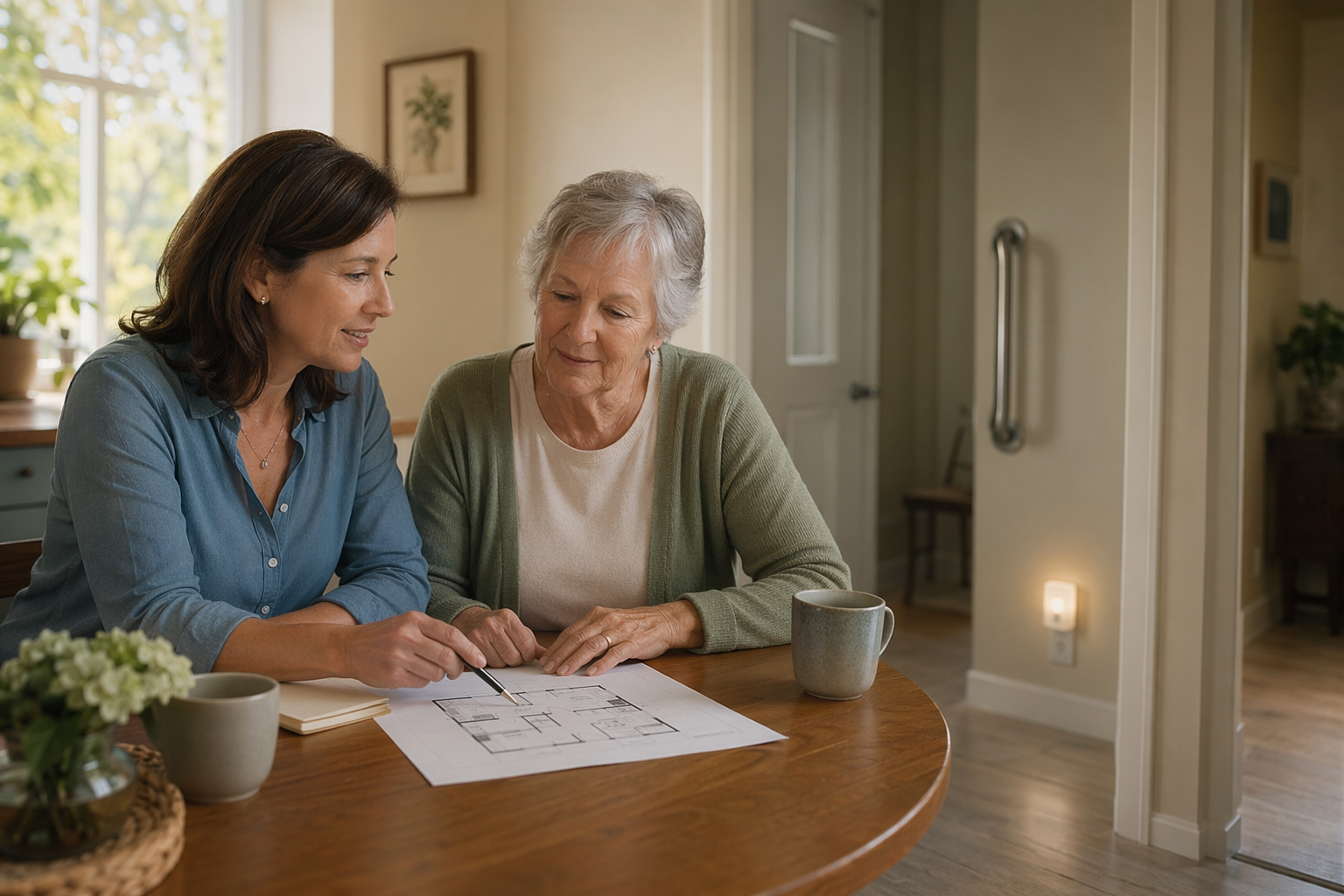 —
—How to Talk to an Aging Parent About Fall Risk and Home Assistance: A Guide for Family Caregivers
Many older adults resist discussing fall risk, making it difficult for family caregivers to introduce home safety changes. This guide provides a structured communication approach based on the CDC STEADI Stages of Change Model, with conversation scripts and practical strategies to help your loved one accept the support they need.
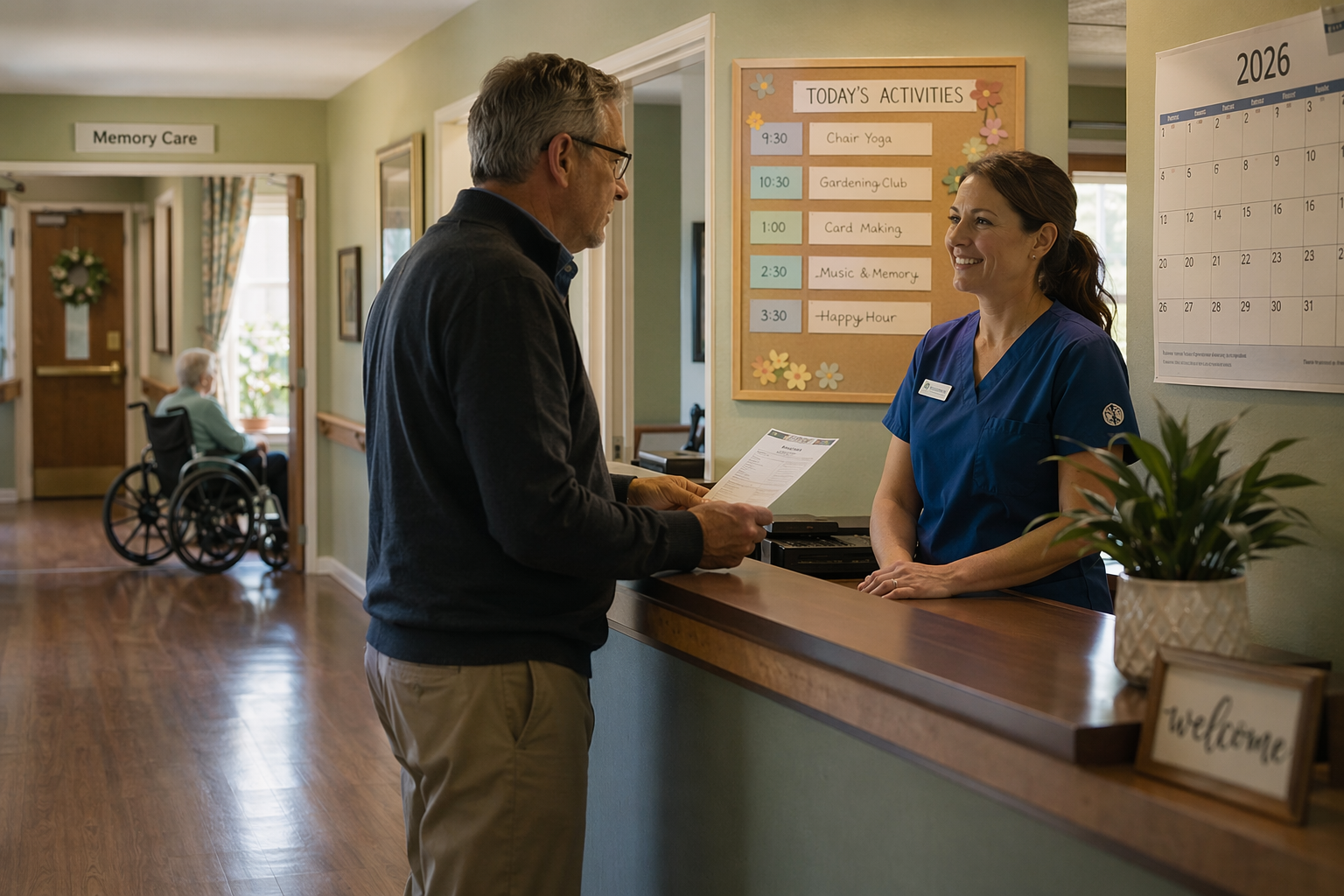 —
—Is D'Youville Senior Care a Good Nursing Home? A Data-Driven Review for Families (2026)
This data-driven review evaluates D'Youville Senior Care in Lowell, MA, for families deciding on a nursing home placement. We analyze CMS star ratings, key clinical metrics, staffing ratios, inspection history, and memory care capabilities to help you make an informed decision.
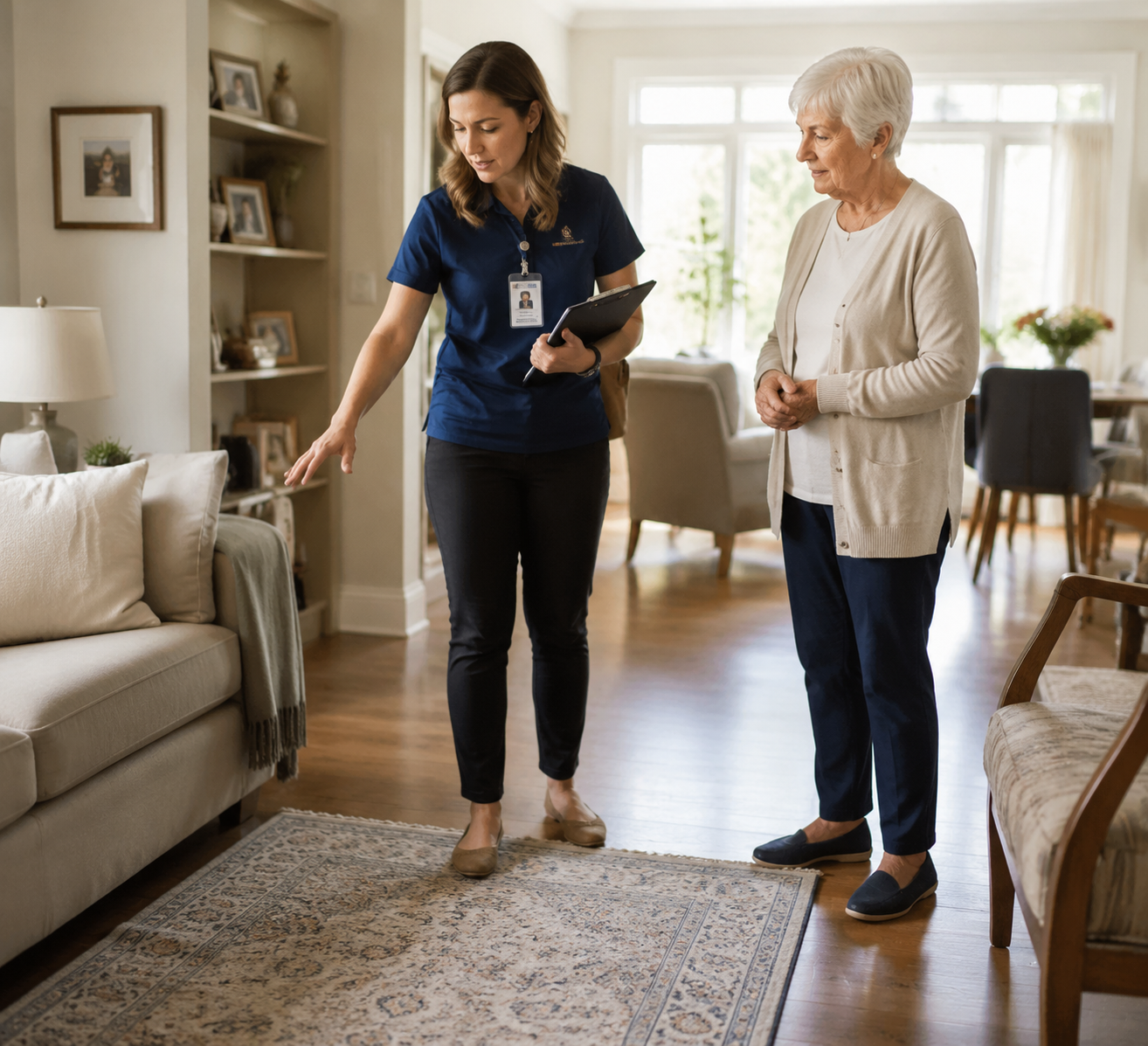 —
—Professional Home Safety Assessments for Older Adults: What Medicare Now Covers
Learn why a professional home safety assessment is the most effective first step after a fall or hospitalization, and how the new Medicare coverage (effective January 2026) helps families get a documented, prioritized action plan without paying out of pocket.
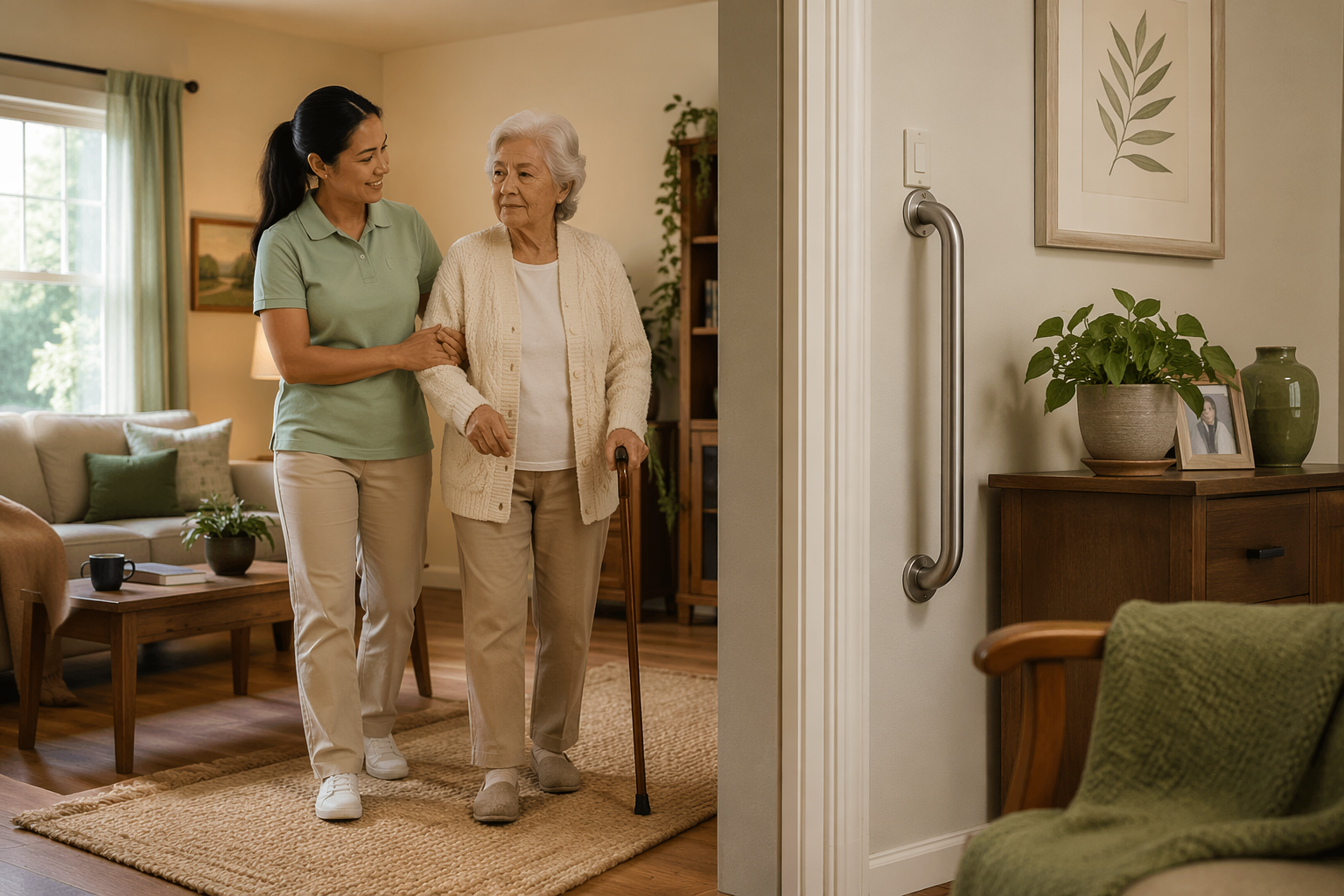 —
—When Falls Signal the Need for 24/7 Home Care: A Decision Framework for Families
Recurrent falls are a clear signal that part-time help may no longer be enough. This article provides a three-level decision grid linking fall frequency to the right care model — from home modifications and part-time care to live-in or 24-hour shift care.
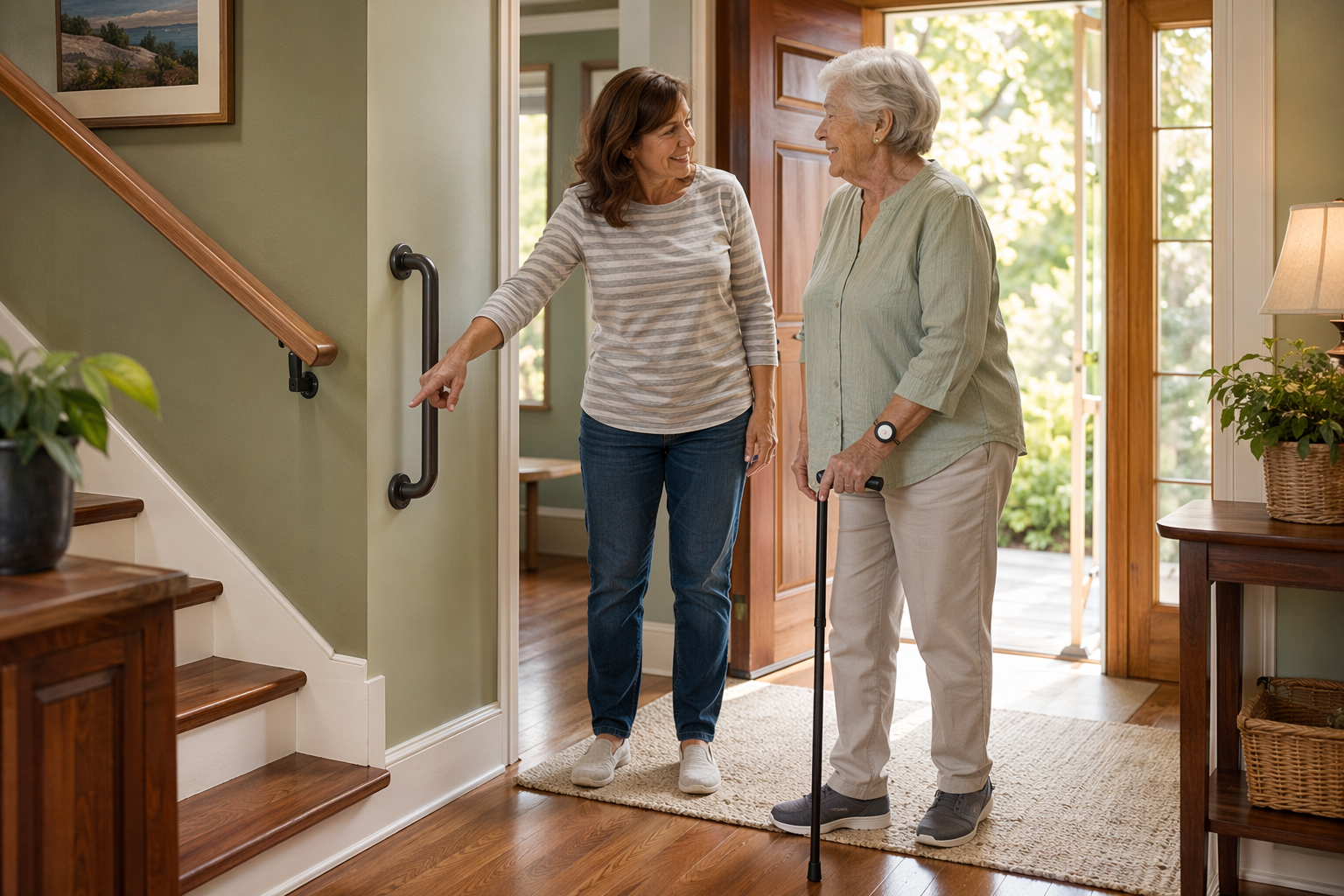 —
—Your Parent Just Fell: A 30-Minute Family Safety Walkthrough to Prevent the Next Fall
A structured, timed walkthrough for adult children to identify and fix the highest-risk fall hazards in their parent's home immediately after a fall, based on the CDC STEADI framework.
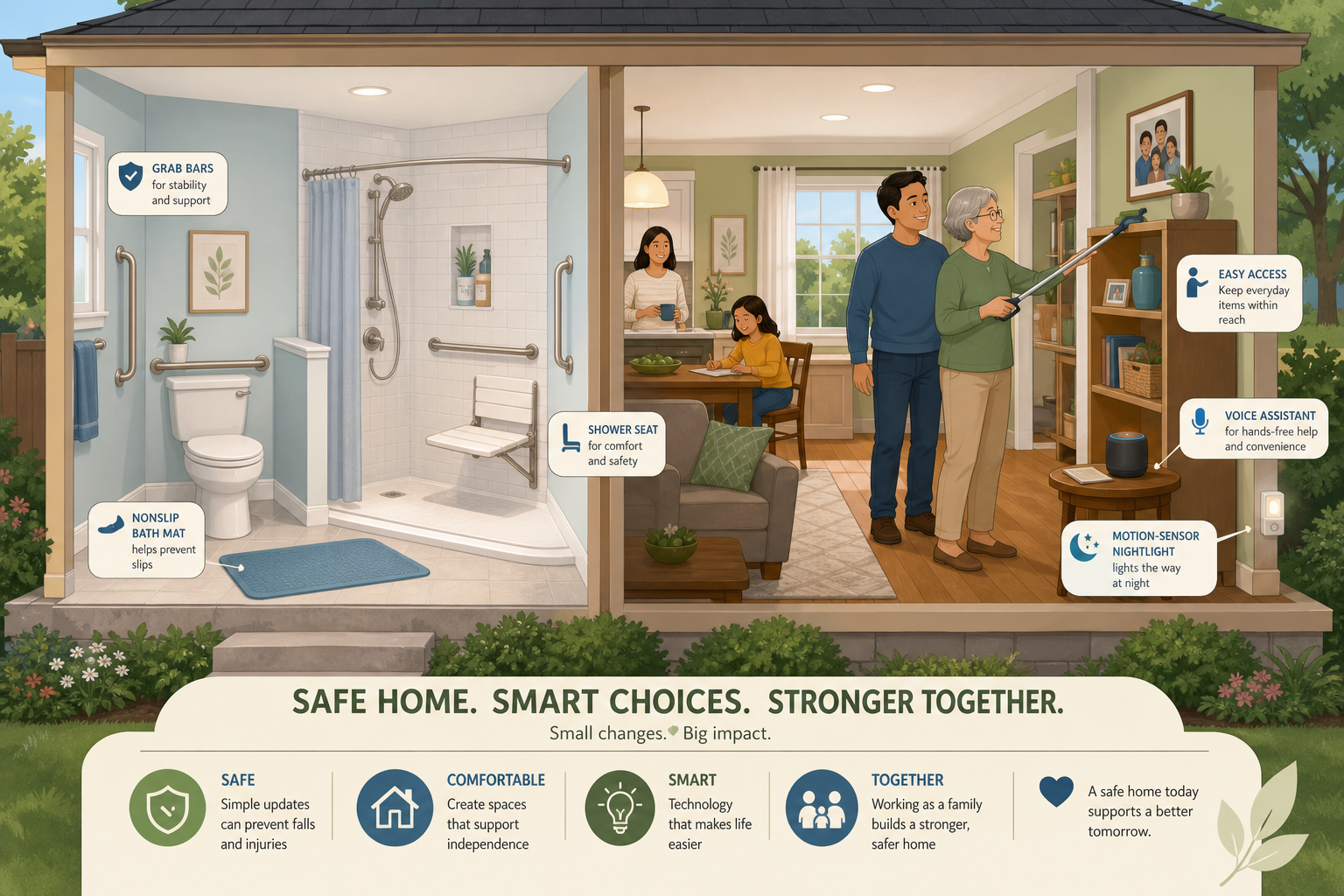 —
—The Fall Prevention Gap: Why 90% of Homes Aren't Ready for Aging in Place (and What to Do About It)
93% of older adults want to age in place, yet 90% of homes lack basic safety features. This article bridges the gap between desire and action with a week-by-week prioritization framework for fall-proofing a home.
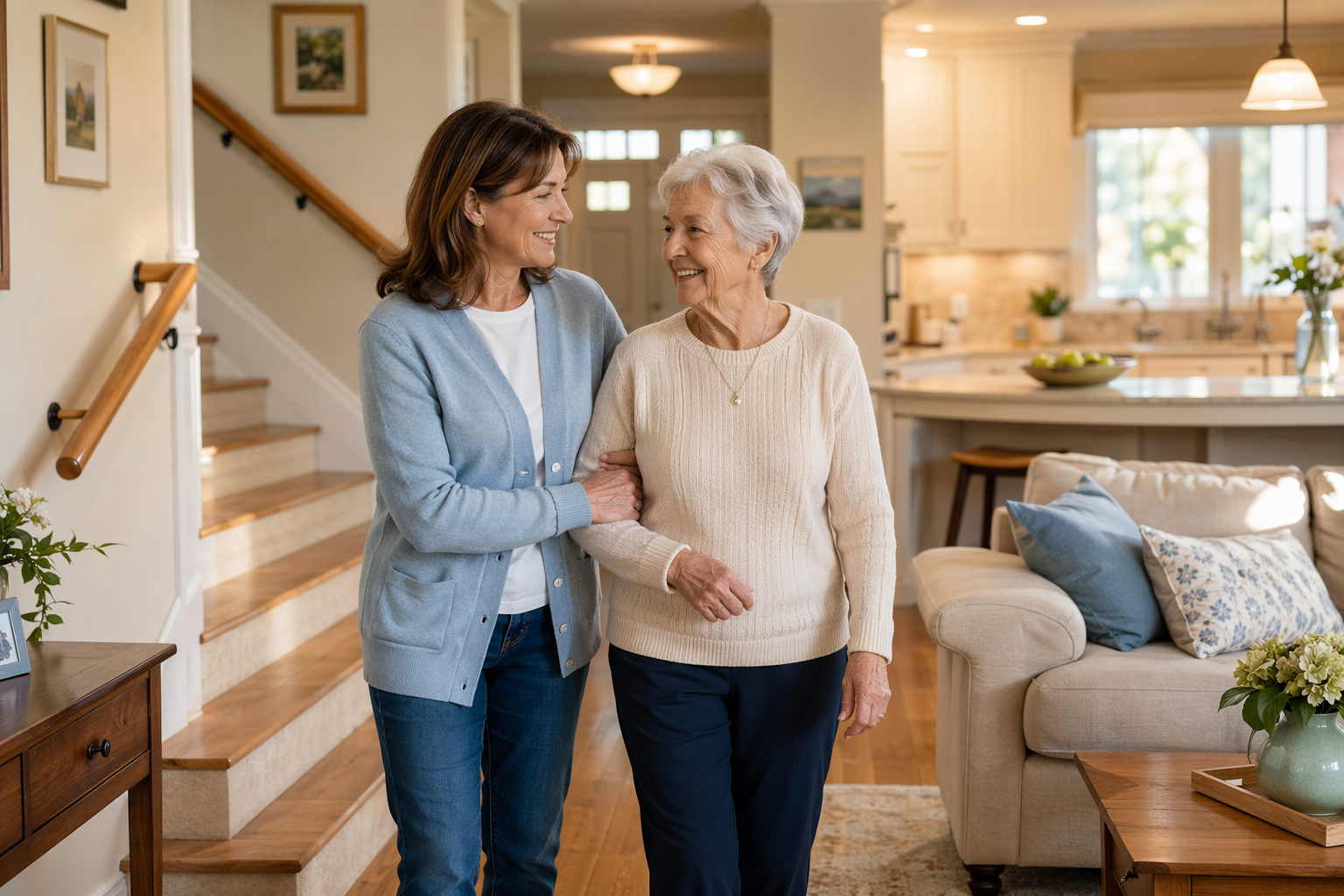 —
—The Aging-in-Place Gap: Why 92% of Older Adults Want to Stay Home but Only 10% of Homes Are Ready — A Practical Guide for Families
This guide helps adult children assess whether their parent's home is truly ready for safe, independent aging. It bridges the gap between the strong desire to age in place and the reality that most homes lack basic accessibility features, offering a three-domain readiness framework and a prioritized action plan.