
Plan ahead
Home Modifications
Product-neutral, room-by-room aging-in-place guidance (entryway, bathroom, bedroom, kitchen, stairs/hallways) modeled on the AARP HomeFit checklist structure, with dimensional specifics (grab bar height and clearance, lighting placement, threshold height) drawn from ADA and CAPS standards. Each room page states what to check, what to change, and when a CAPS-credentialed professional is warranted, without naming or ranking contractors or products. Cross-links to relevant Fall Prevention risk factors and Mobility equipment comparisons.
Entryway
This room's checklist is in progress. In the meantime, the matching Fall Prevention risk factor covers general guidance.
Bathroom
This room's checklist is in progress. In the meantime, the matching Fall Prevention risk factor covers general guidance.
Bedroom
This room's checklist is in progress. In the meantime, the matching Fall Prevention risk factor covers general guidance.
Kitchen
This room's checklist is in progress. In the meantime, the matching Fall Prevention risk factor covers general guidance.
Stairs And Hallways
This room's checklist is in progress. In the meantime, the matching Fall Prevention risk factor covers general guidance.
Other
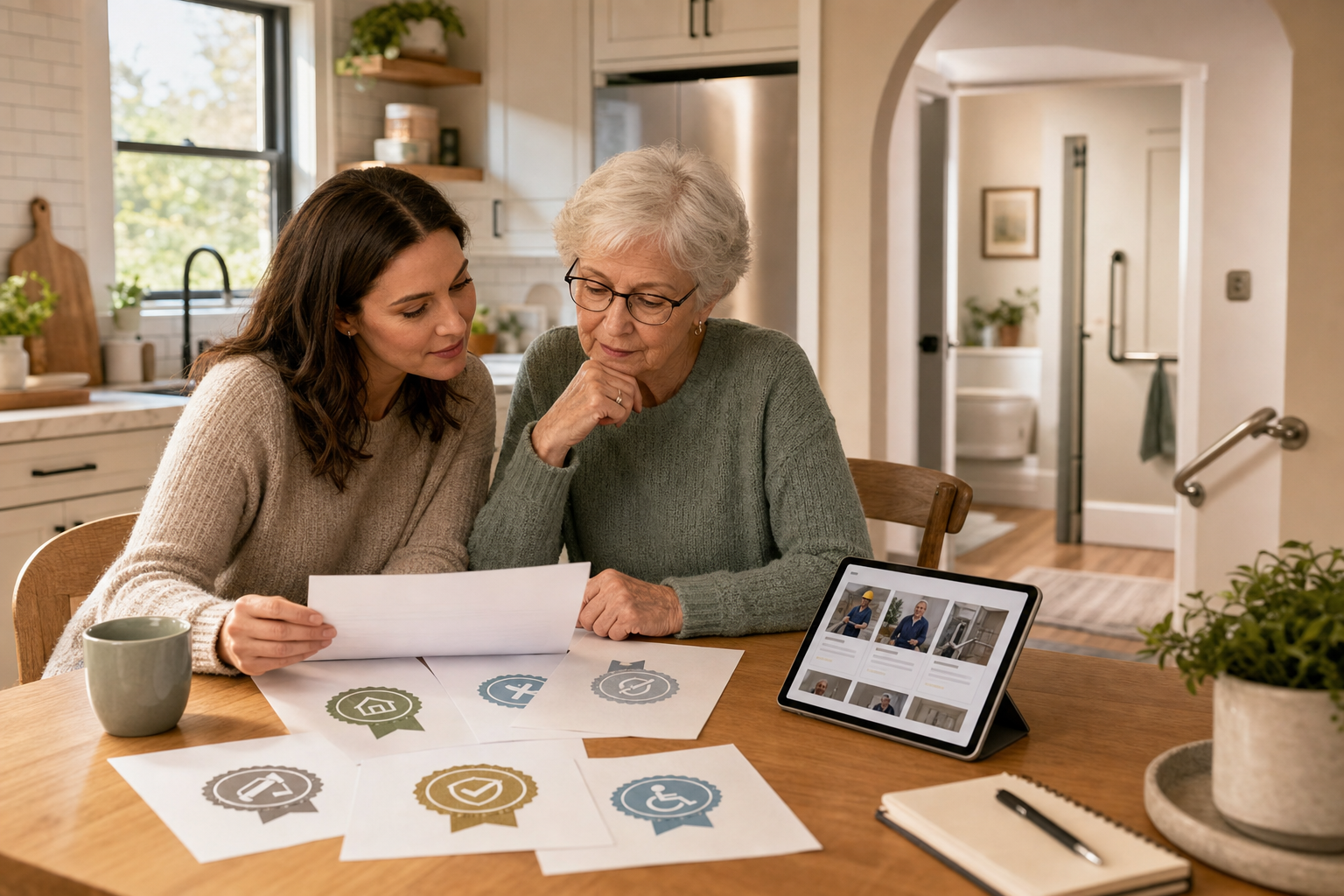
CAPS vs. Other Aging-in-Place Certifications: Which Credential Should You Trust for Your Parent’s Home Modifications?
Family caregivers often encounter confusing acronyms like CAPS, CEAC, CLIPP, and UDCP when searching for home modification professionals. This guide compares the most common aging-in-place certifications side-by-side, explaining what each covers, who typically holds it, and which credential best matches your specific home safety needs.
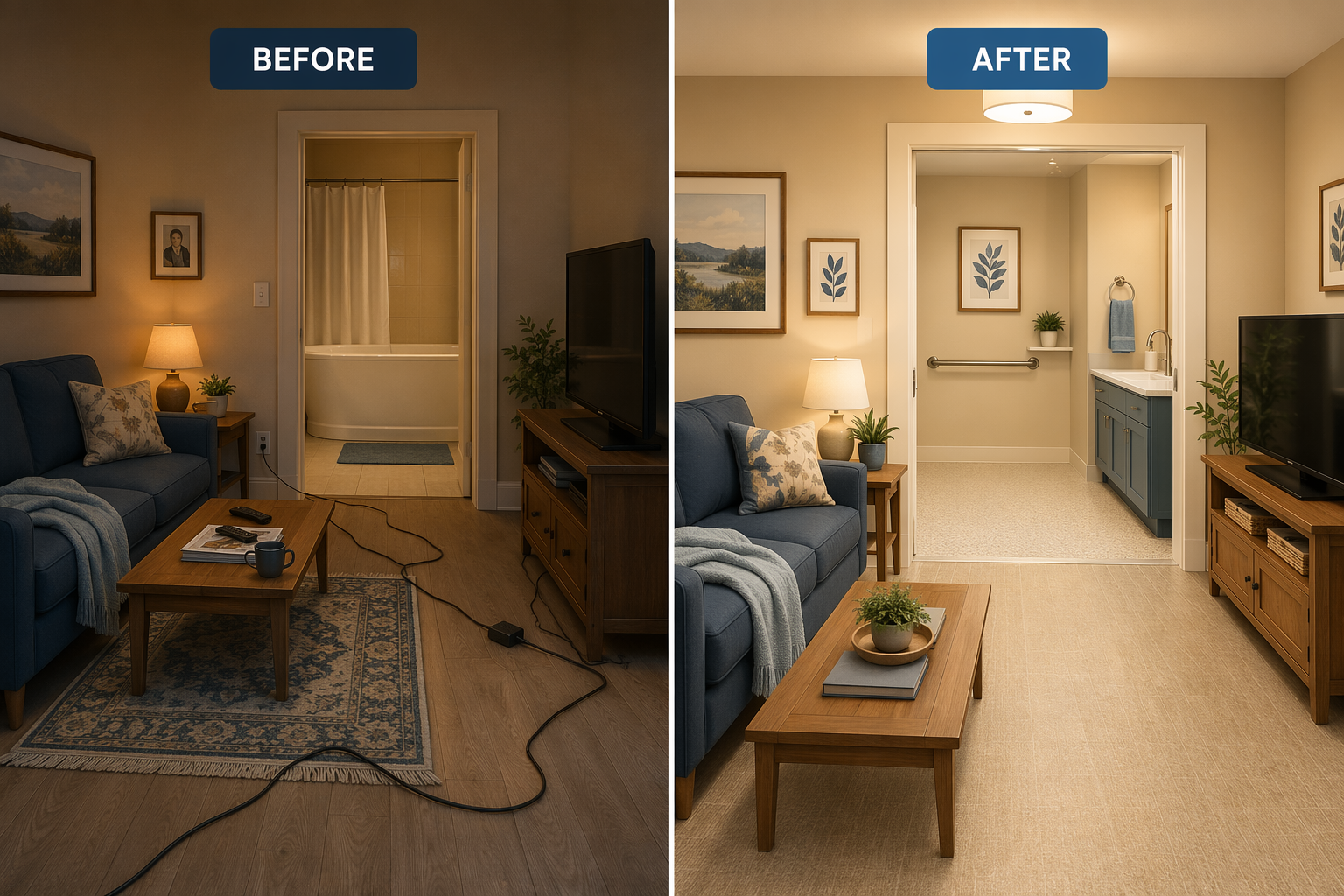
What Your Parent's Home Needs Now: A Caregiver's Decision Framework for Aging in Place Modifications
After a parent's fall or functional decline, the list of recommended home modifications can feel overwhelming. This article provides a four-factor decision framework to help adult children triage modifications by safety risk, frequency of use, ease of installation, and likelihood of future need — so you know what to do today, what to budget for this year, and what can wait.
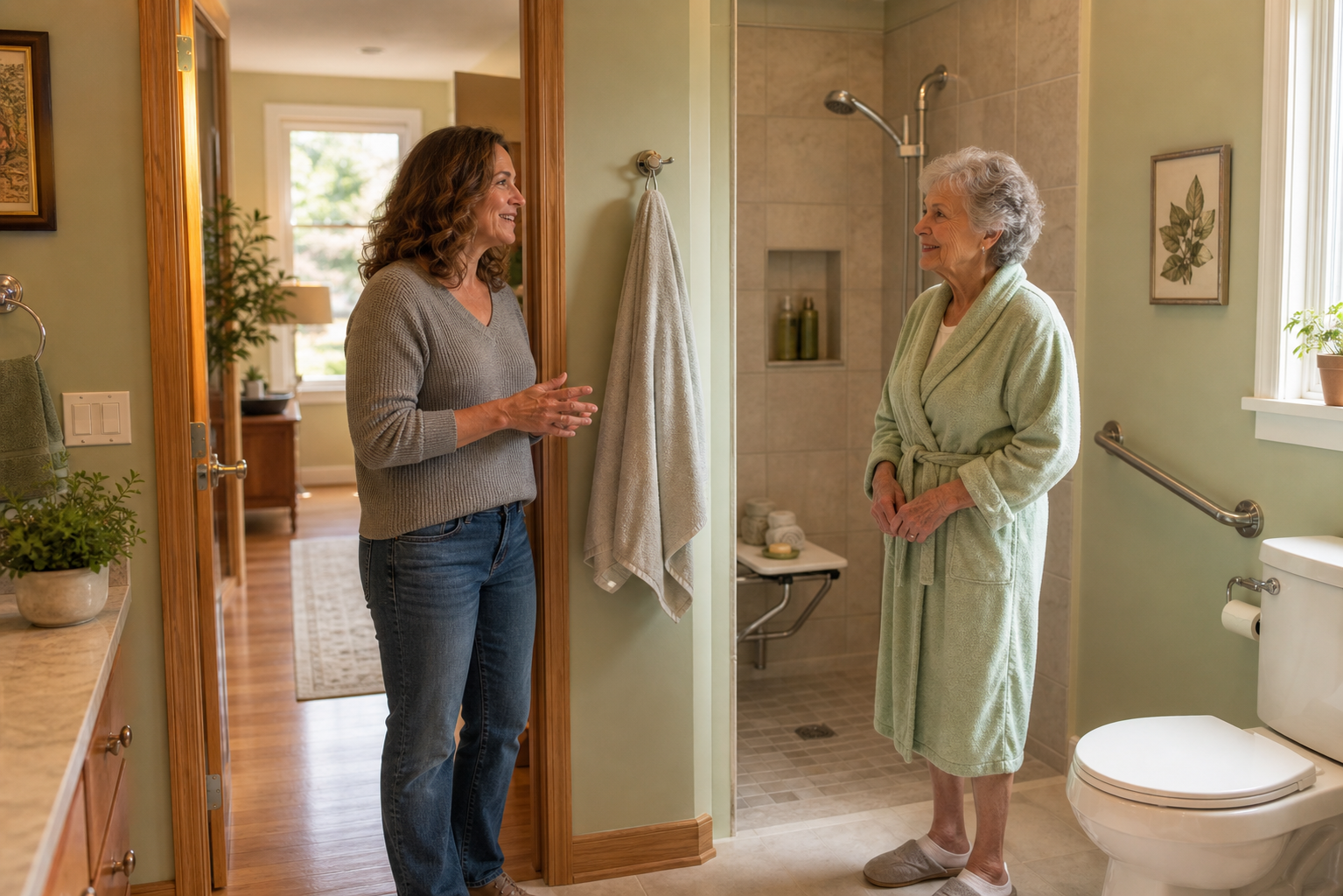
The Caregiver's Guide to Home Modifications for Aging in Place: What Actually Works, What It Costs, and What to Do First
This guide helps adult children caregivers navigate home modifications after a parent's fall or mobility decline. It organizes modifications into three urgency tiers — Immediate Safety, Independence Support, and Future-Proofing — with clear cost ranges, evidence-backed outcomes, and a step-by-step action plan.
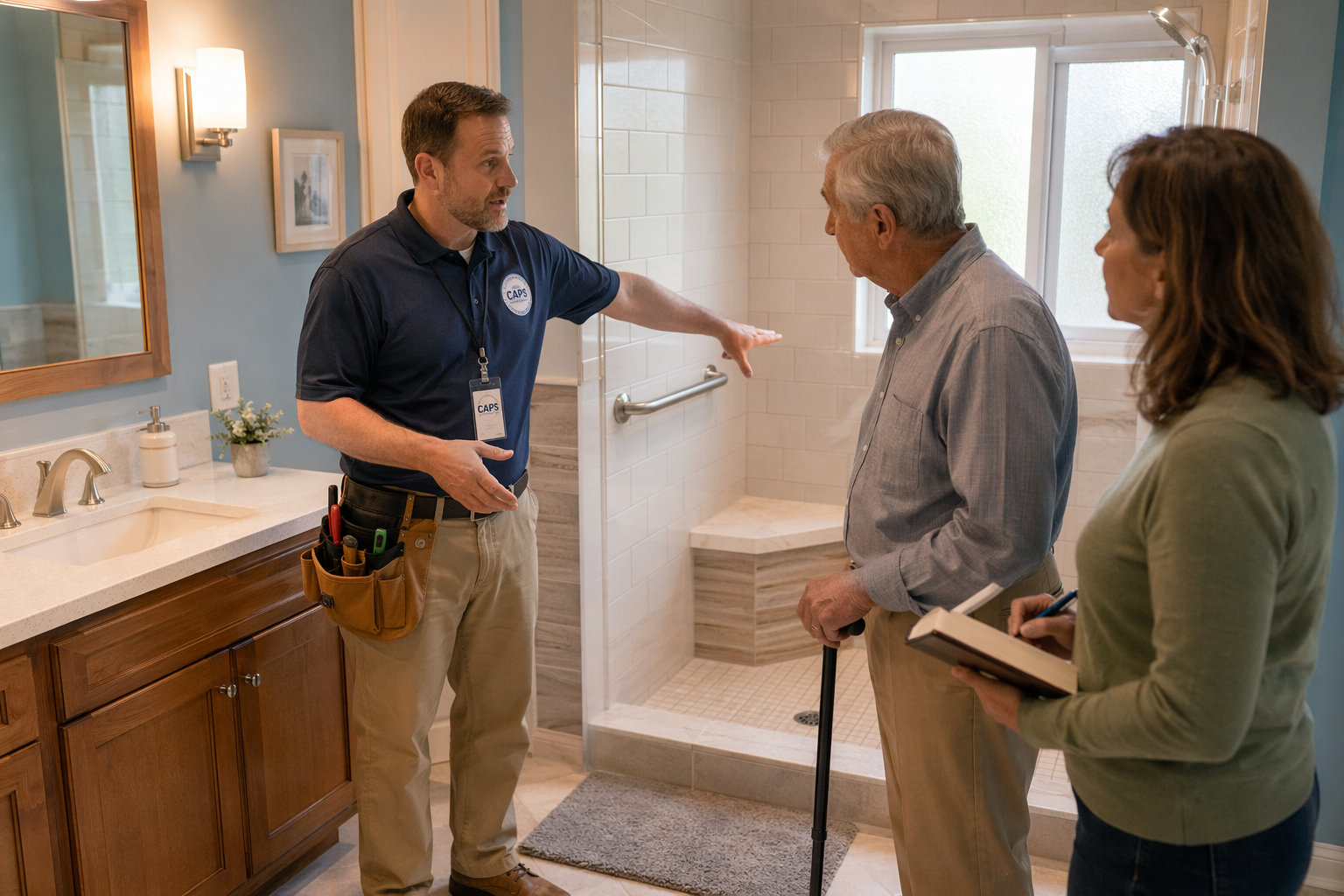
What Is a CAPS-Certified Aging-in-Place Specialist? A Complete Guide for Families
Only about 4% of U.S. homes are ready for aging in place. This guide explains what a CAPS-certified professional is, what they do, their training, typical costs, and how hiring one compares financially to moving to senior living — helping family caregivers and older adults make an informed decision.

The Evidence for Home Modifications: What Research Says About Preventing Falls, Reducing Caregiver Burden, and Keeping Older Adults Independent
This article presents the research-backed case for investing in home modifications, covering key studies on fall reduction, functional independence, cost-effectiveness, and caregiver burden — designed to help skeptical adult children make informed decisions about aging in place.
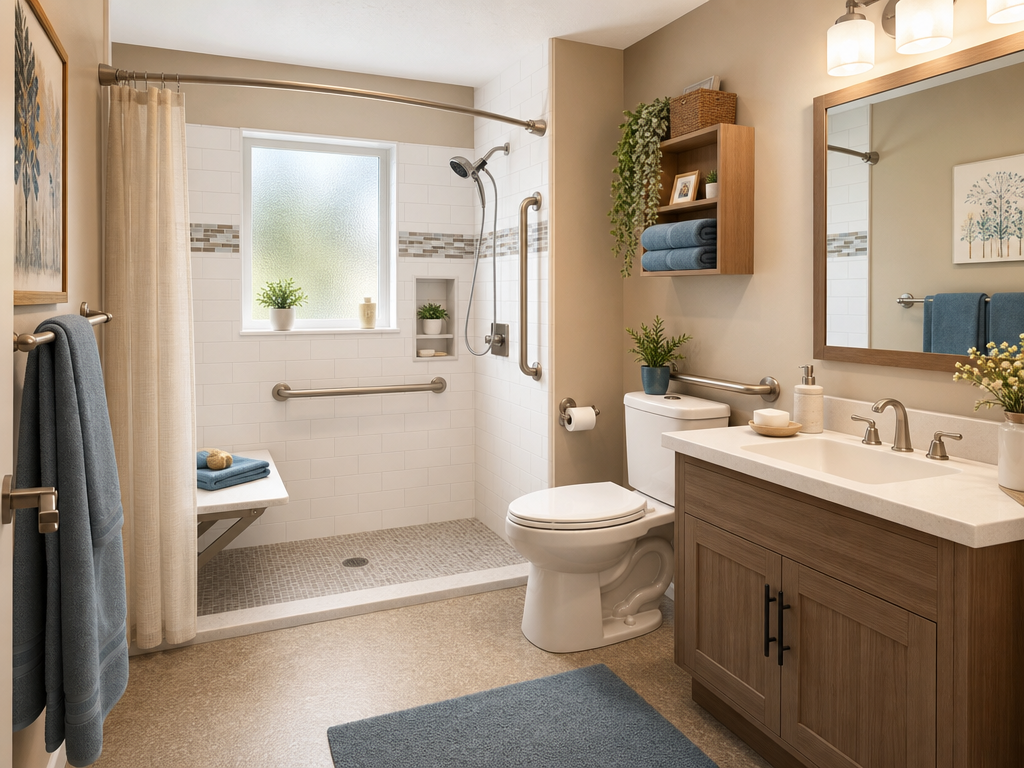
What Home Modifications Does Habitat for Humanity Provide for Aging in Place? A Room-by-Room Guide
A detailed, room-by-room breakdown of the specific home modifications Habitat for Humanity's Aging in Place program typically provides — from bathroom grab bars and walk-in showers to wheelchair ramps and lever door handles — so adult children caregivers can quickly assess whether their parent's needs are covered before applying.
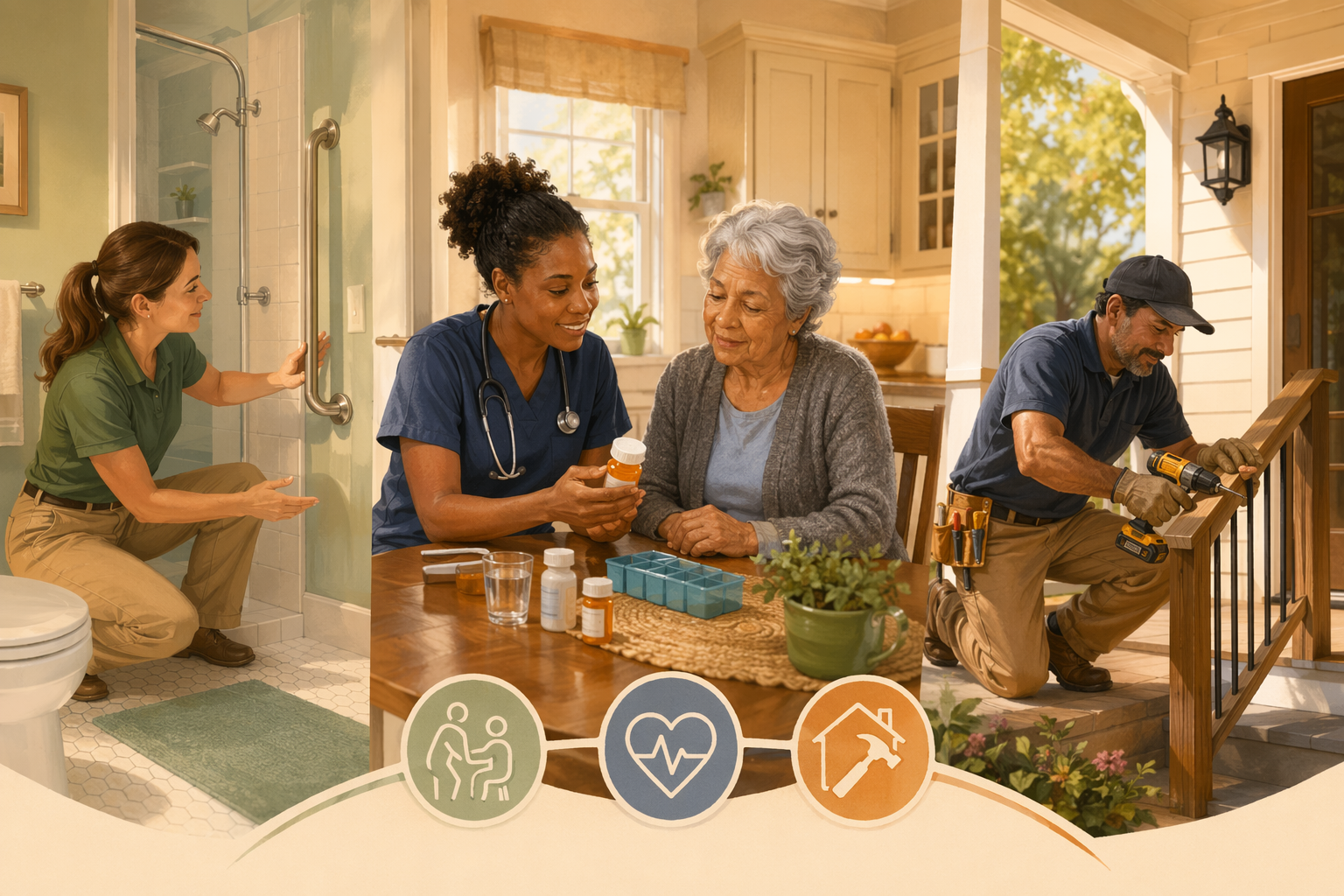
Habitat for Humanity's CAPABLE Program: How Home Repairs Plus Health Services Improve Aging in Place Outcomes
For family caregivers and older adults exploring evidence-based aging in place solutions, this article explains Habitat for Humanity's CAPABLE model — an integrated health-housing intervention combining occupational therapy, nursing, and home repairs that demonstrably reduces falls, improves daily function, and saves thousands in healthcare costs.
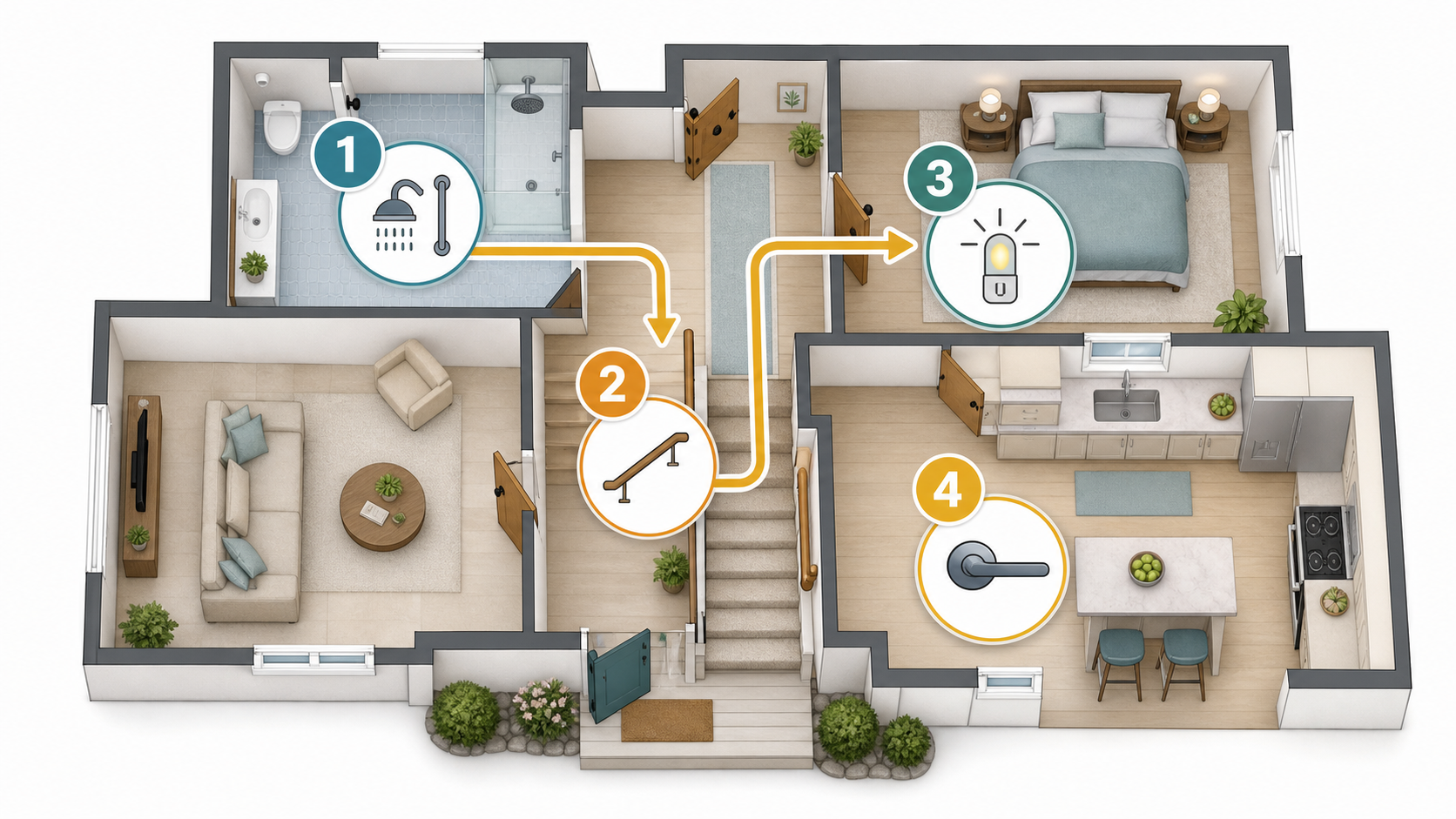
Home Modifications That Actually Prevent Falls: What the Research Says and What to Prioritize
Not all home modifications are equally effective. This evidence-based guide helps adult children prioritize the interventions that deliver the greatest fall-reduction return — from grab bars and lighting to stair handrails — so you can make informed decisions about your parent's safety.
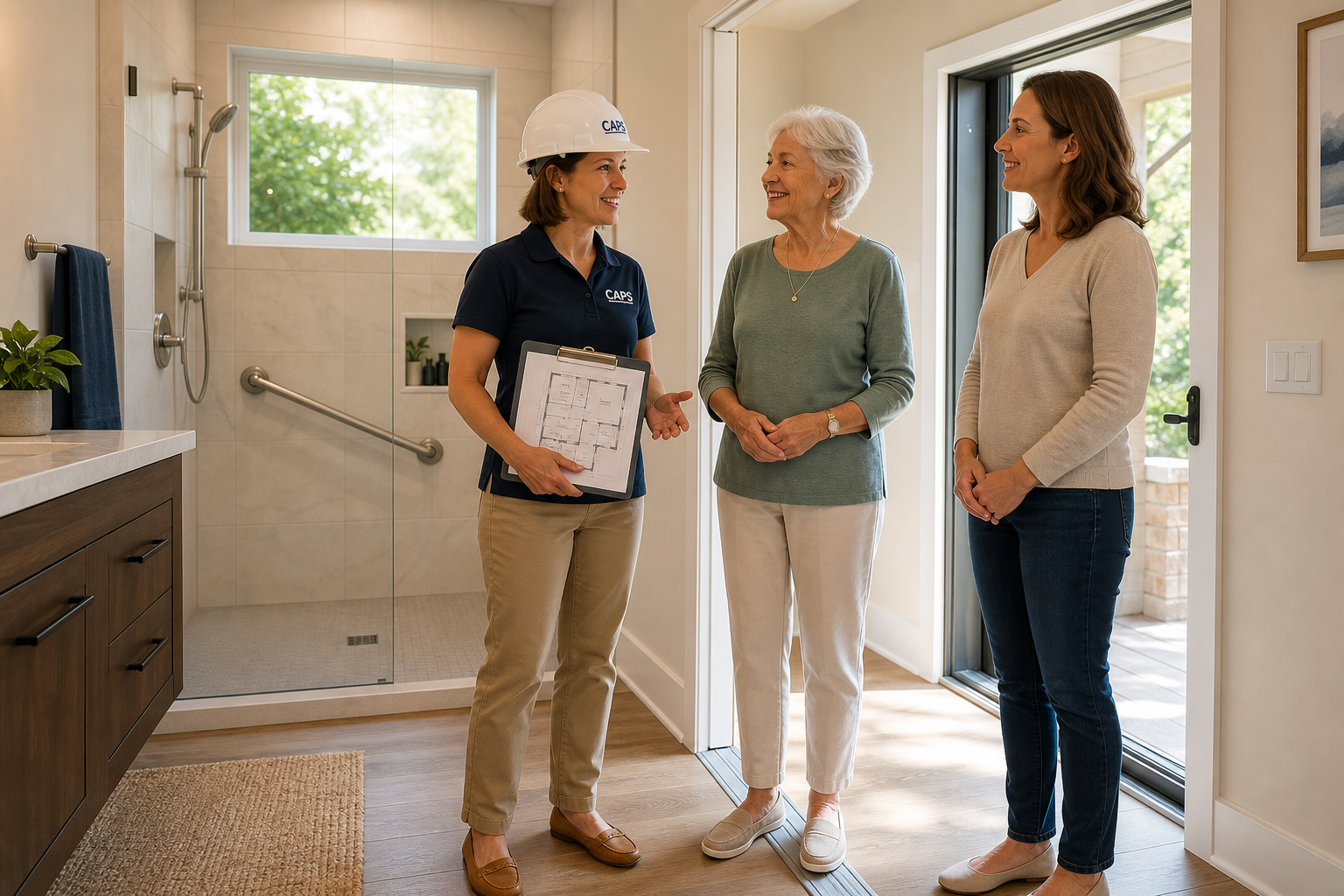
OT vs. CAPS First for Home Modifications: Why the Clinical Evaluation Should Come Before the Construction Plan
Many families don't know whether to call an occupational therapist or a CAPS-certified specialist first for home modifications. This guide explains why the OT evaluation should come first — assessing the person's functional abilities using standardized tools — and how a CAPS professional then translates those needs into a construction-ready plan. It also covers the growing trend of dual-credentialed OT/CAPS professionals who can bridge both worlds.

Stop Using Fans for Senior Bedroom Cooling — Try These Alternatives
Learn why electric fans can actually increase heat risk in seniors over 60, and discover safe, low-cost alternatives to cool a bedroom without a fan or central air conditioning.
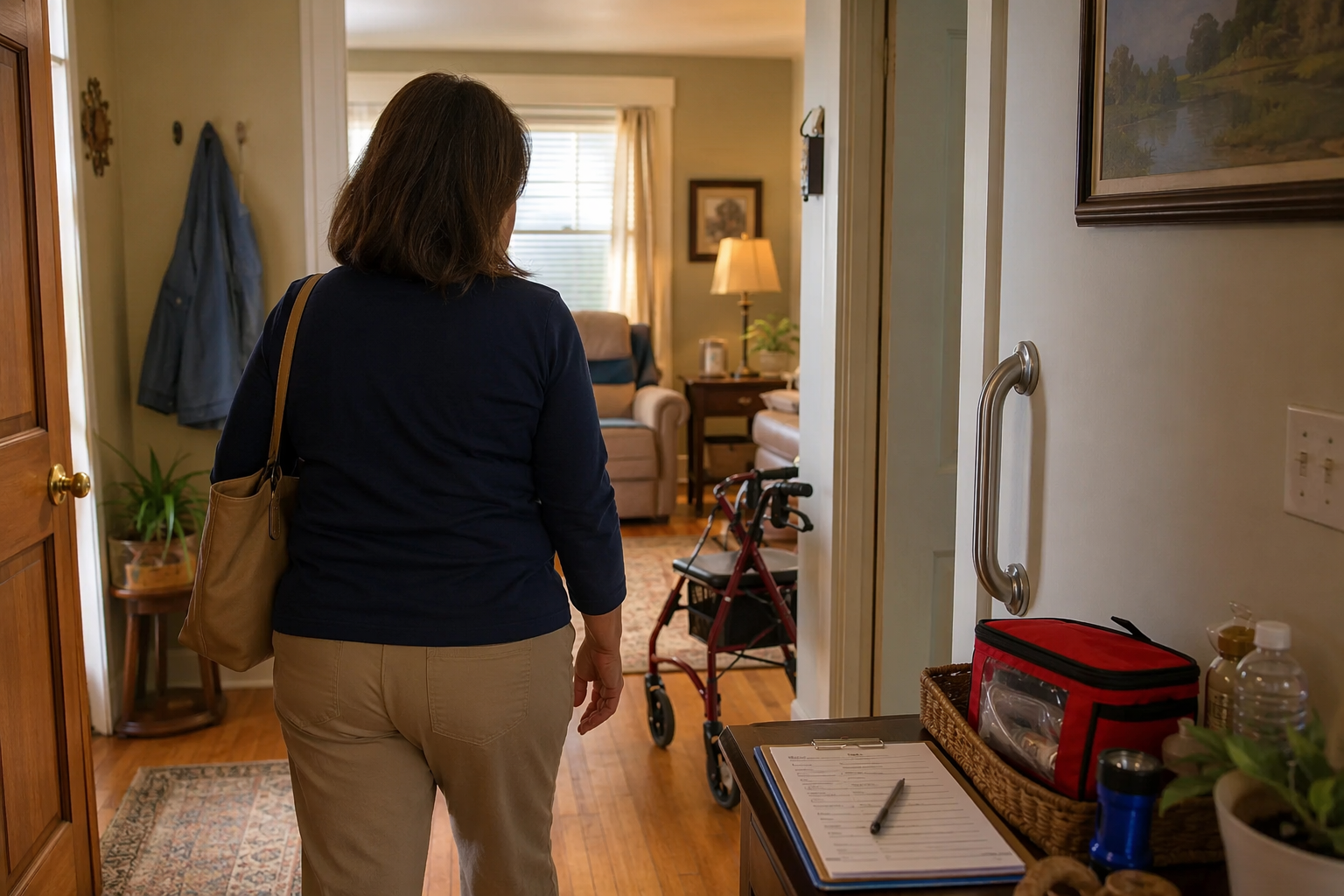
Flood Safety Checklist for Seniors Aging in Place
This room-by-room checklist helps caregivers prepare an older adult's home for a flood — covering medication supply, medical device backup, mobility access, and post-flood health risks specific to seniors.
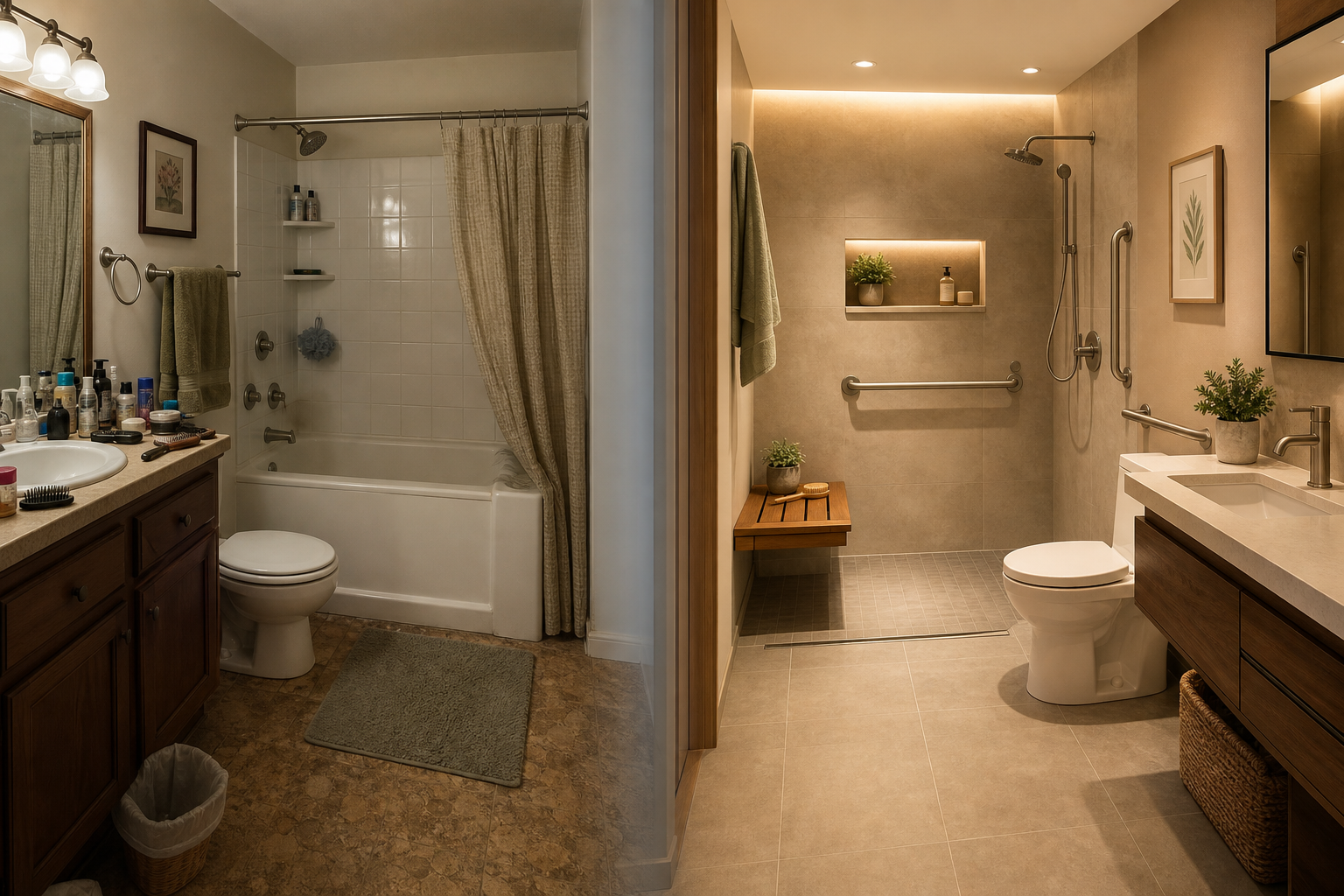
Walk-In Shower vs. Walk-In Tub for Elderly Parents: A Caregiver's Decision Guide
Choosing between a curbless walk-in shower and a walk-in tub is the most consequential decision in a senior's bathroom remodel. This guide provides an evidence-based comparison of safety, cost, accessibility, and hidden trade-offs to help family caregivers make the right choice for their parent's long-term independence.