
Plan ahead
Home Modifications
Product-neutral, room-by-room aging-in-place guidance (entryway, bathroom, bedroom, kitchen, stairs/hallways) modeled on the AARP HomeFit checklist structure, with dimensional specifics (grab bar height and clearance, lighting placement, threshold height) drawn from ADA and CAPS standards. Each room page states what to check, what to change, and when a CAPS-credentialed professional is warranted, without naming or ranking contractors or products. Cross-links to relevant Fall Prevention risk factors and Mobility equipment comparisons.
Entryway
This room's checklist is in progress. In the meantime, the matching Fall Prevention risk factor covers general guidance.
Bathroom
This room's checklist is in progress. In the meantime, the matching Fall Prevention risk factor covers general guidance.
Bedroom
This room's checklist is in progress. In the meantime, the matching Fall Prevention risk factor covers general guidance.
Kitchen
This room's checklist is in progress. In the meantime, the matching Fall Prevention risk factor covers general guidance.
Stairs And Hallways
This room's checklist is in progress. In the meantime, the matching Fall Prevention risk factor covers general guidance.
Other
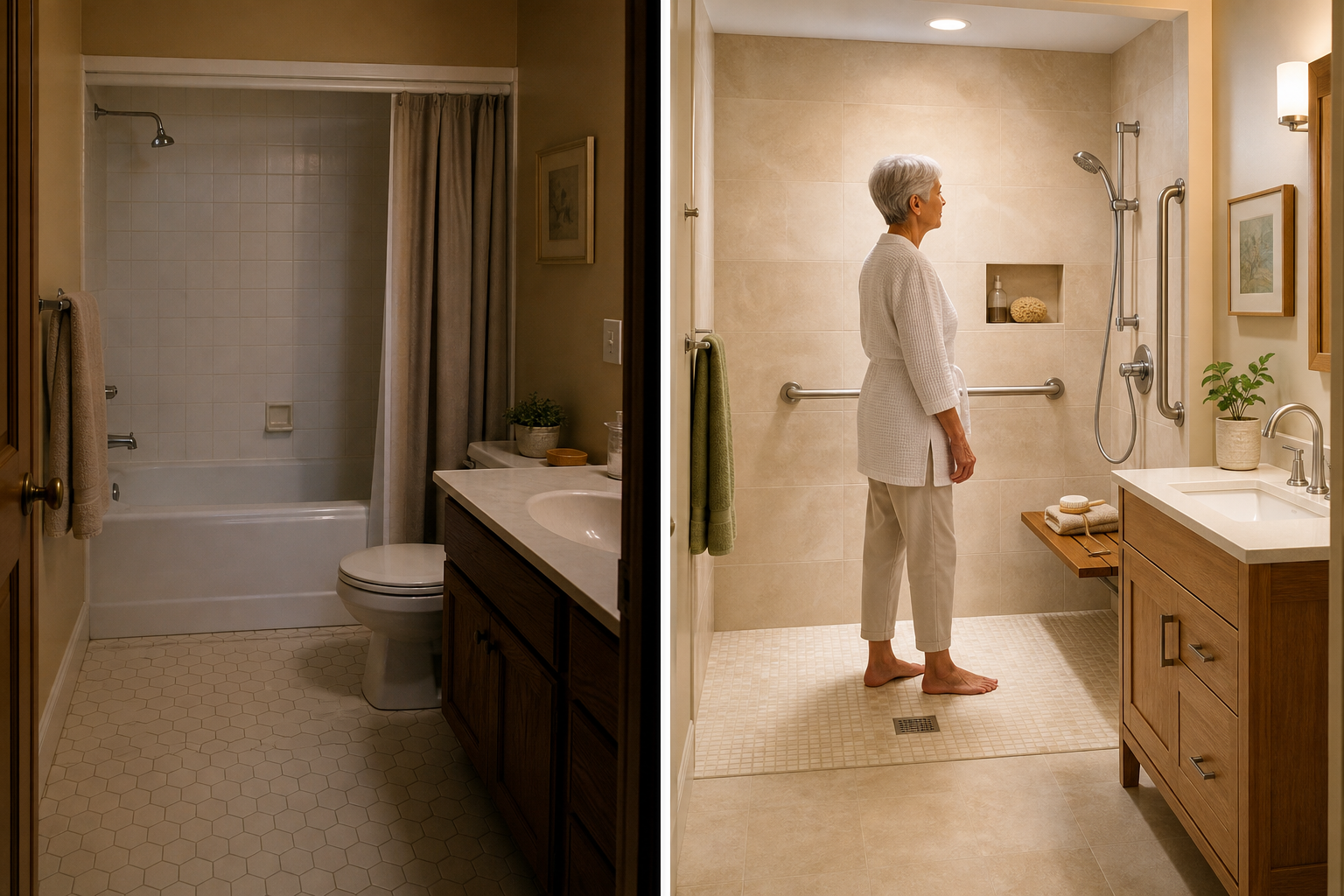
10-Year Aging in Place Remodel Roadmap: What to Do Now vs. Later
A phased, forward-looking plan for home modifications that prioritizes high-risk areas today while reserving larger structural changes for later stages as mobility needs evolve — helping families plan safely and affordably.
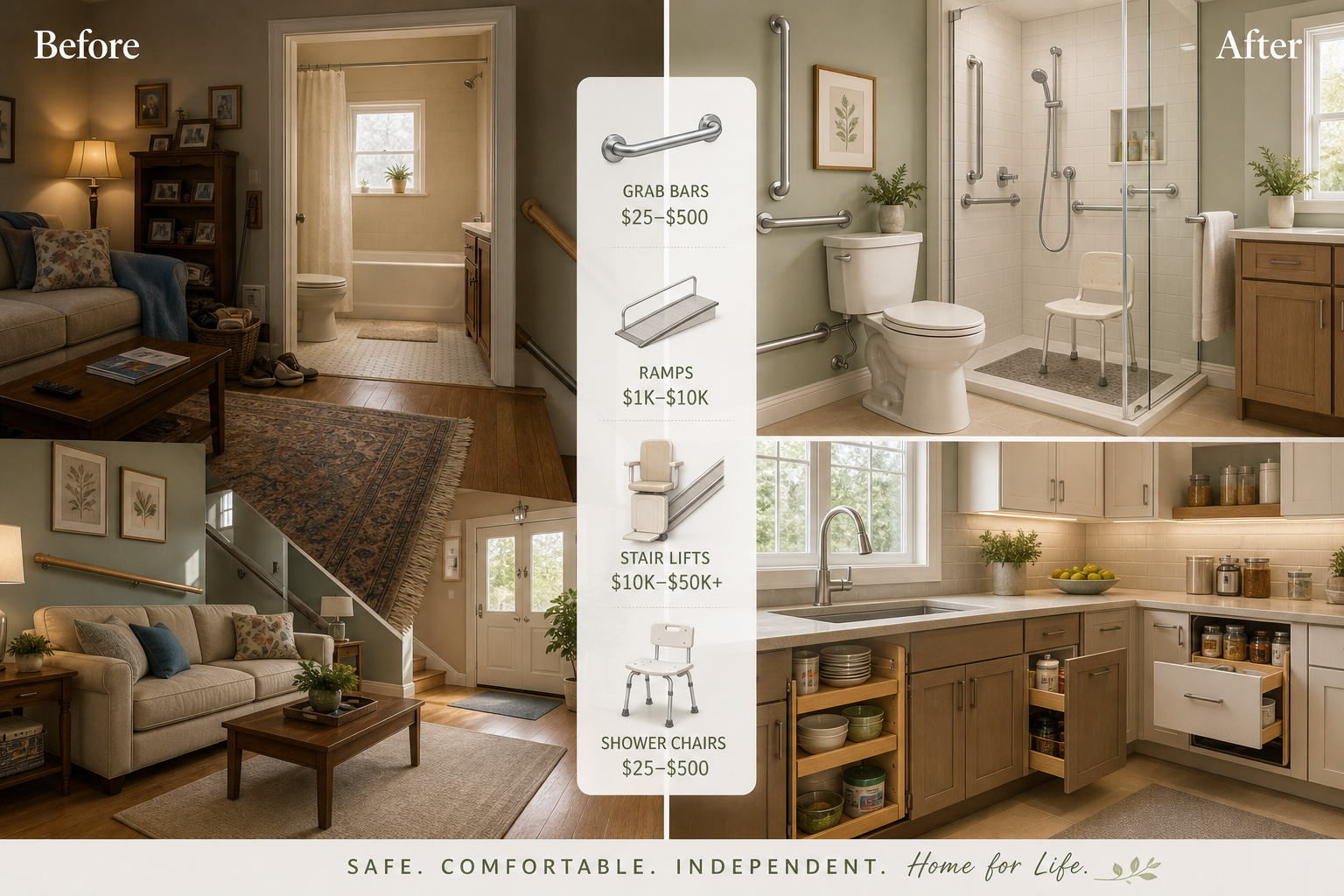
Aging in Place Home Modifications: A Complete Cost Breakdown and Planning Guide for Families
A practical, phased guide for adult children and older adults planning to age in place. Covers the full cost spectrum from $25 grab bars to $50,000+ renovations, with a step-by-step strategy to prioritize safety improvements on any budget.
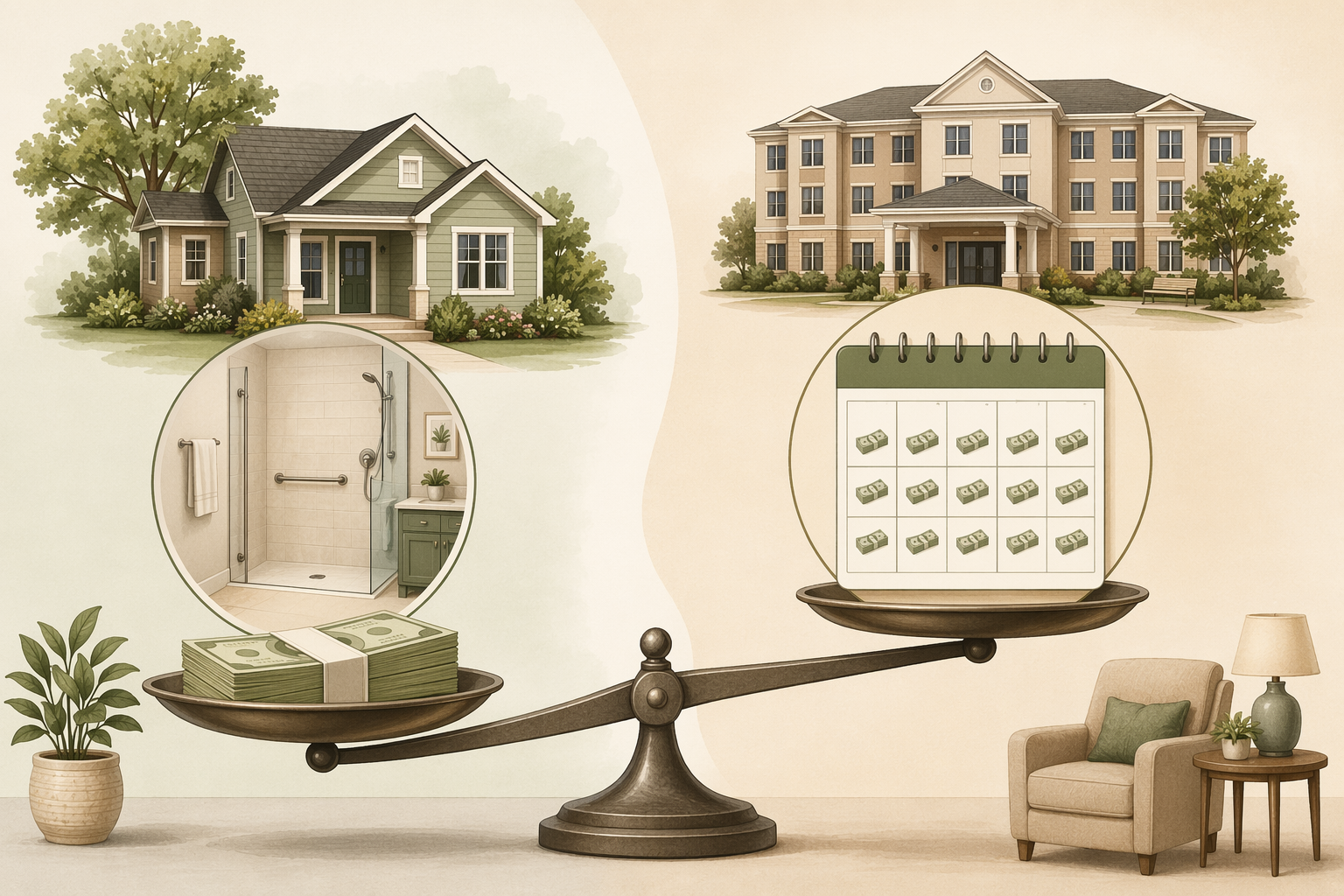
Does an Aging-in-Place Remodel Pay for Itself? The Financial Case for Modifying Your Home vs. Moving to Assisted Living
For adult children comparing costs, this guide breaks down the financial decision between remodeling a parent's home and moving to assisted living — with data on one-time remodel costs vs. recurring facility fees, resale ROI, avoided healthcare expenses, and funding sources that improve net cost.

Does an Aging-in-Place Remodel Pay Off? ROI Data, Cost Avoidance, and the Case for Investing Now
This article builds the financial case for aging-in-place remodeling, using ROI data, RCT-level fall reduction evidence, and healthcare cost avoidance to show how modifications preserve home equity, prevent expensive falls, and cost far less than assisted living.
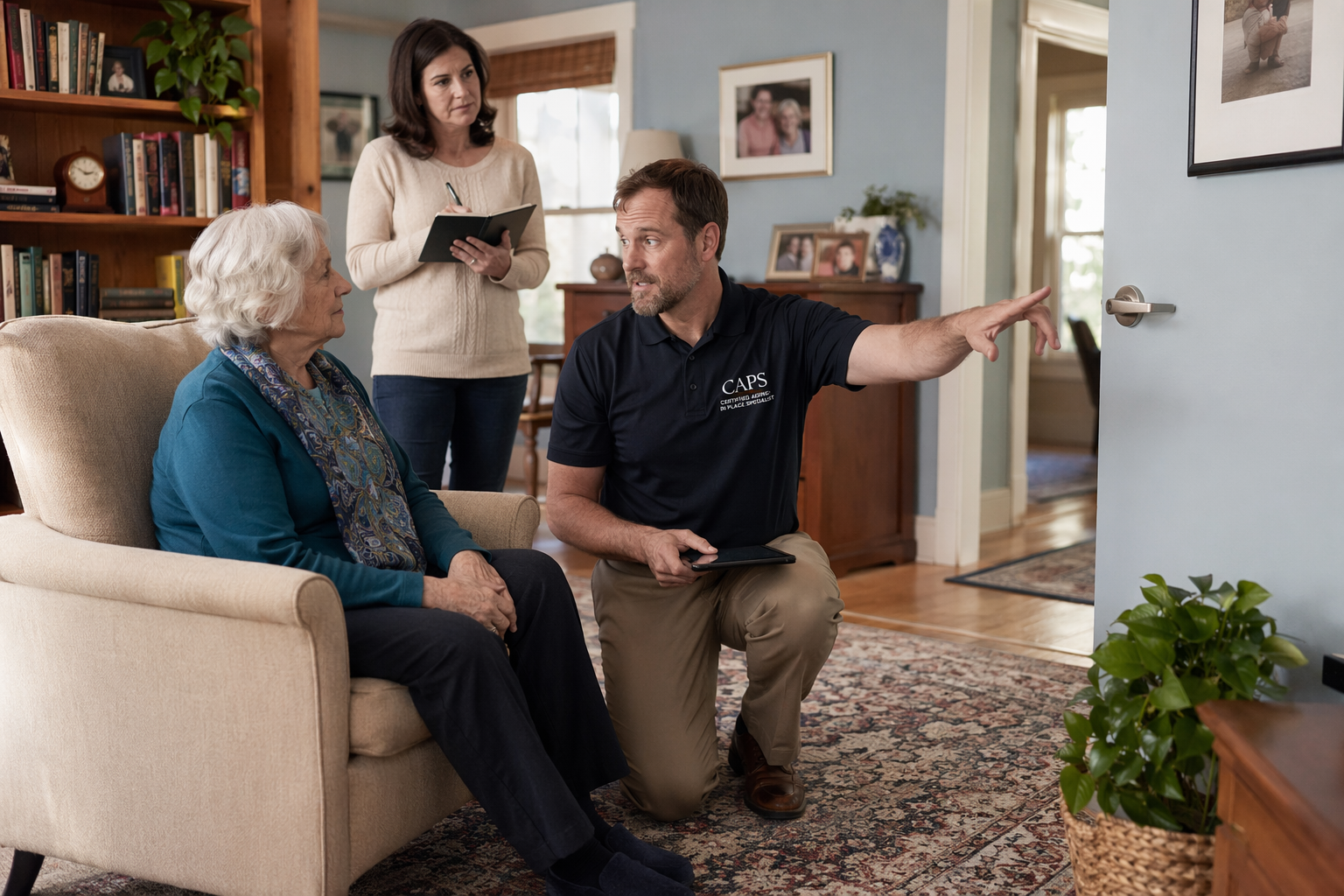
Aging-in-Place Specialist vs. General Contractor vs. Occupational Therapist: Who Should You Hire for Home Modifications?
Family caregivers are often confused by the range of professionals offering home safety services. This article provides a clear decision framework comparing CAPS-certified aging-in-place specialists, occupational therapists, and general contractors — explaining who does what, when to call each, and how the collaborative OT→CAPS→contractor model works to prevent costly mistakes.
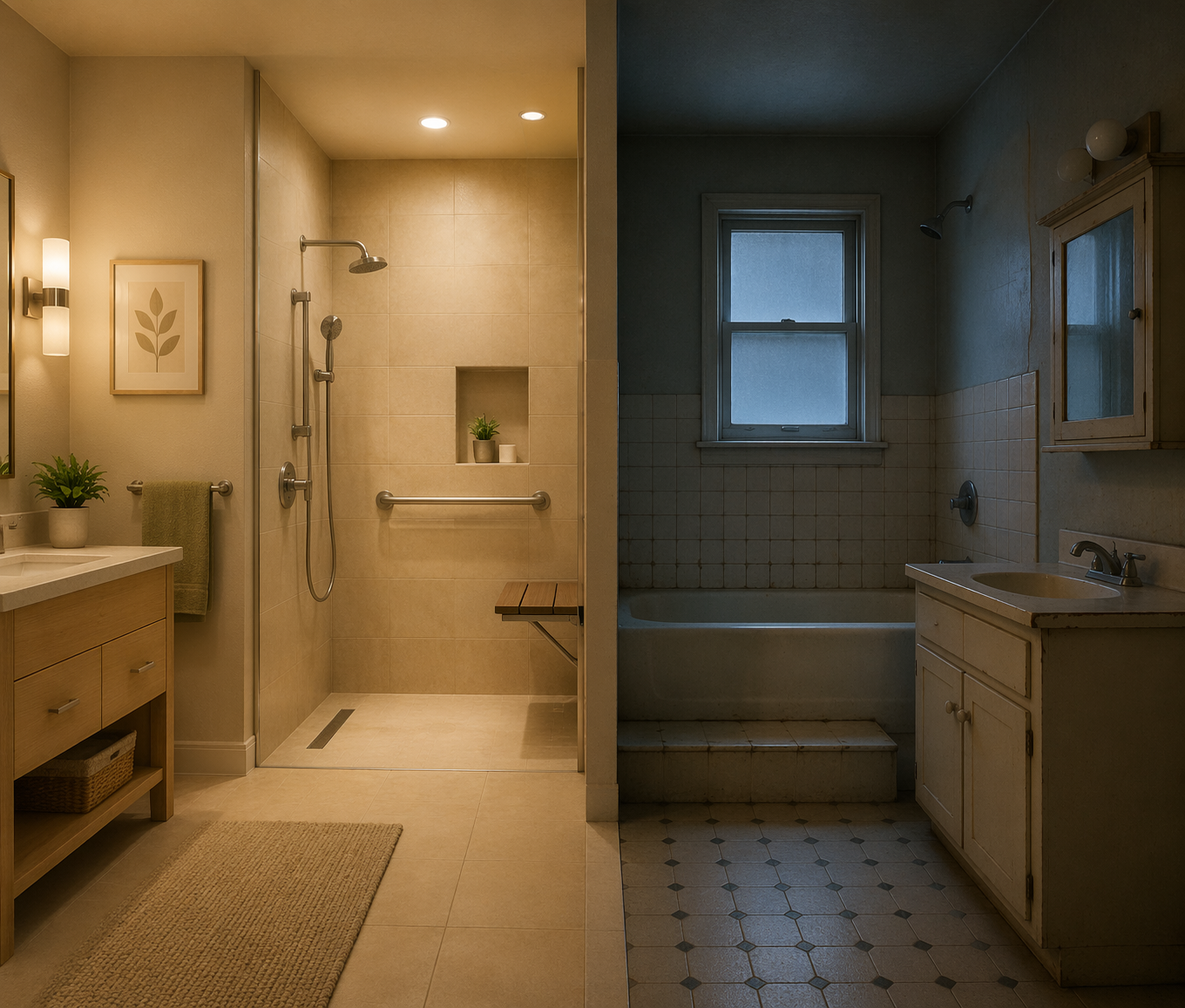
Hidden Disparities in Bathroom Safety: Why Non-Hispanic Black and Hispanic Seniors Are Far Less Likely to Have Bathroom Modifications — and What Caregivers Can Do
National research reveals that non-Hispanic Black older adults are 62% less likely and Hispanic older adults 36% less likely to have bathroom modifications than non-Hispanic Whites, even after controlling for income and health. This article explains the structural barriers behind these disparities and provides actionable steps for caregivers and community health workers to navigate funding, find culturally competent contractors, and advocate for equitable access.
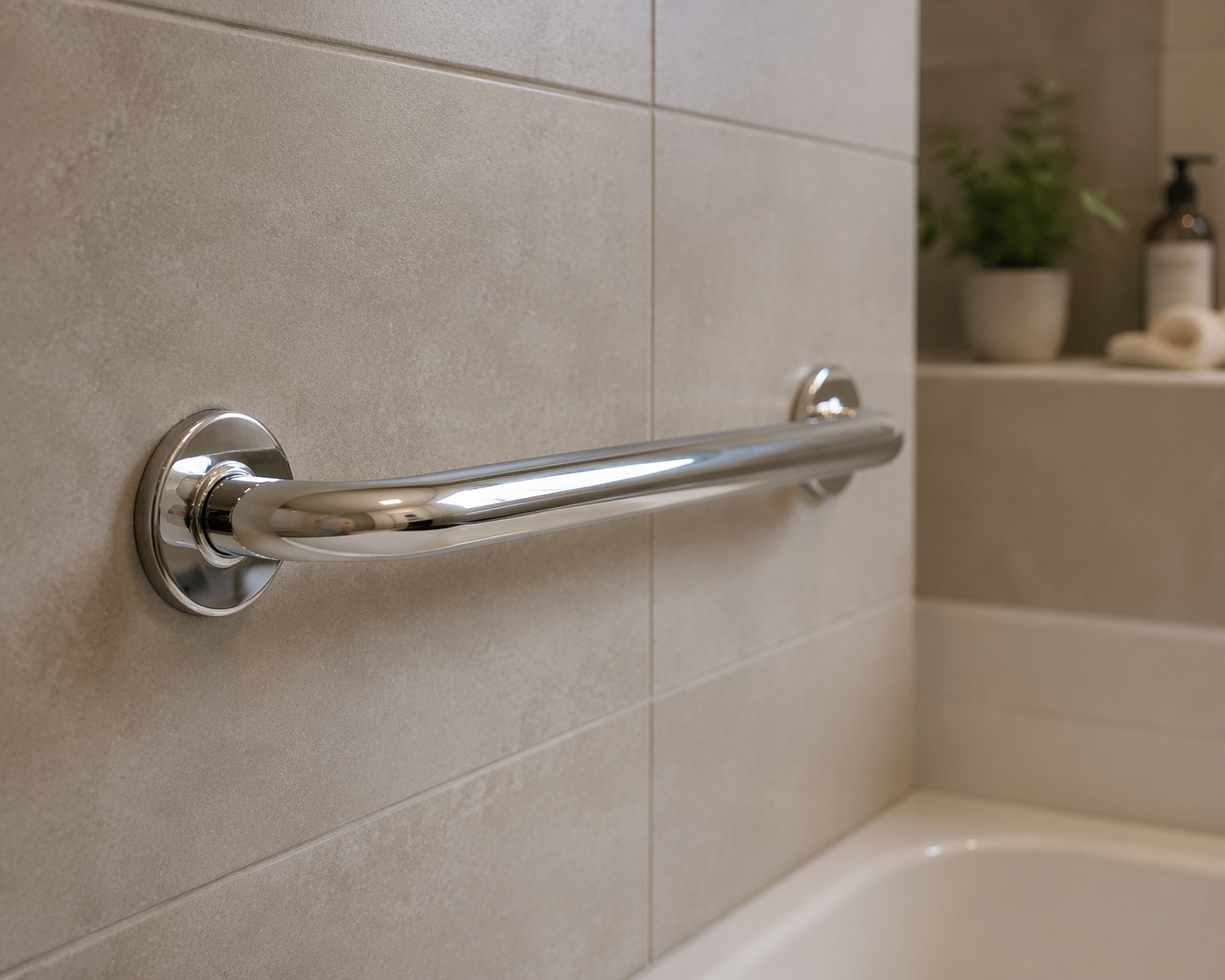
Bathroom Remodel for Elderly: An Evidence-Based Review of What Actually Reduces Falls
Not all bathroom safety features are equally effective. This evidence-based review for family caregivers examines which modifications — grab bars, non-slip flooring, curbless showers, and lighting — are clinically proven to reduce falls, supported by a 2025 systematic review and RCT data.
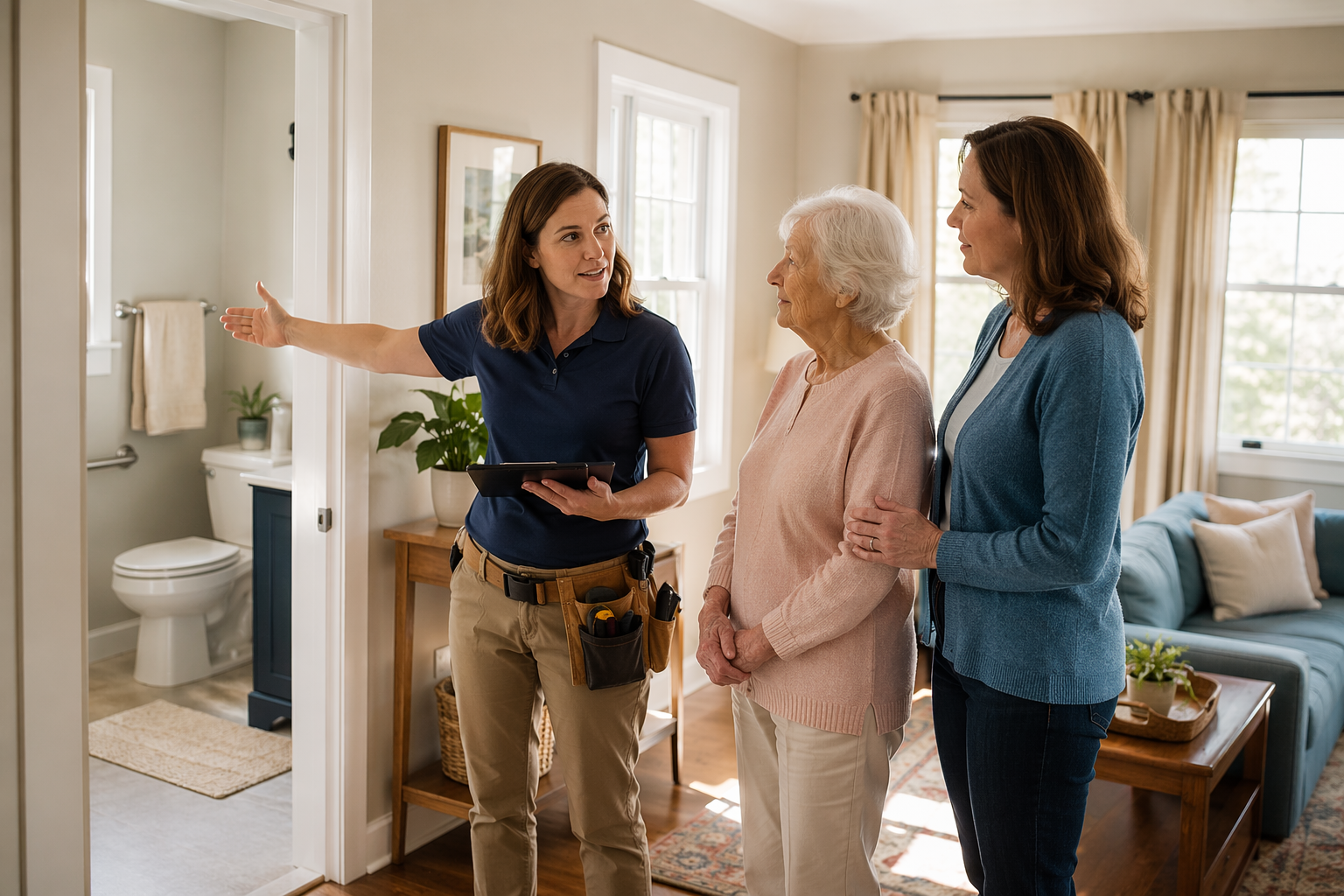
How Much Does a CAPS Specialist Cost? A Family Budget Guide for Home Modifications
A realistic cost framework for families hiring a Certified Aging in Place Specialist (CAPS), from the initial assessment fee through phased renovations, with itemized modification ranges, financing options, and a direct comparison to assisted living expenses.
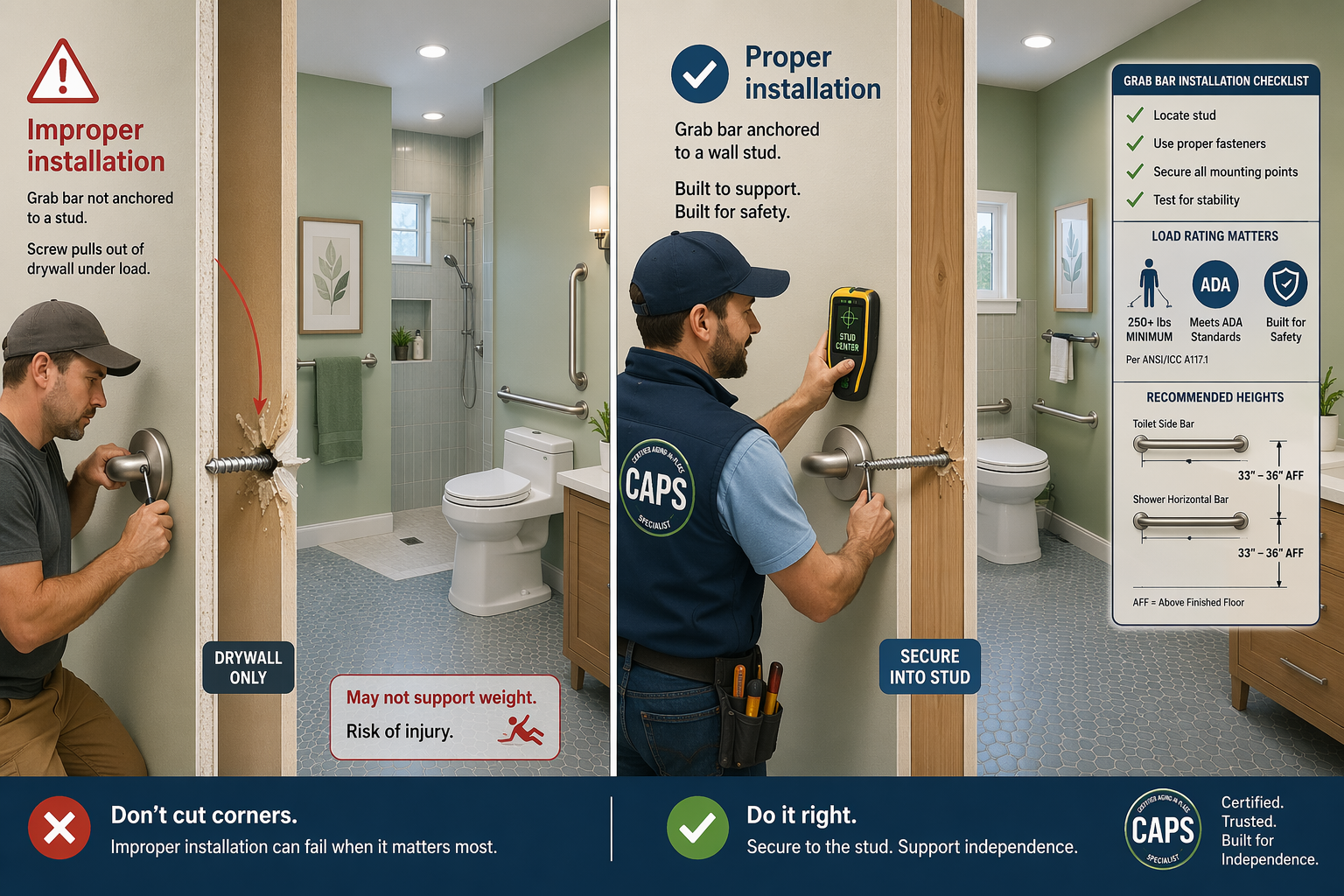
CAPS-Certified vs. General Contractor: Why the Right Credential Matters After a Parent’s Fall
After a parent’s fall, choosing between a CAPS-certified remodeler and a general contractor is a high-stakes decision. This article explains how CAPS training prevents costly rework and missed safety hazards — from improperly anchored grab bars to undersized doorways — that a standard contractor may overlook.
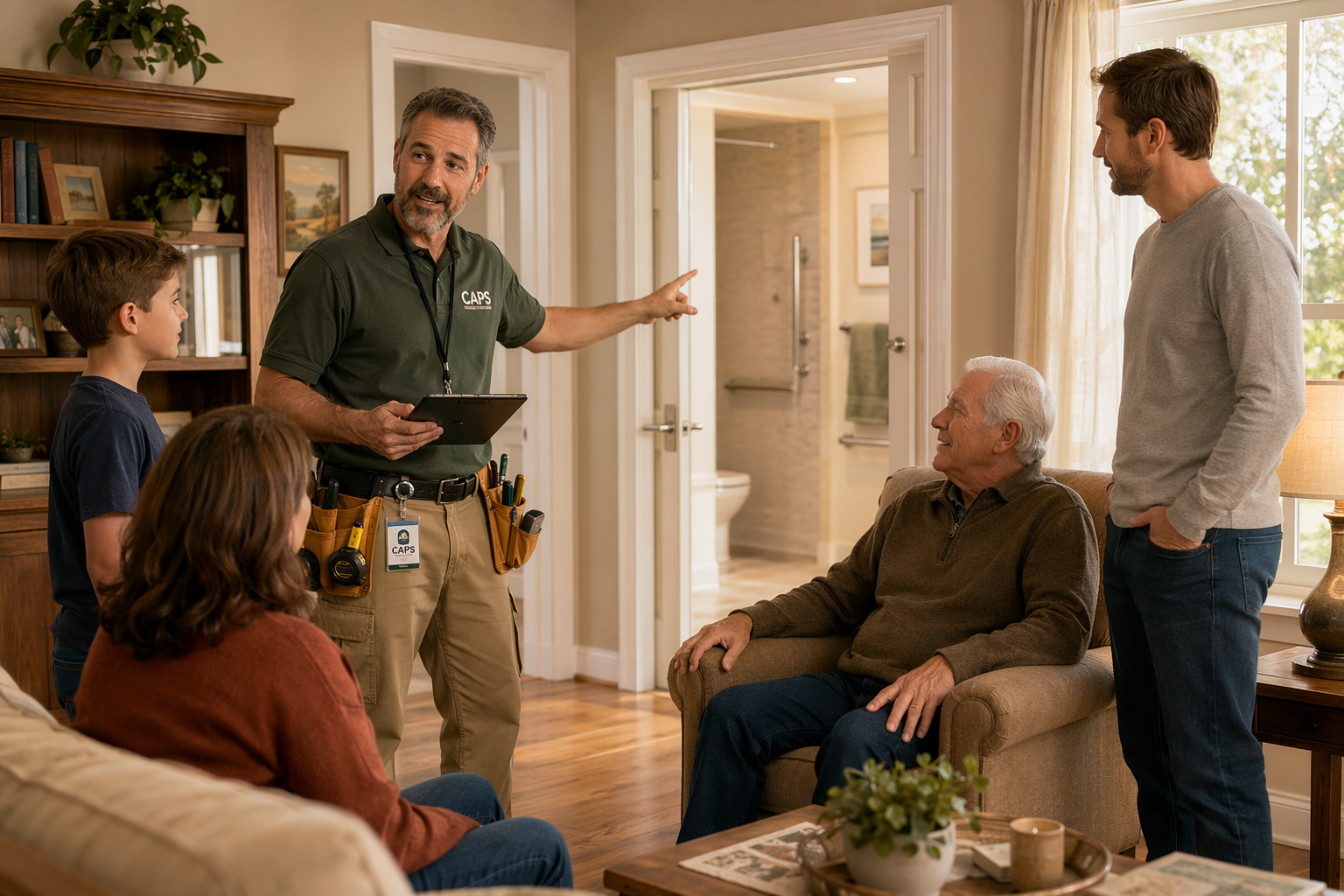
CAPS Contractor vs. Occupational Therapist vs. Universal Design Consultant: Which Professional Should Your Family Hire for Home Modifications?
A practical decision framework for family caregivers navigating the four distinct professional roles involved in home modifications — CAPS contractors, occupational therapists, universal design consultants, and general remodelers — with guidance on when to hire each and how to combine them for the best outcome.
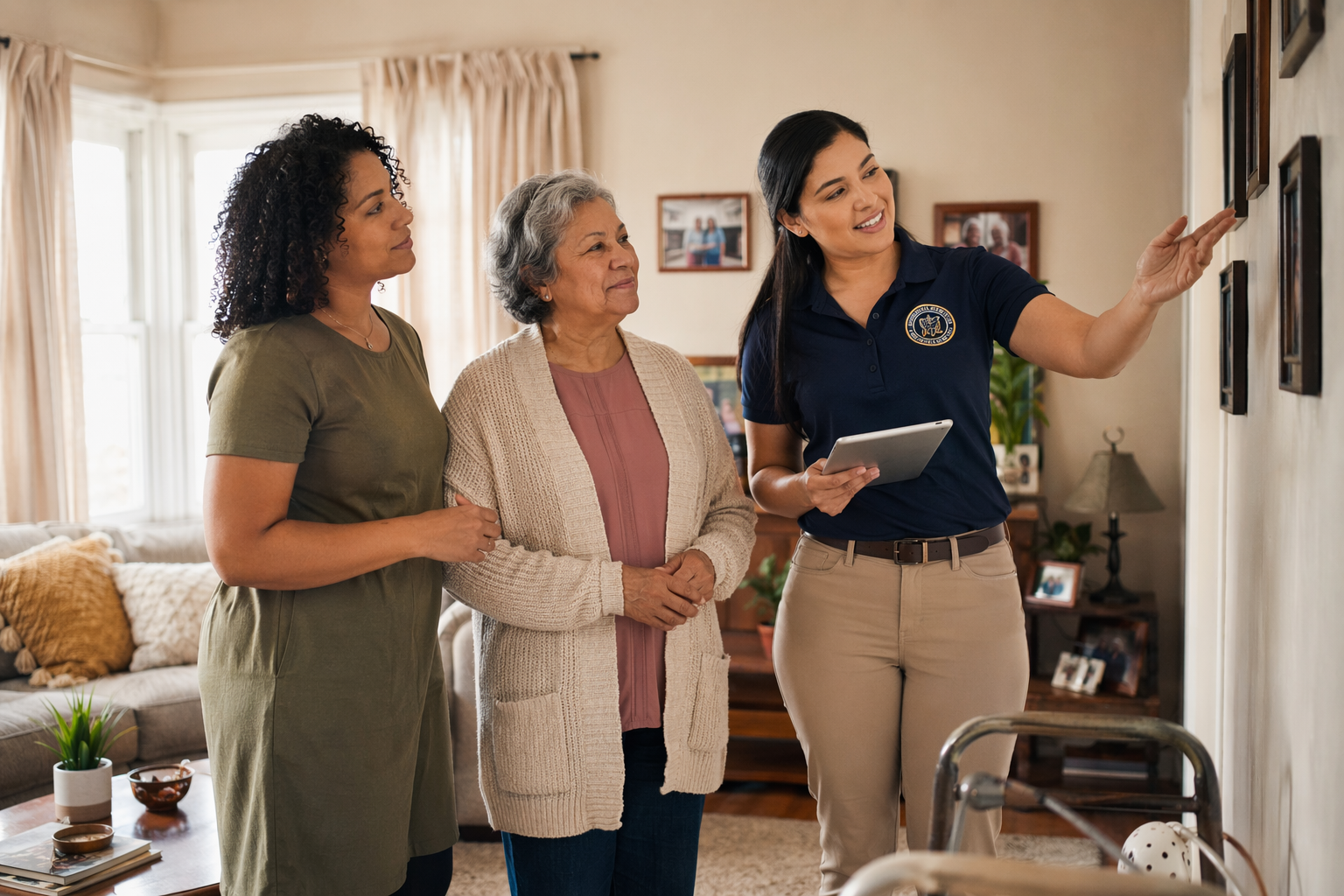
CAPS vs. OT vs. Contractor: Why the Best Aging-in-Place Projects Use All Three
If you're planning home modifications for an aging parent, you don't have to choose between a CAPS, an occupational therapist, or a general contractor. This guide explains the collaborative workflow — OT assessment, CAPS design, contractor execution, and follow-up evaluation — that research shows reduces falls by up to 39%.
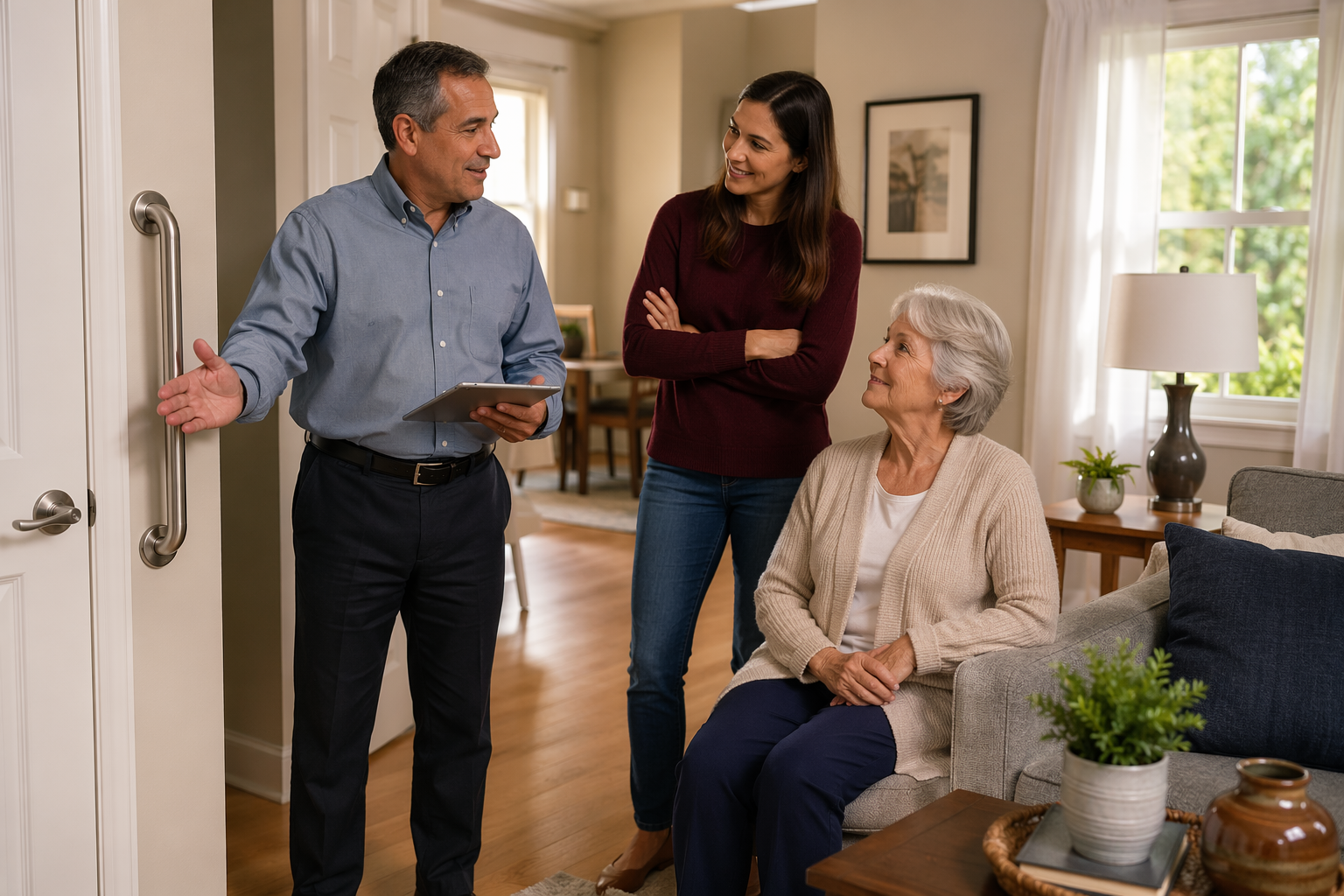
CAPS Specialist vs. Occupational Therapist: Who to Call First After a Fall?
After a parent's fall or hospital discharge, families often don't know whether to hire a CAPS-certified contractor or an occupational therapist. This guide explains the distinct roles of each professional, why the best outcomes come from using both together, and how to coordinate their work for a safer home.