
Flagship section
Fall Prevention
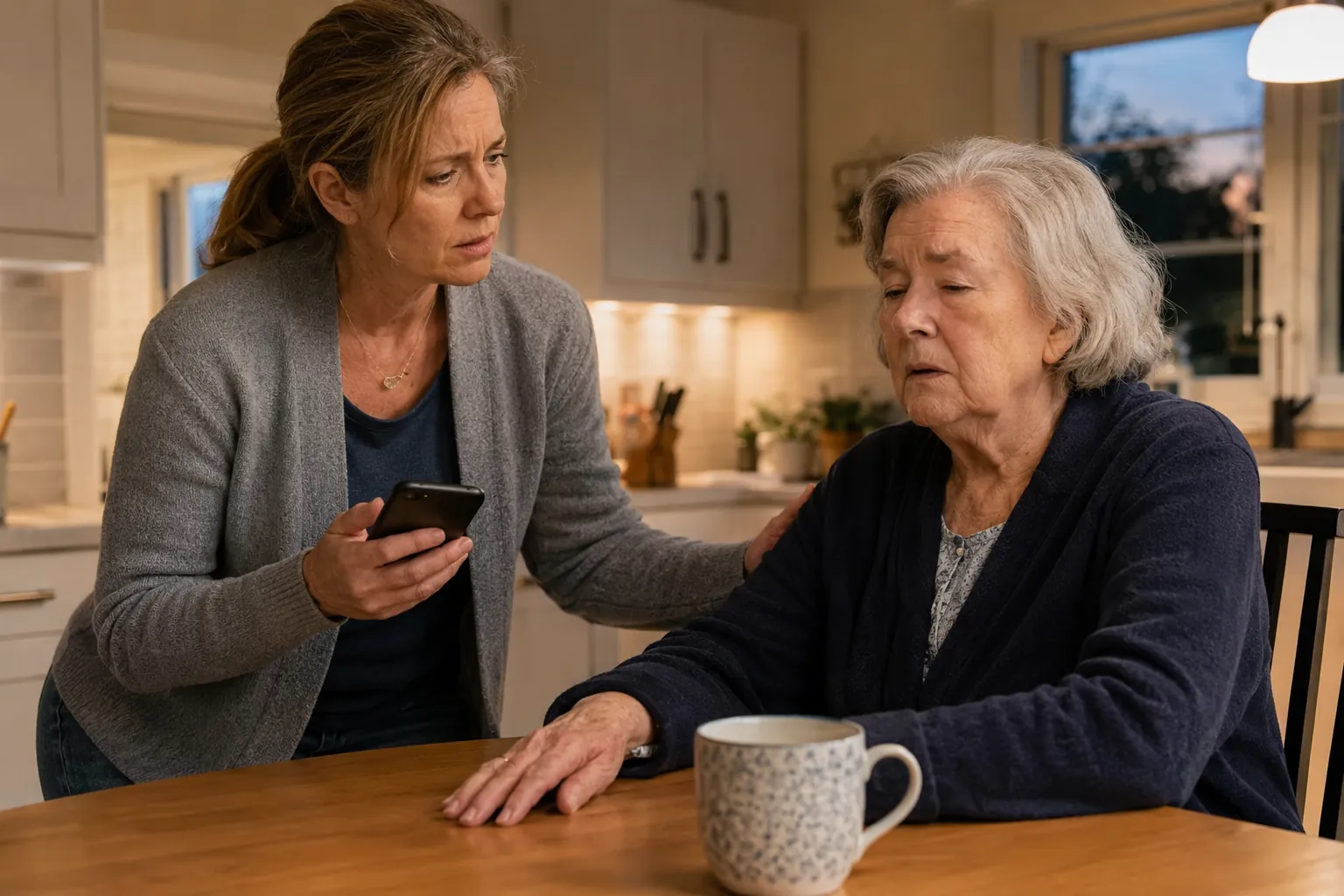
The flagship section, built directly on the CDC STEADI screen-assess-intervene model. Contains the fall risk screening quiz, the post-fall decision tree for active crisis situations (conscious/responsive checks, when to call 911 vs. urgent care, what to watch for in the following 72 hours), risk-factor explainers (medication side effects, vision, balance), and numbered warning-sign guides. This is the only group that owns crisis-path content; modification and mobility groups link back here rather than duplicating triage guidance.
Act now
 decision tree
Recognizing Botulism vs Stroke Symptoms After the Coffee Recall
After the July 2026 cold-brew coffee recall, sudden weakness or slurred speech could signal a stroke or botulism. This guide compares onset timing, progression patterns, and other key clues to help caregivers decide what to tell 911.
Plan ahead
other
 —
—In-Home Senior Care Cost After a Fall: What Families Actually Pay for Recovery Care
After a parent's fall, the cost of home care can spike dramatically — often far beyond what families expect. This guide breaks down the real cost drivers (all-day supervision, overnight monitoring, two-person transfers), provides typical post-fall scenarios with budget ranges, and helps you compare home care against Medicare home health, assisted living, and rehab facilities.
 —
—Why Seniors Resist Stair Safety Changes and How to Help Them Accept It
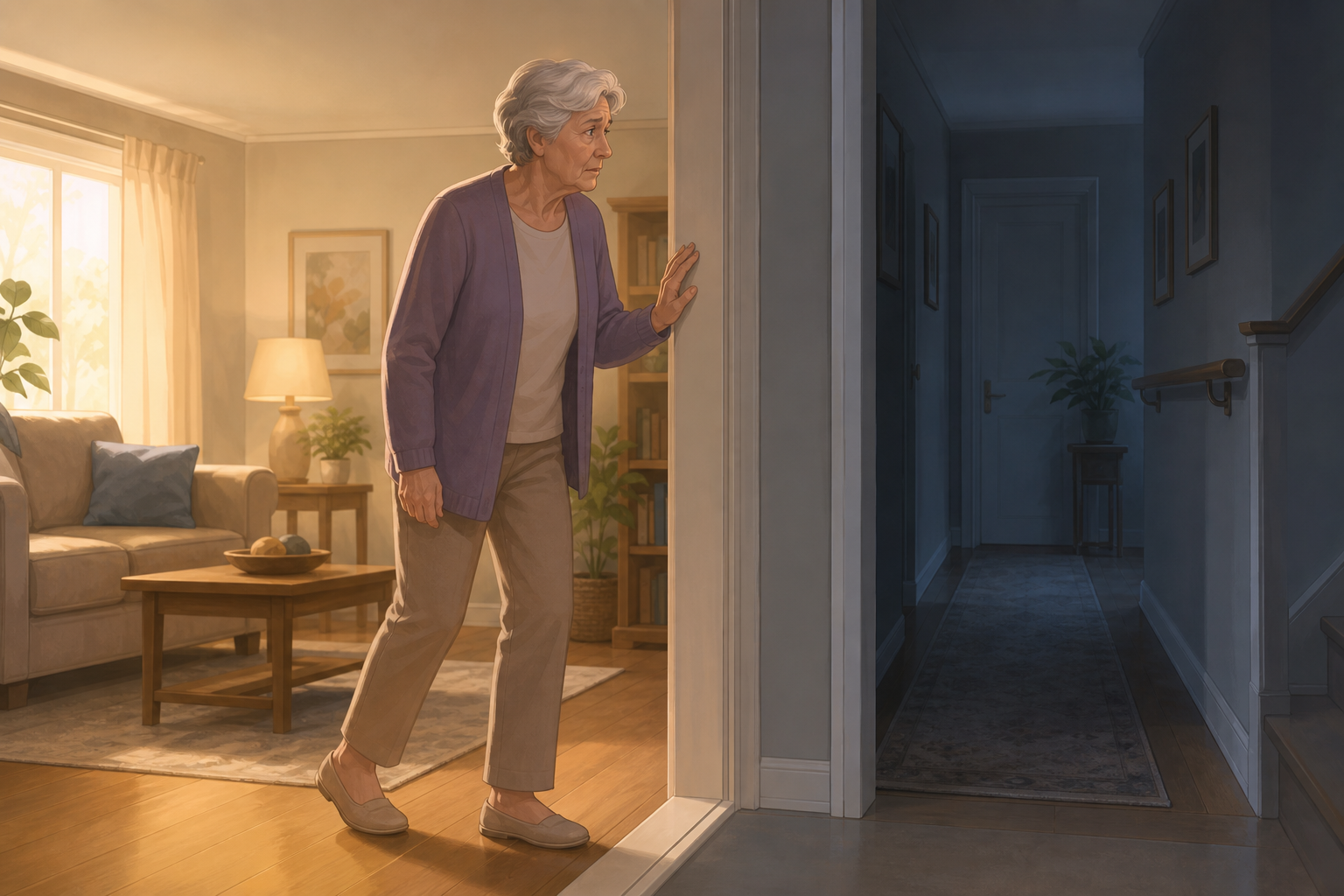
Nearly 9 in 10 older adults agree stair falls are a serious concern, yet many resist handrails, non-slip treads, or stair lifts. This guide explains the psychological barriers—stigma, loss of control, denial of personal risk—and offers evidence-based conversation strategies to help caregivers and families get safety changes in place.
 —
—The Hidden Aftermath of a Fall: How Fear Creates a Downward Spiral and What Families Can Do
For many older adults, the psychological impact of a fall — fear, anxiety, and withdrawal — is more disabling than the physical injury itself. This guide helps adult children and spousal caregivers recognize post-fall anxiety syndrome, understand the dangerous cycle it triggers, and find effective treatments including CBT, physical therapy, and Medicare-covered mental health services.
 —
—Room-by-Room Fall Prevention Checklist for the Senior Home: A CDC STEADI-Aligned Walkthrough
If your parent has fallen at home, this room-by-room checklist helps you identify and fix hazards immediately. Based on the CDC STEADI 'Check for Safety' framework, it covers stairs, bathrooms, bedrooms, kitchens, living areas, and outdoors — with quick fixes under $20 and guidance on when to call an occupational therapist.
 —
—Why Salmonella Is More Dangerous for Seniors and When to Act
Nearly half of all older adults with lab-confirmed salmonella are hospitalized. This article explains why aging changes the body's response to the infection, what health and medication factors raise the risk, and when to see a doctor.
 —
—Fall Prevention at Home: How to Build a Complete Aging-in-Place Safety System Using CDC STEADI, Home Modifications, and Community Services
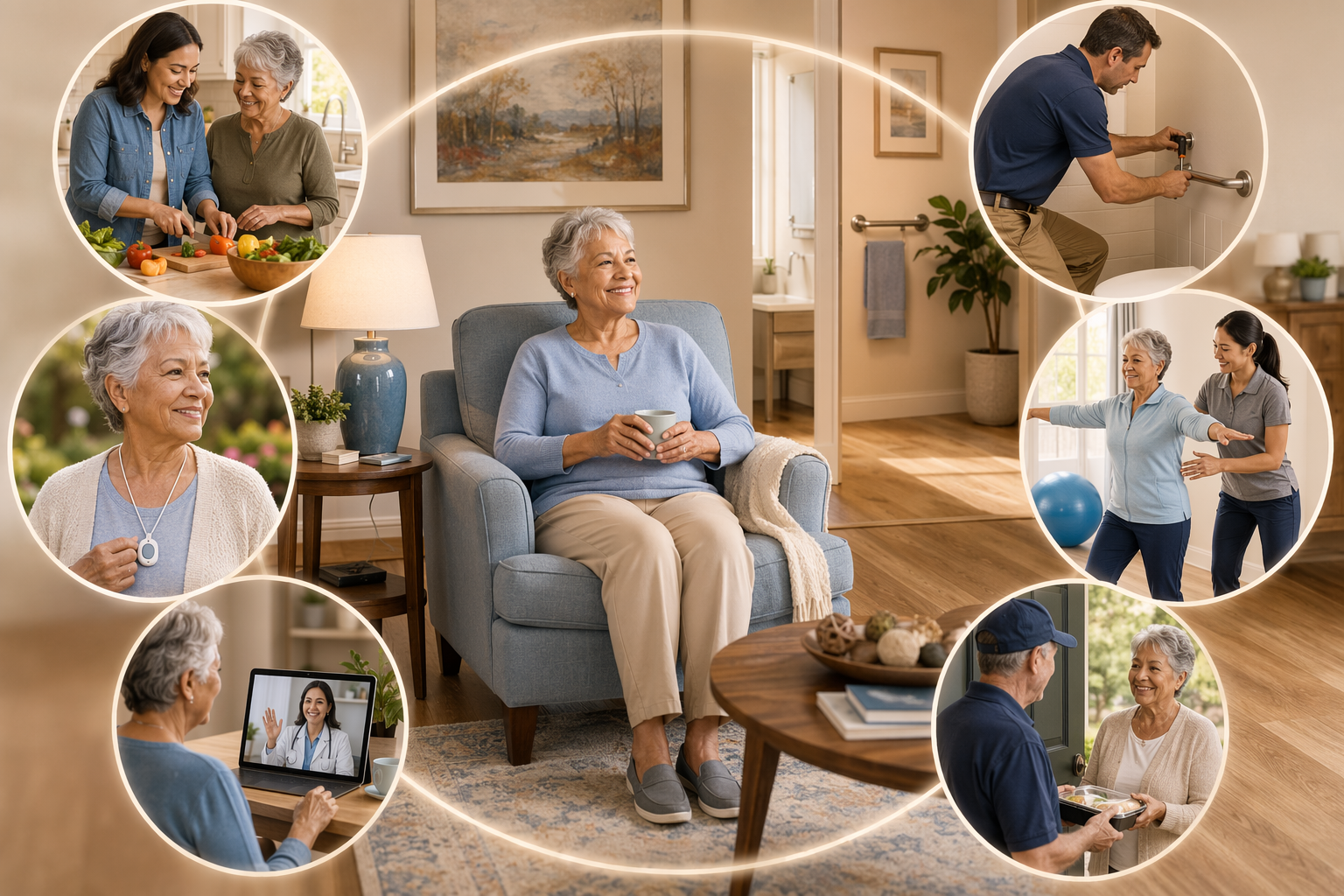
This guide helps adult children whose parent has fallen at home build a coordinated, three-layer fall prevention system. It covers the CDC STEADI medical assessment, prioritized home modifications with cost ranges, and community-based monitoring and services — all organized into an actionable plan for family caregivers.
 —
—What Senior Primary Care Should Cover: A Fall-Prevention-Focused Guide for Family Caregivers
This guide helps adult children caregivers understand what their parent's primary care provider should be doing for fall prevention — from STEADI screening and medication review to care coordination — and what to do when the system falls short.
Assess
 warning-sign
Is It Time to Step In? 5 Signals of Declining Capacity
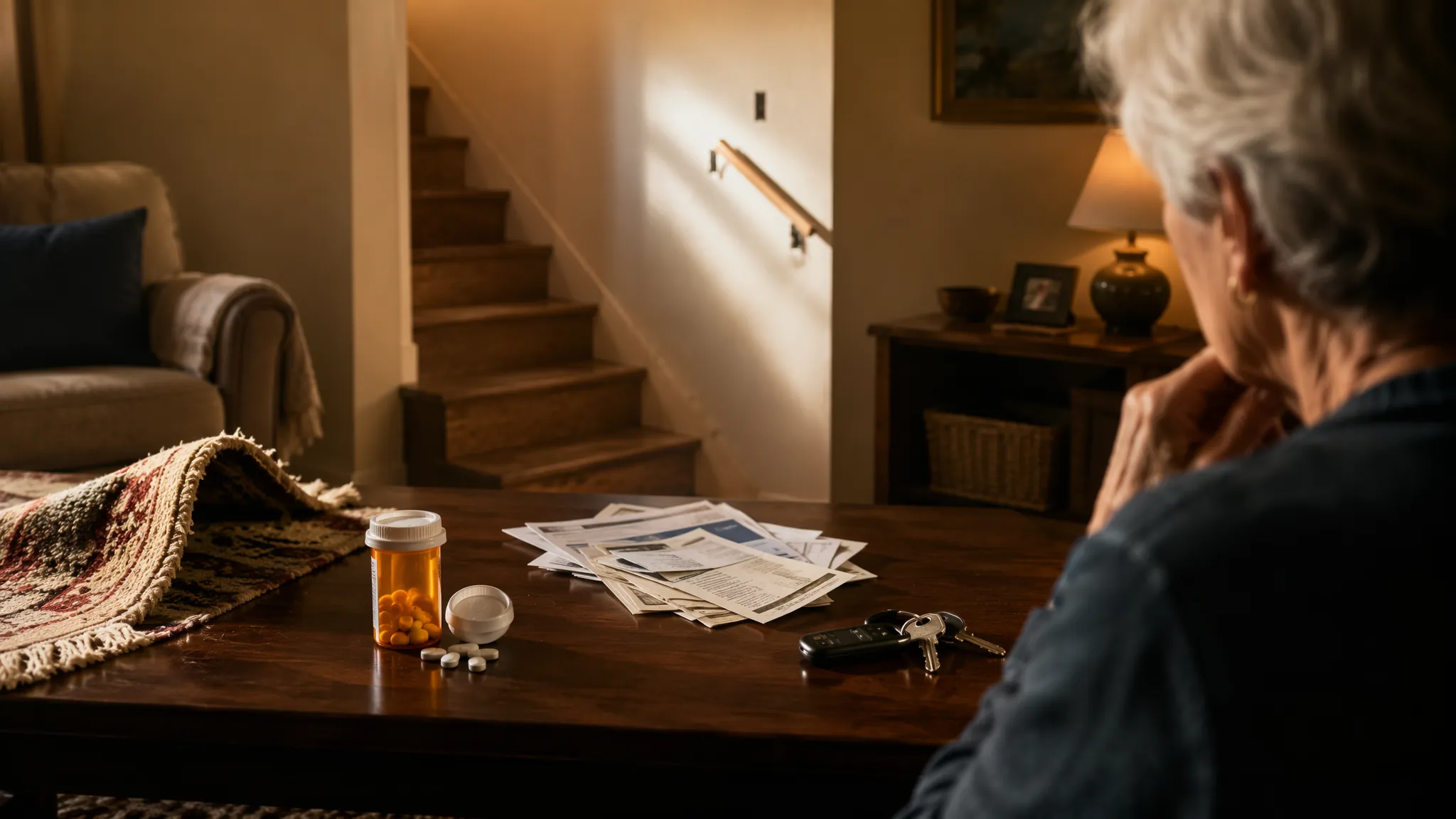
This 5-signal framework helps adult children objectively assess when concern about a parent's declining capacity must turn into action. Track falls, medication errors, home safety, finances, and driving with a green-to-red progression to know when to intervene and when to wait.
Intervene
 checklist
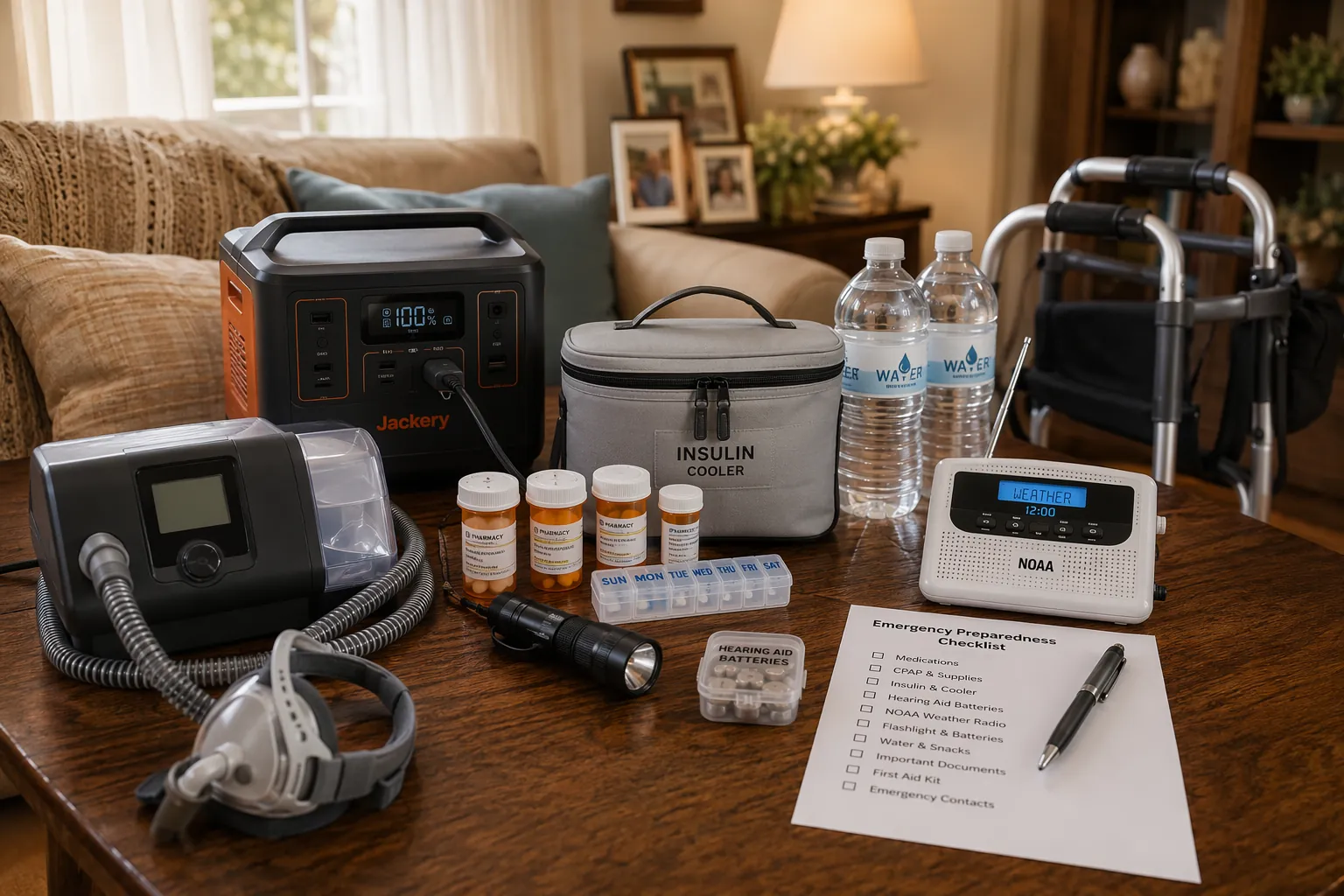
How to Build a 72-Hour Senior Power Outage Safety Kit
A standard emergency kit is not enough for older adults aging at home. This guide provides a comprehensive checklist tailored for seniors, covering medical device backup, medication cooling, mobility aids, and communication tools to survive a 72-hour power outage safely.
Intervene
 checklist
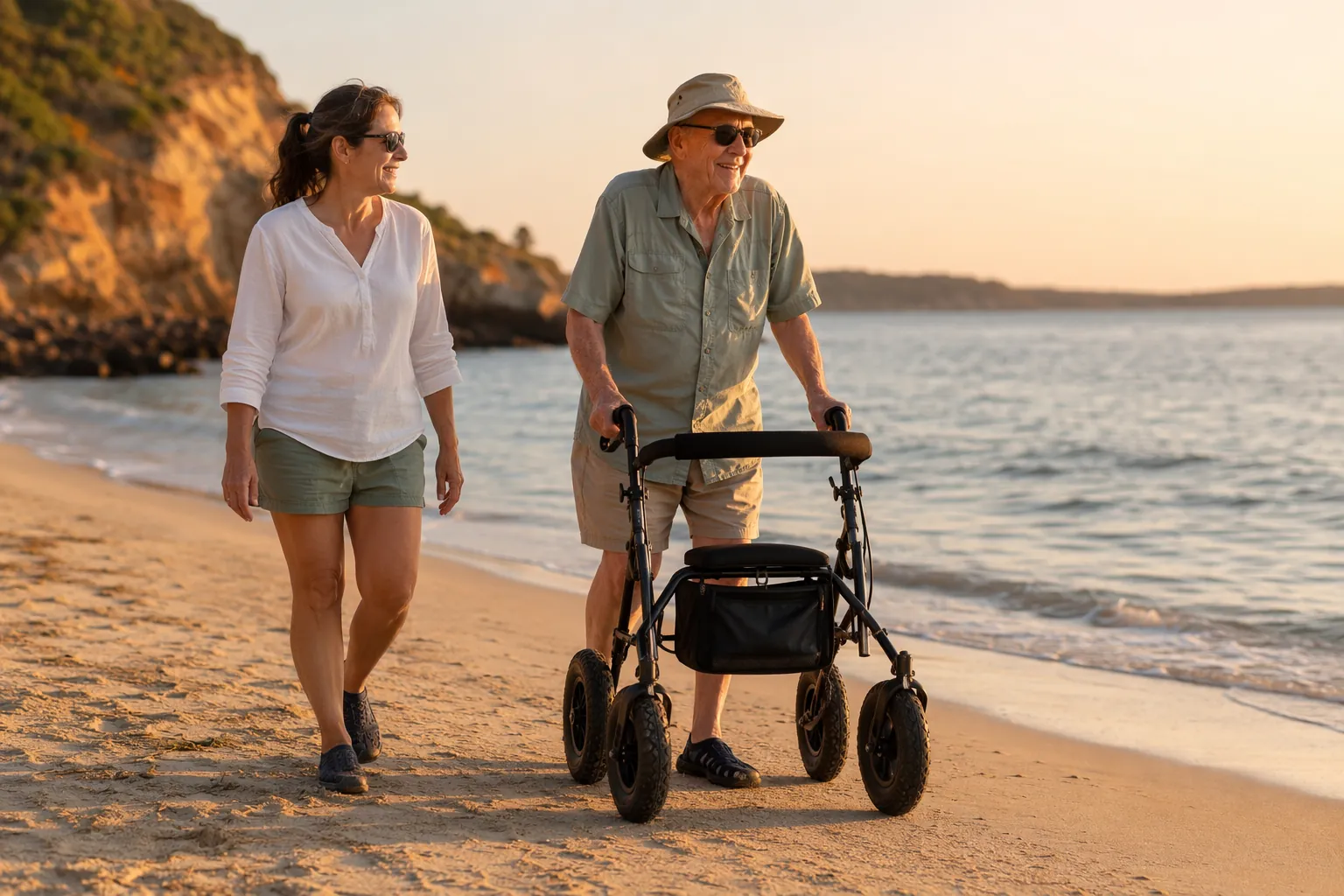
How to Help Older Adults Enjoy the Beach Without Falling
This guide explains why the beach presents unique fall hazards for older adults — soft sand, slopes, long distances — and provides specific adaptations for mobility aids, footwear, seating, and trip planning so caregivers and seniors can enjoy the shore safely.
 checklist
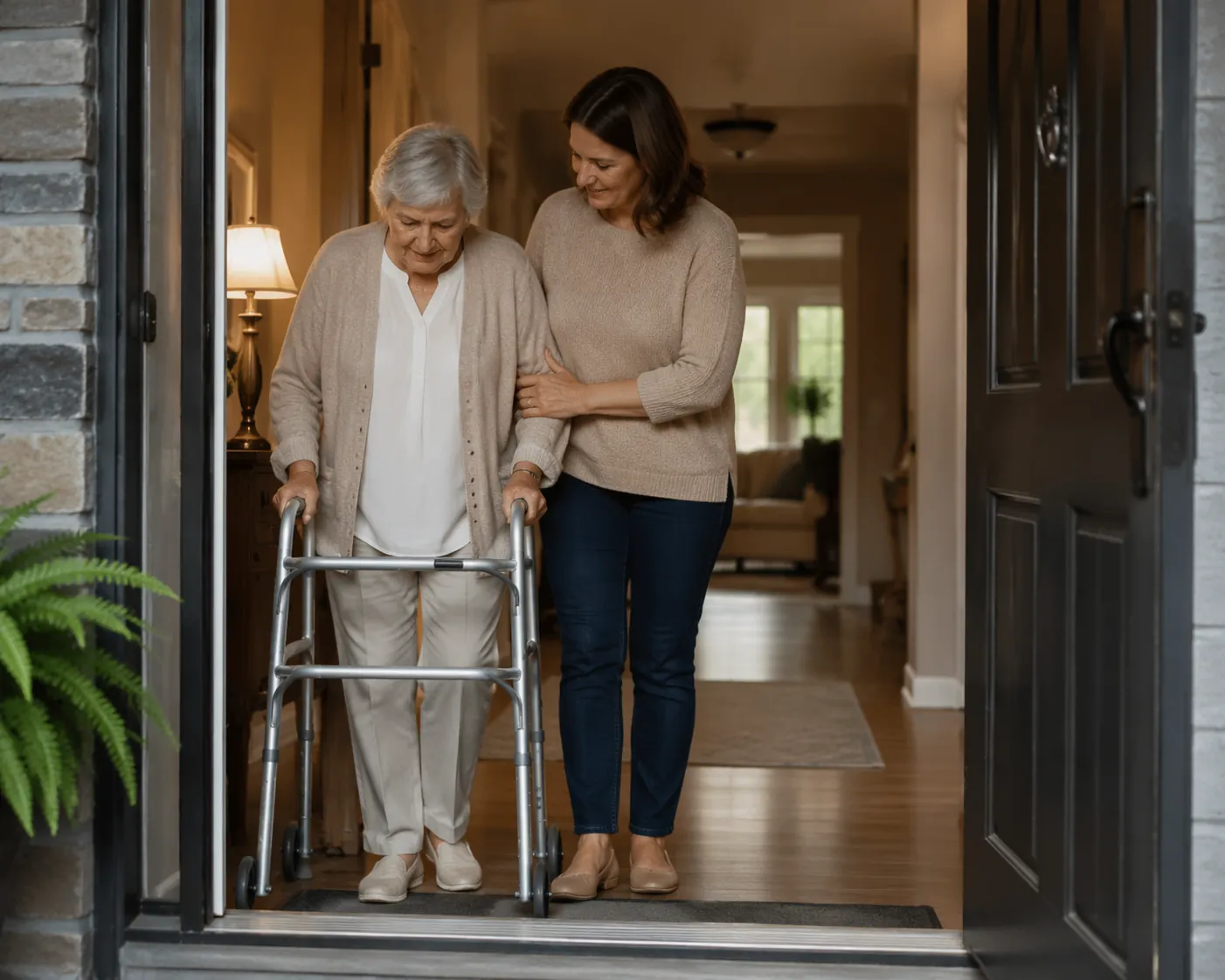
Caregiver's Guide to Fall Prevention in the First Month After Rehab
The first 30 days after rehab are the highest-risk period for falls — 42.9% of older adults fall within six months, and nearly half of those falls cause injury. This guide gives caregivers a room-by-room checklist to prevent falls and keep a parent safe during the critical first month home.