
Flagship section
Fall Prevention
The flagship section, built directly on the CDC STEADI screen-assess-intervene model. Contains the fall risk screening quiz, the post-fall decision tree for active crisis situations (conscious/responsive checks, when to call 911 vs. urgent care, what to watch for in the following 72 hours), risk-factor explainers (medication side effects, vision, balance), and numbered warning-sign guides. This is the only group that owns crisis-path content; modification and mobility groups link back here rather than duplicating triage guidance.
Act now
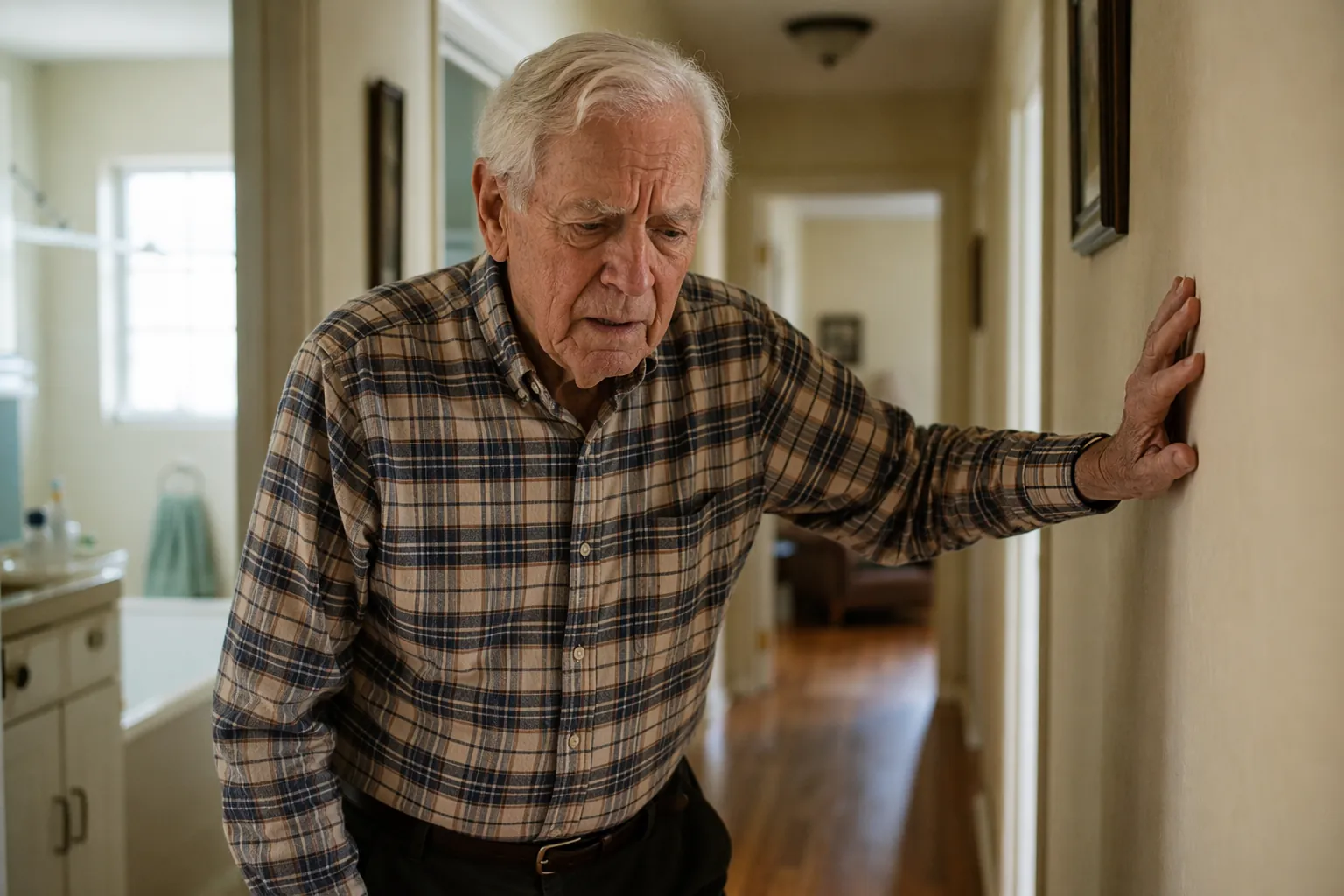
What Salmonella Symptoms in Seniors Mean for Fall Risk
Recognize salmonella symptoms in older adults and understand how the infection triggers dehydration, dizziness, and weakness that directly raise fall risk — including when to seek medical help.
Plan ahead
other
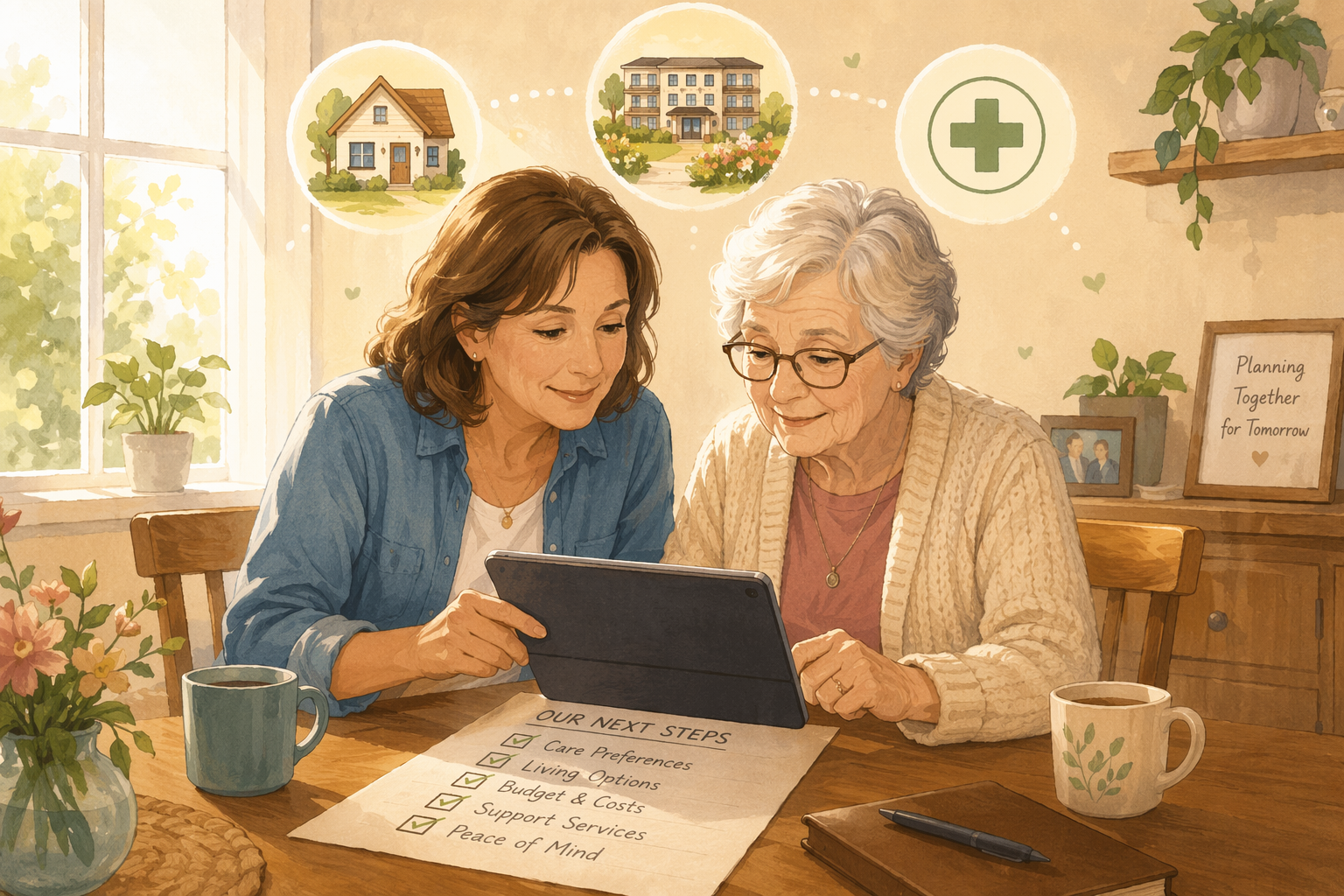 —
—Senior Retirement Homes: A Complete Decision Framework for Family Caregivers
This guide helps adult children and family caregivers navigate the confusing landscape of senior housing options. It breaks down five distinct facility types, provides a step-by-step selection process, and includes cost comparisons, payment strategies, and red flags to watch for during tours.
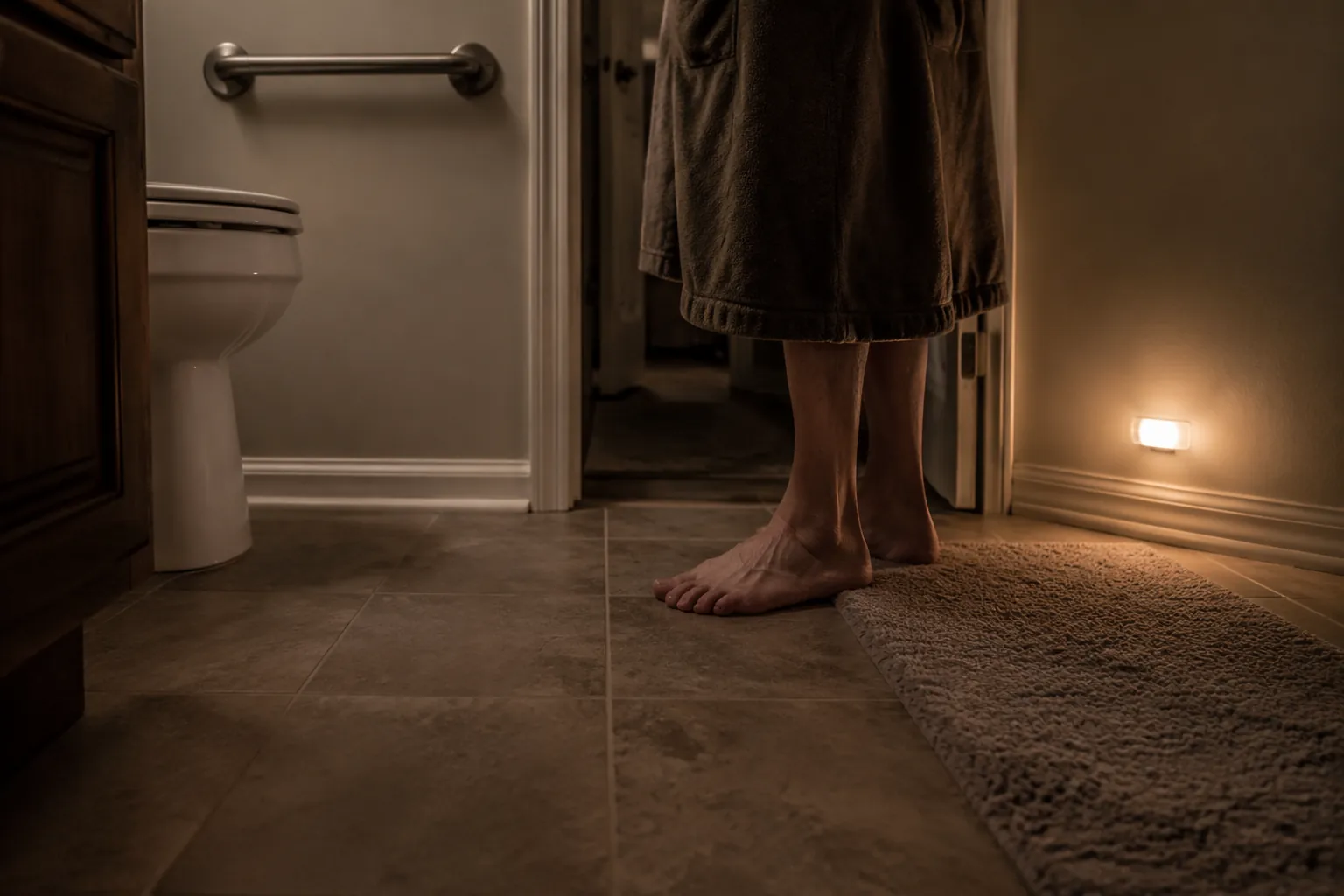 —
—How to Fall-Proof Your Home After Stage 4 Cancer
Learn how to adapt your home room by room to reduce fall risks unique to stage 4 cancer survivors, including practical steps for managing neuropathy, fatigue, and muscle loss.
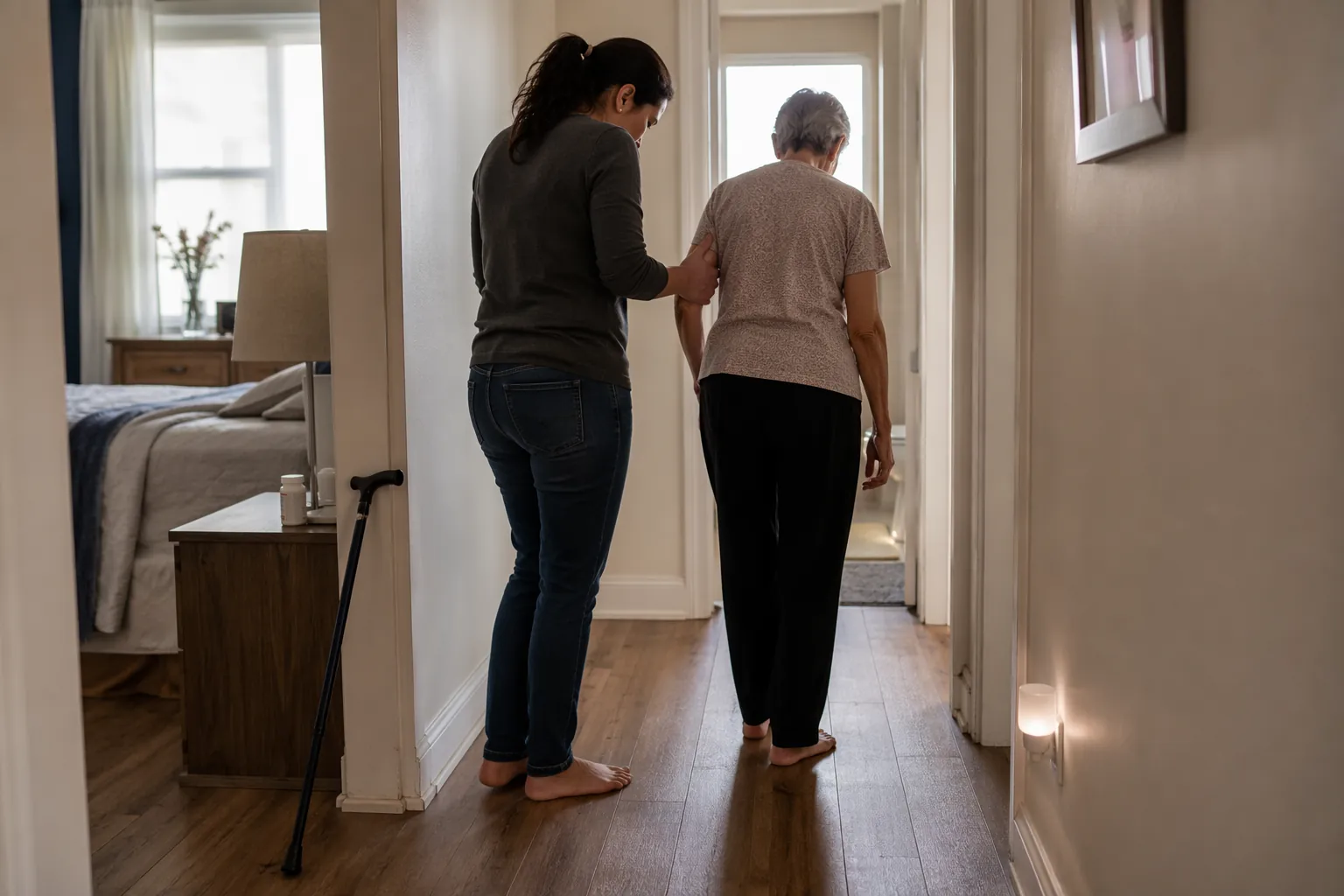 —
—Why Your Parent with Stage 4 Cancer Is at Higher Fall Risk
Learn why chemotherapy neuropathy, bone metastases, and pain medications make falls more likely and dangerous for stage 4 cancer patients, plus actionable steps you can take today to protect your parent.
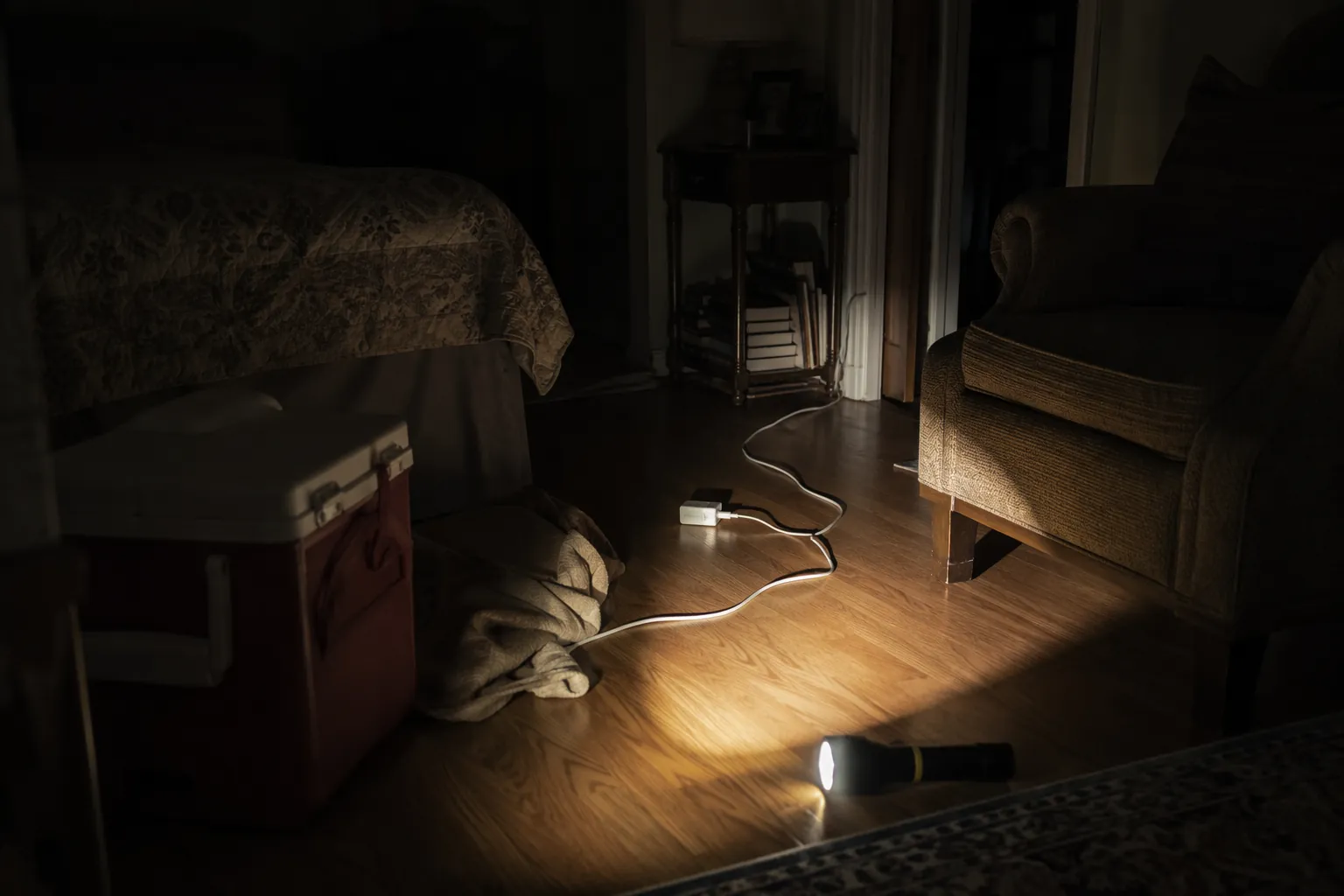 —
—Storm Power Outage Fall Prevention Checklist for Seniors
A pre-storm room-by-room checklist that eliminates fall hazards before the power goes out, plus dark-navigation techniques to keep seniors safe when the lights fail.
 —
—Why heat advisories raise fall risk in older adults
Learn how heat advisories independently increase fall risk through four distinct physiological pathways — dehydration, blood pressure drops, medication interference, and cumulative fatigue — so caregivers can spot early warning signs and prevent falls before they happen.
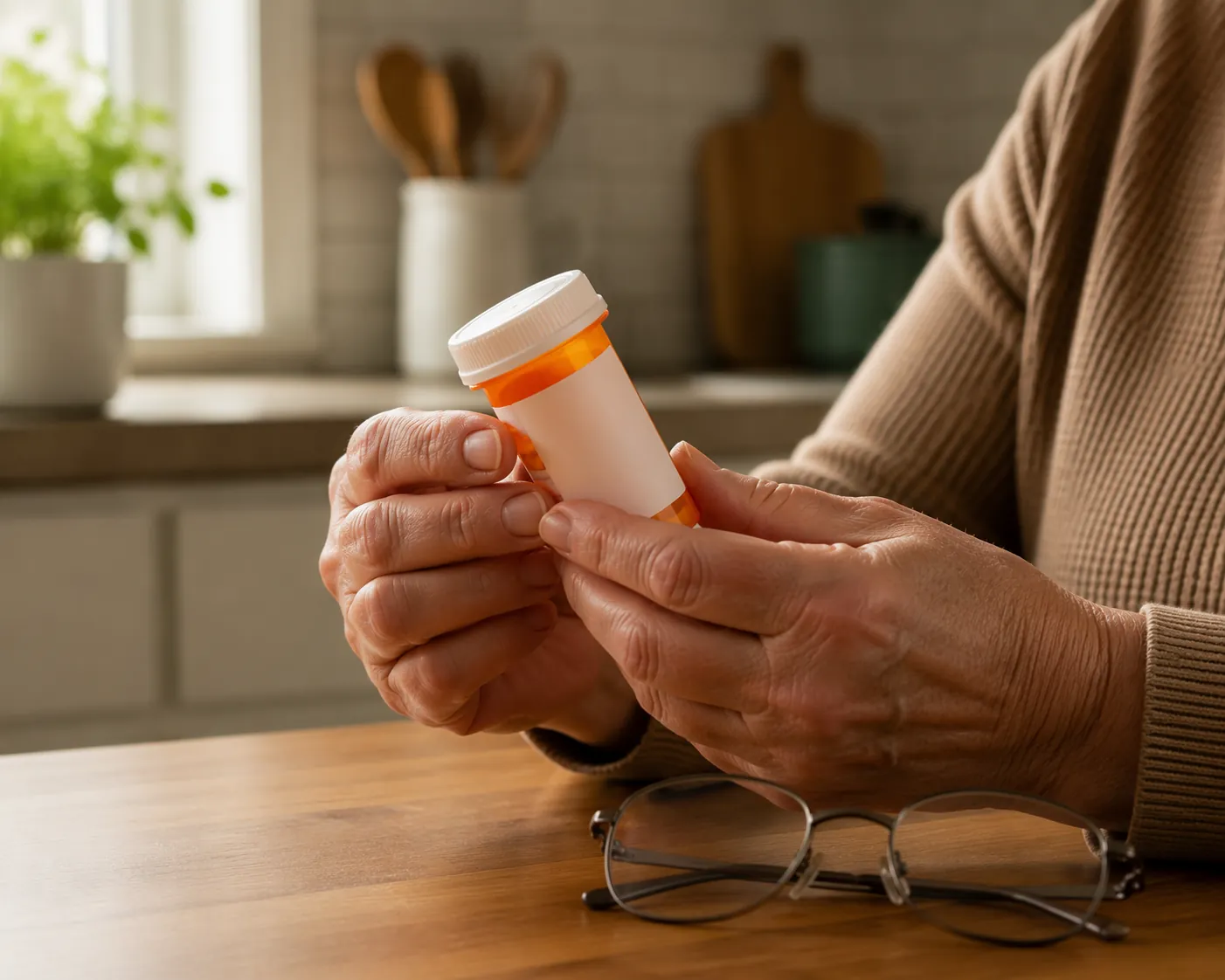 —
—What the 2026 Zyrtec Recall Means for Seniors
This guide helps seniors and caregivers identify if their Zyrtec is part of the July 2026 recall, understand why antihistamines increase fall risk, and find safer allergy alternatives.
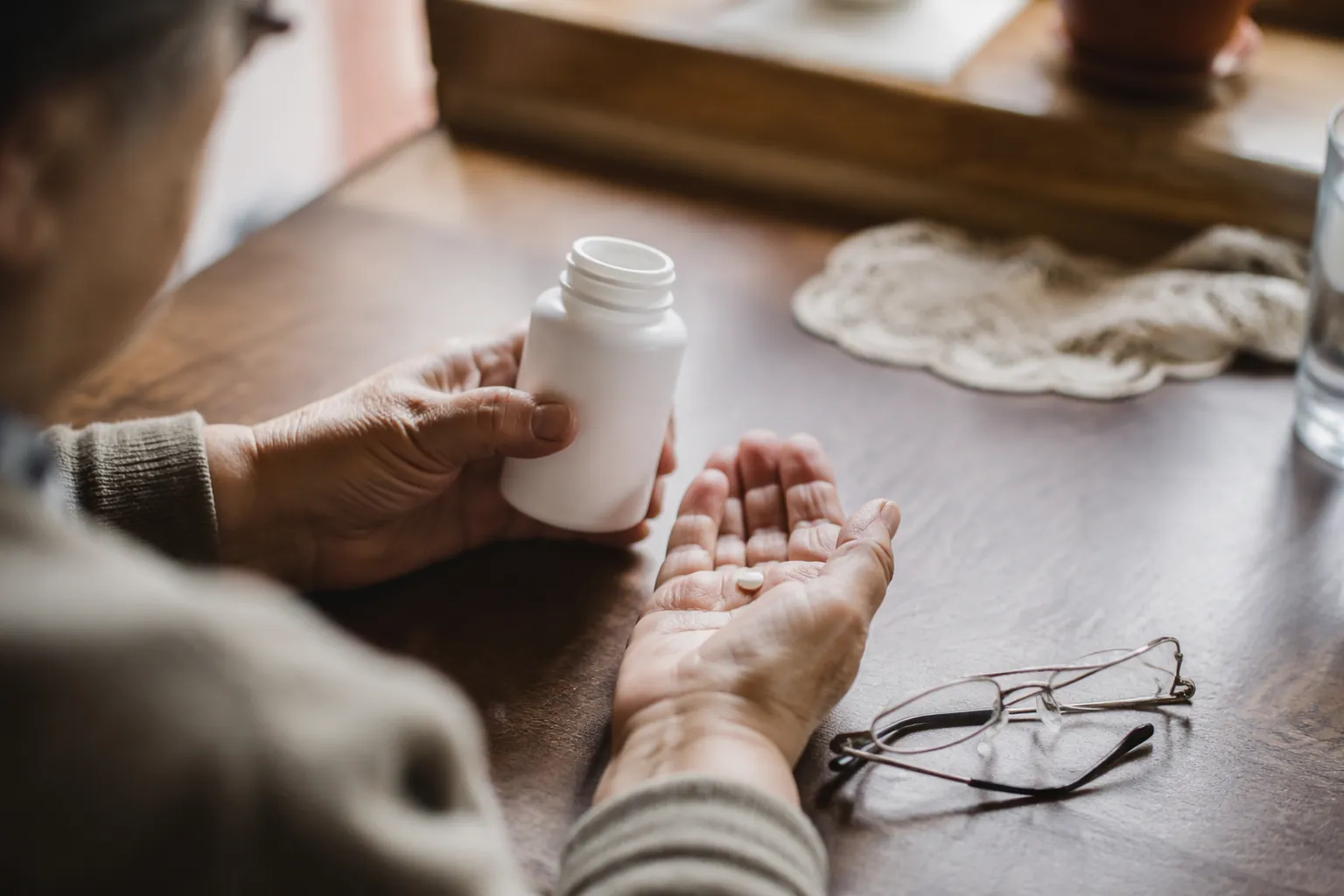 —
—How the Zyrtec Recall Affects Seniors and Fall Risk
The July 2026 Zyrtec recall affects only specific generic lots, but the bigger concern for seniors is the drowsiness-related fall risk from any cetirizine. This guide explains how to check your medication and lists safer allergy alternatives for older adults.
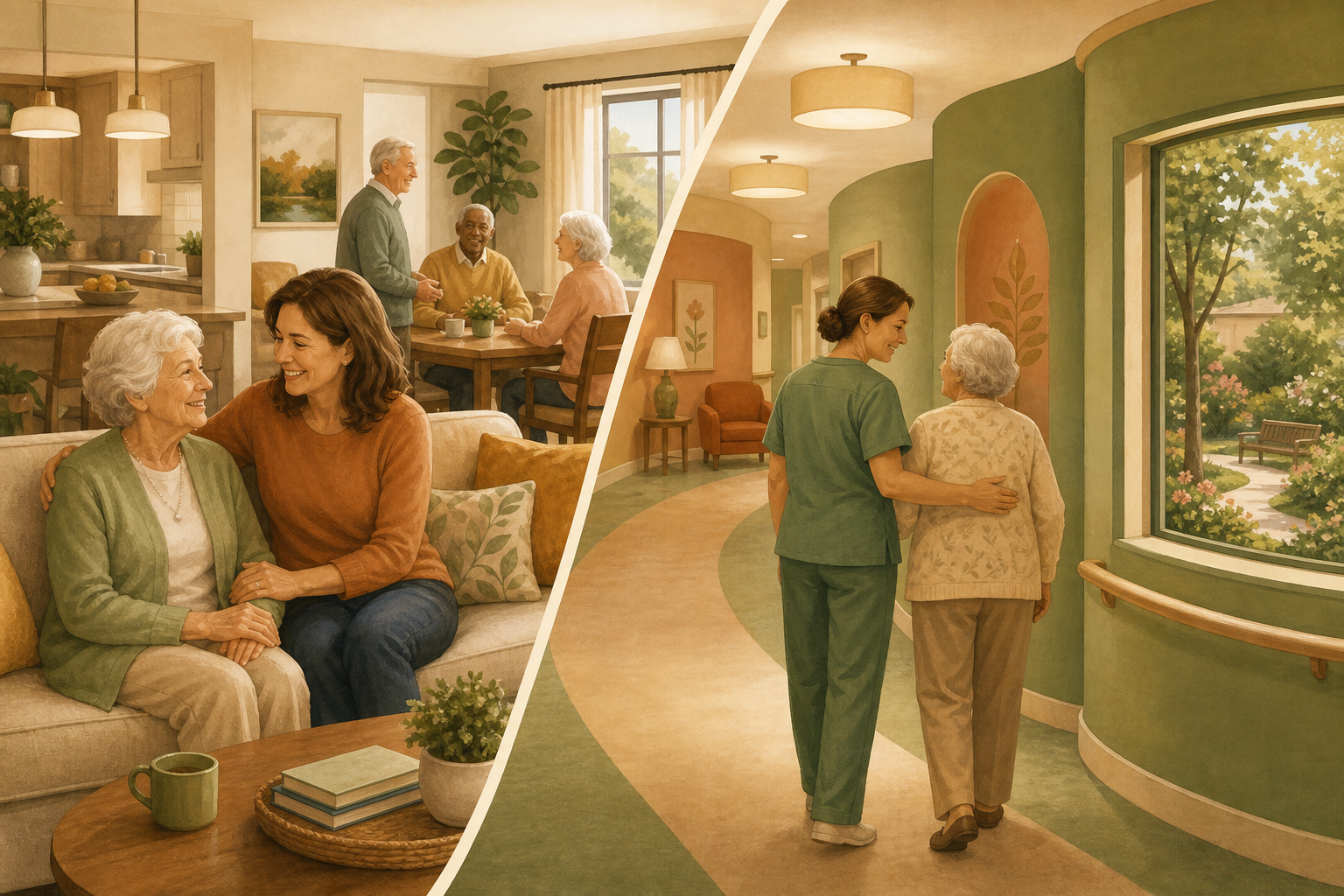 —
—Assisted Living vs. Memory Care: A Head-to-Head Comparison for Families Navigating Dementia
This guide helps adult children understand the critical differences between assisted living and memory care, including safety, cost, staff training, and activities. It also covers five key signs that it's time to transition and explains how some communities offer a staged move without leaving campus.
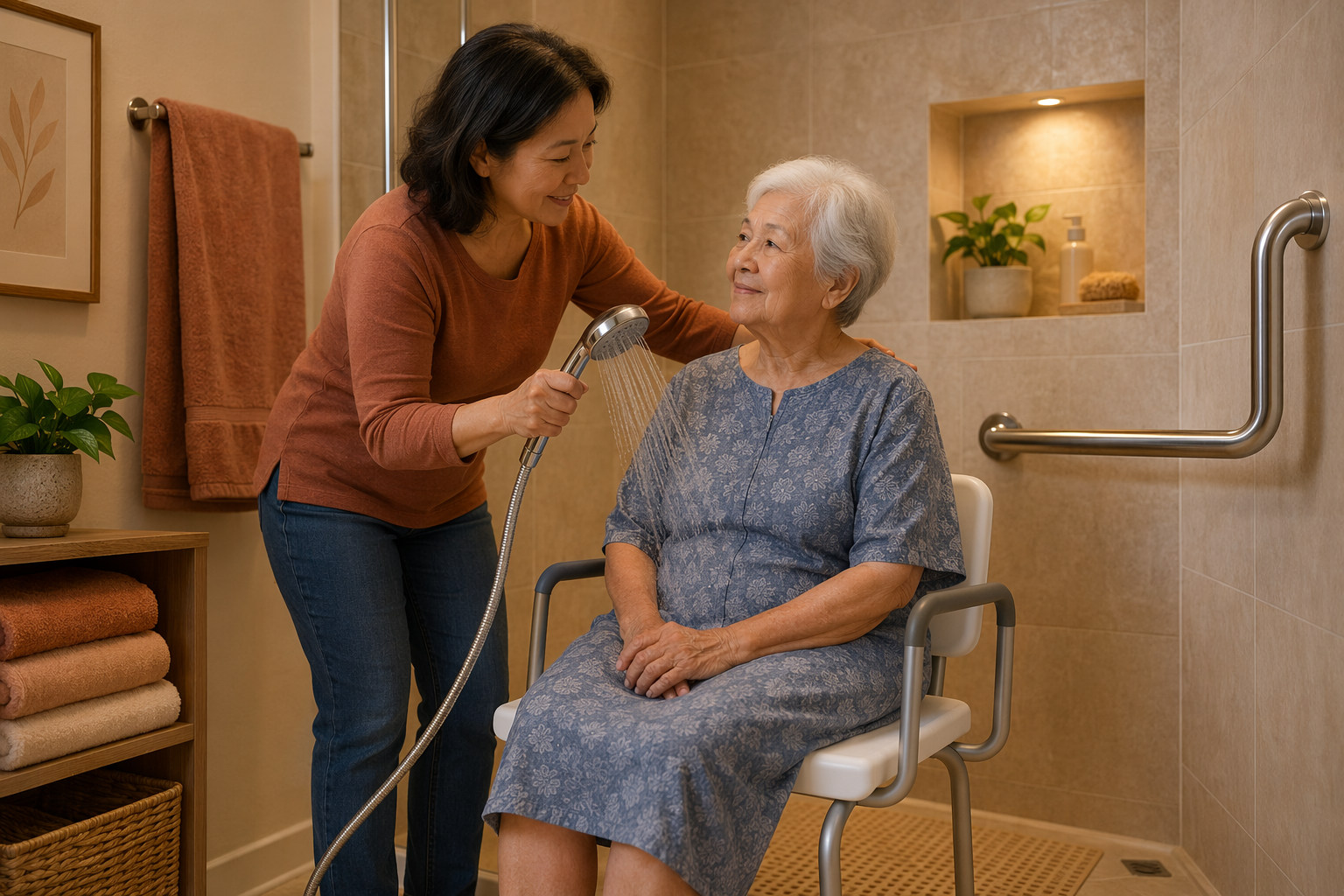 —
—Bathing Assistance for Elderly: A Fall Prevention and Equipment Guide for Family Caregivers
Bathing is the highest-risk daily activity for older adults. This guide combines CDC injury data, ADA-referenced safety specifications, and an equipment decision framework to help family caregivers reduce fall risk while preserving dignity and independence.
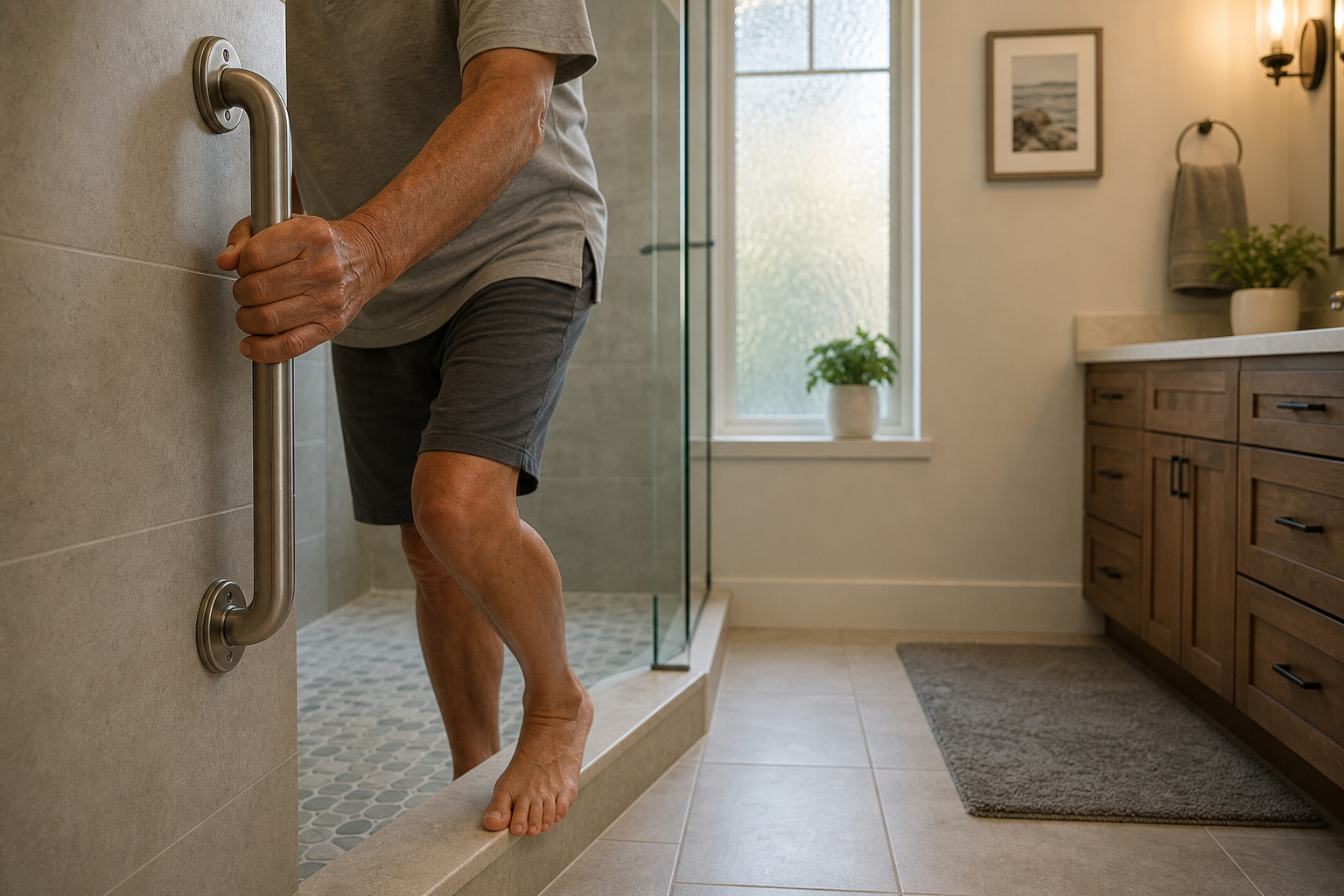 —
—Grab Bars for Bathroom Safety: A Complete Installation Guide for Family Caregivers
A correctly placed and properly mounted grab bar is one of the highest-impact, lowest-cost steps a caregiver can take to reduce bathroom fall risk — but common installation errors can nullify the benefit or create new hazards. This guide walks family caregivers through bar selection, ADA-aligned placement by bathroom zone, wall-surface anchoring methods, load testing, when to hire a certified professional, and concrete funding options including Medicare Advantage and VA grants.
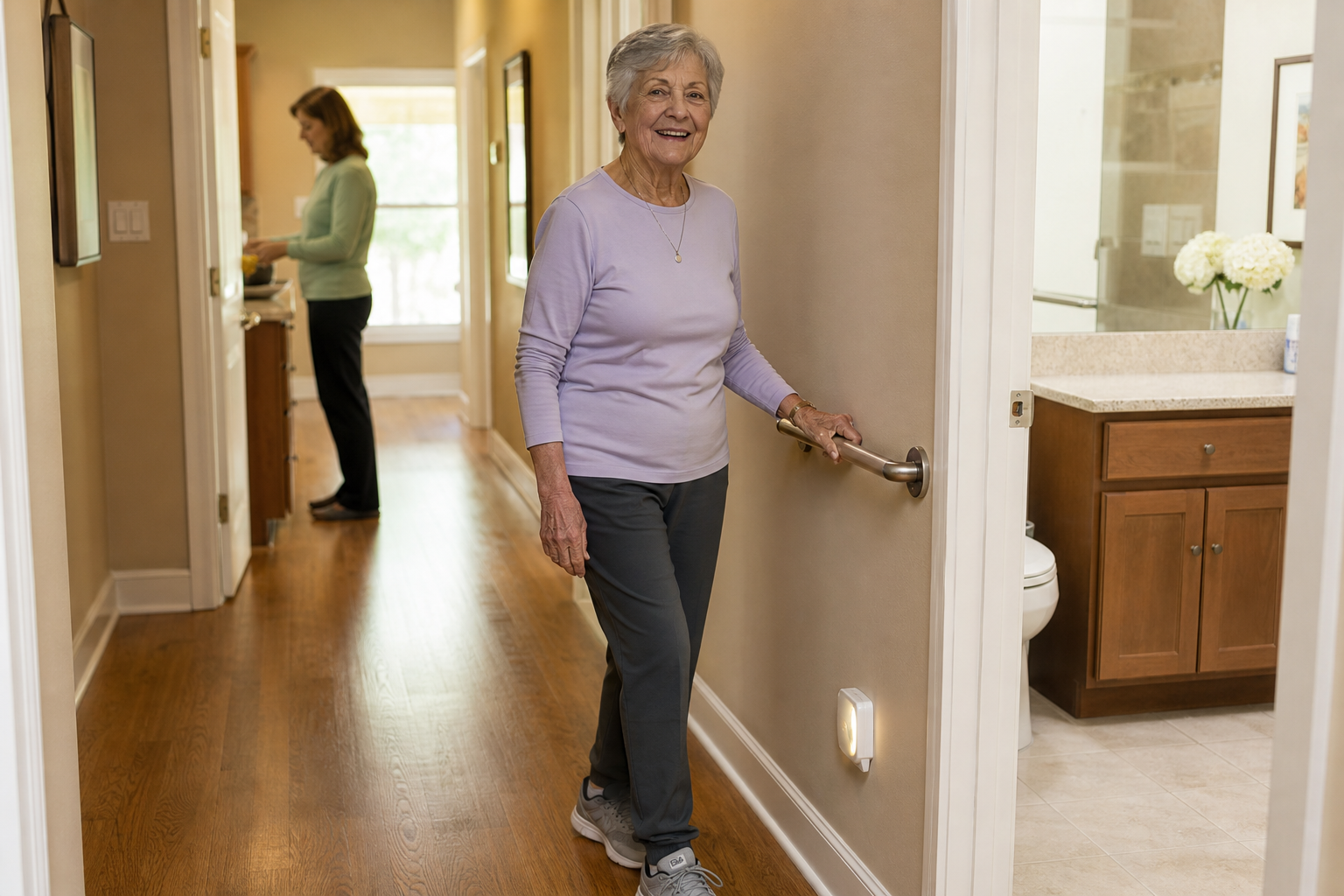 —
—Home Fall Prevention Checklist for Older Adults: A Room-by-Room Guide for Family Caregivers
A prioritized, room-by-room home safety checklist aligned with CDC STEADI, designed for adult children and family caregivers responding to a parent's fall or increasing fall risk — covering both environmental hazards and the personal risk factors (medications, vision, footwear, balance) that most checklists miss, organized into a three-tier action model so you can act immediately on the highest-impact items.