
Flagship section
Fall Prevention
The flagship section, built directly on the CDC STEADI screen-assess-intervene model. Contains the fall risk screening quiz, the post-fall decision tree for active crisis situations (conscious/responsive checks, when to call 911 vs. urgent care, what to watch for in the following 72 hours), risk-factor explainers (medication side effects, vision, balance), and numbered warning-sign guides. This is the only group that owns crisis-path content; modification and mobility groups link back here rather than duplicating triage guidance.
Act now
 checklist
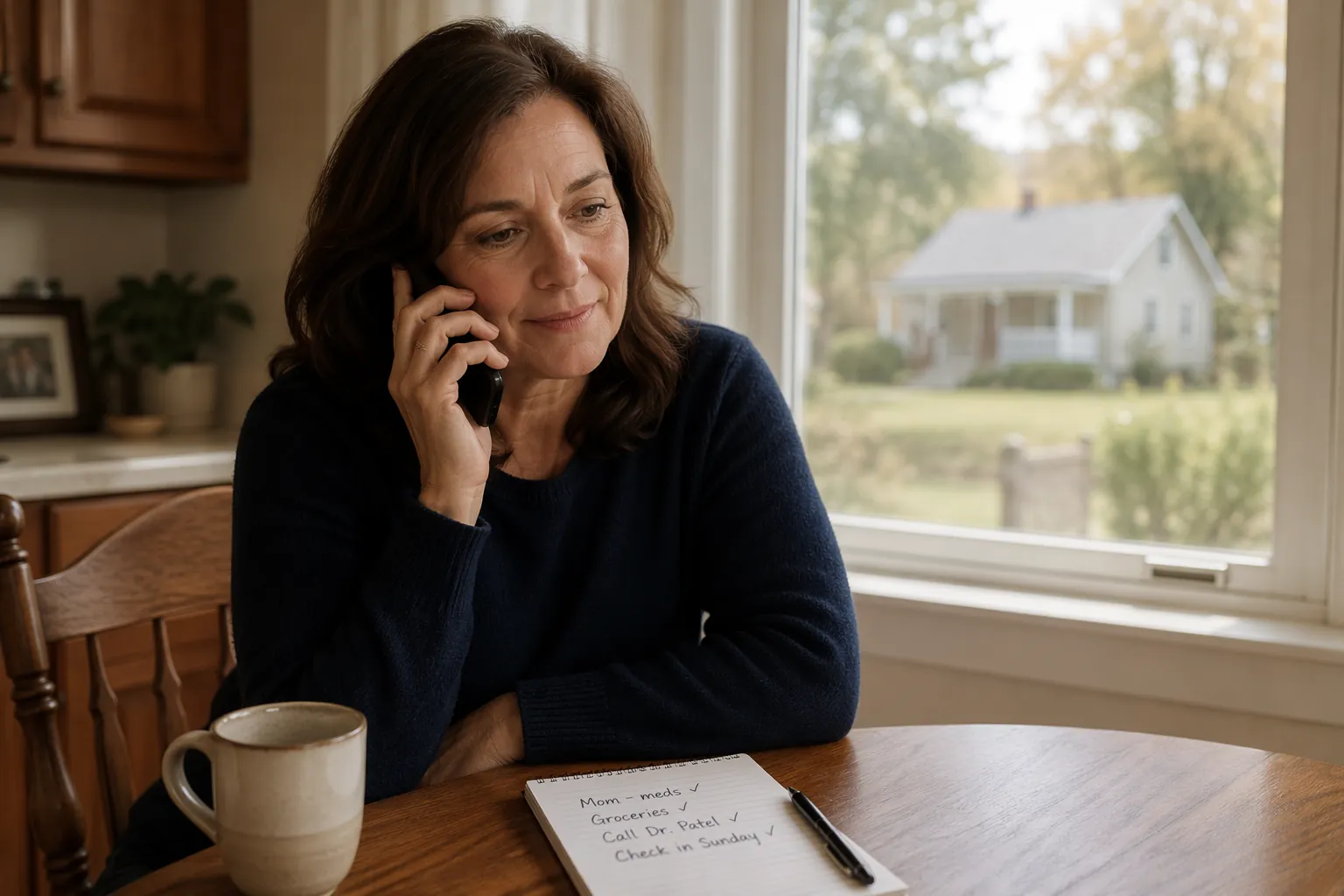
How to Check on a Senior After the 2026 Egg Recall
Learn what signs to monitor in an older adult for 72 hours after possible exposure to recalled eggs, including dehydration symptoms and when to seek emergency care.
 checklist
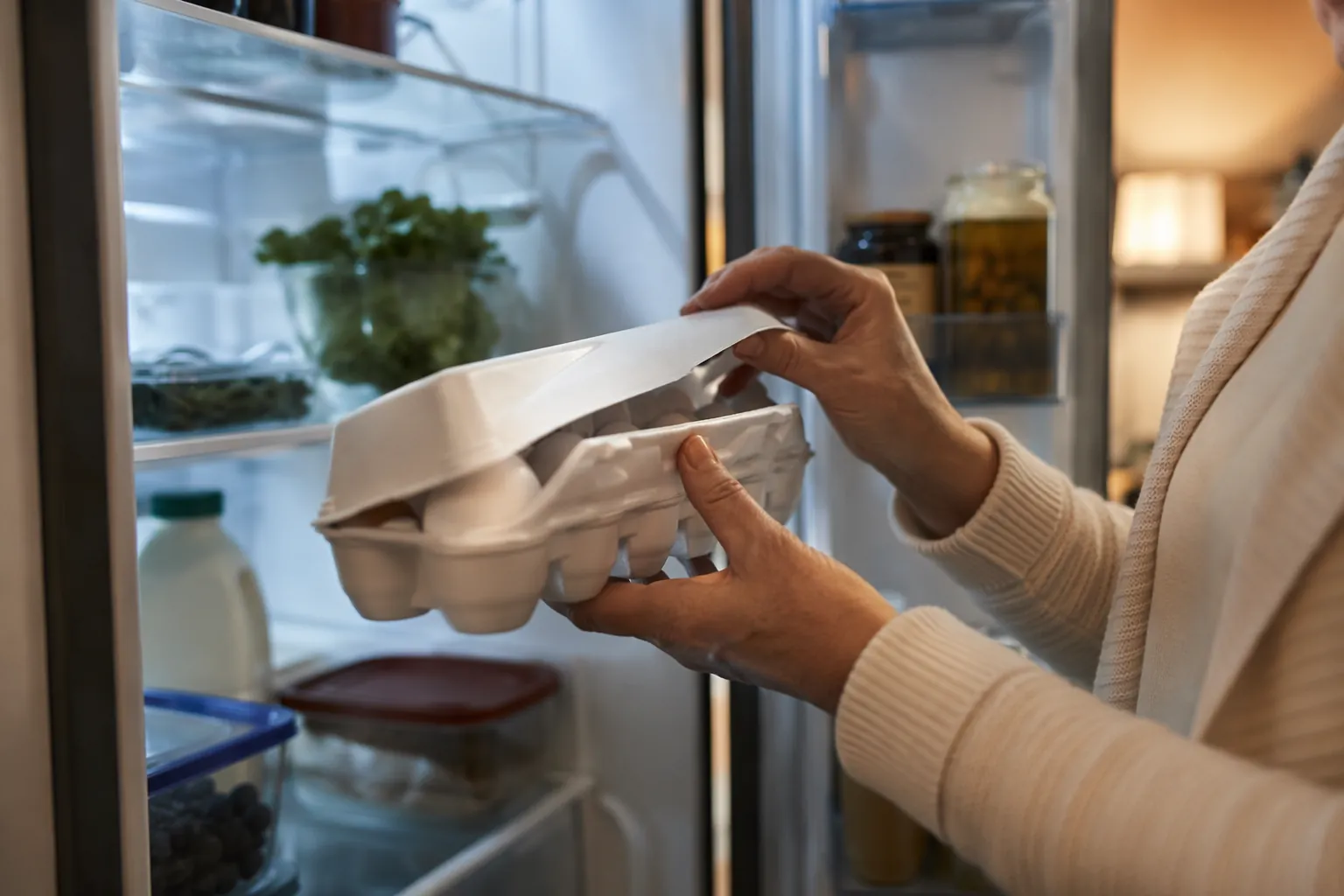
Egg Recall Brands Seniors Should Avoid Now
Find out if your eggs are part of the July 2026 Salmonella recall by checking brands and carton codes, and learn why seniors need to act quickly given their higher risk of severe illness.
 checklist
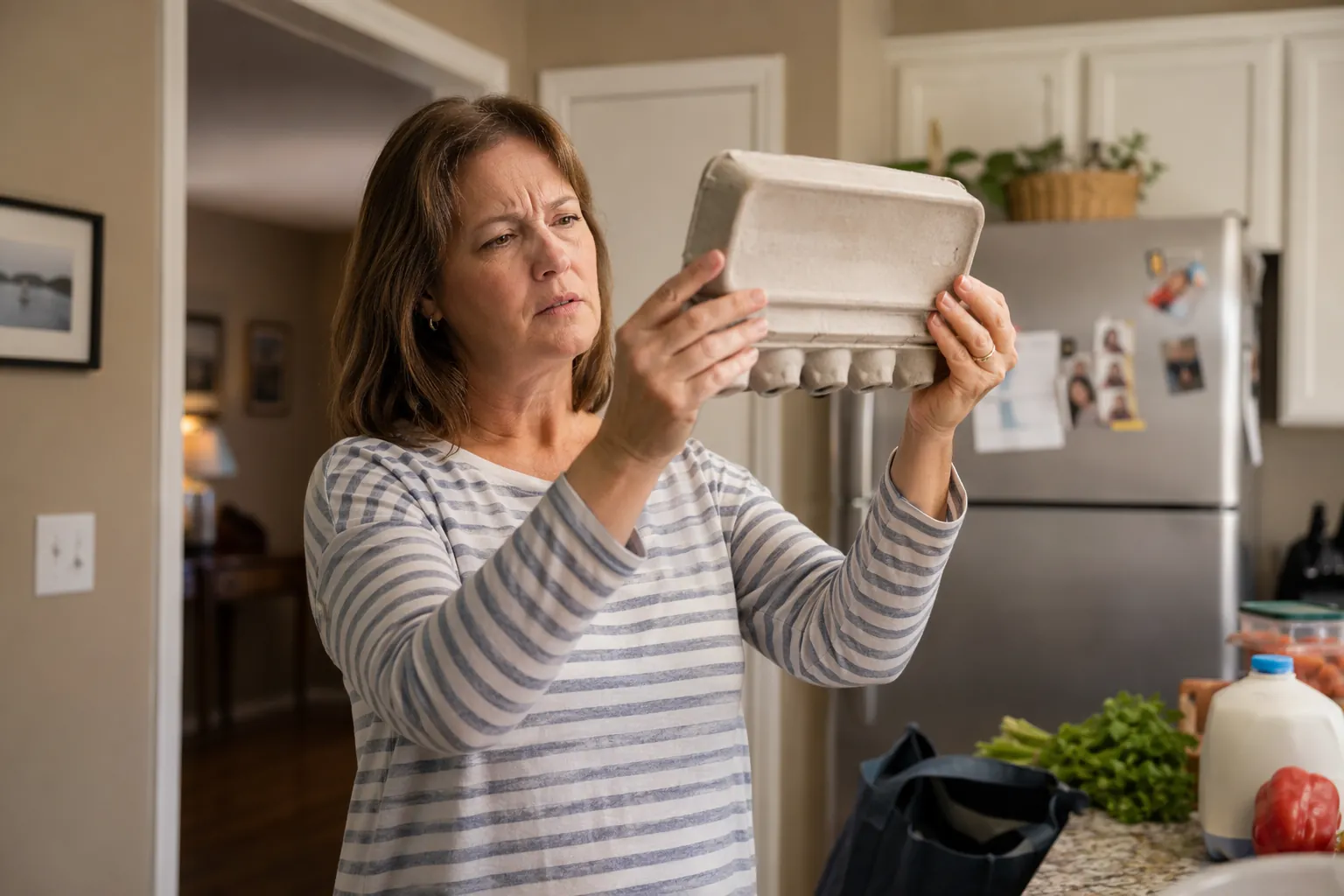
Protect Your Older Adult From Salmonella During This Egg Recall
A step-by-step crisis checklist for caregivers to verify recalled egg cartons, safely dispose of them, clean the kitchen, and recognize when an older adult needs medical attention — based on CDC and FDA guidance for the July 2026 egg recall.
 checklist
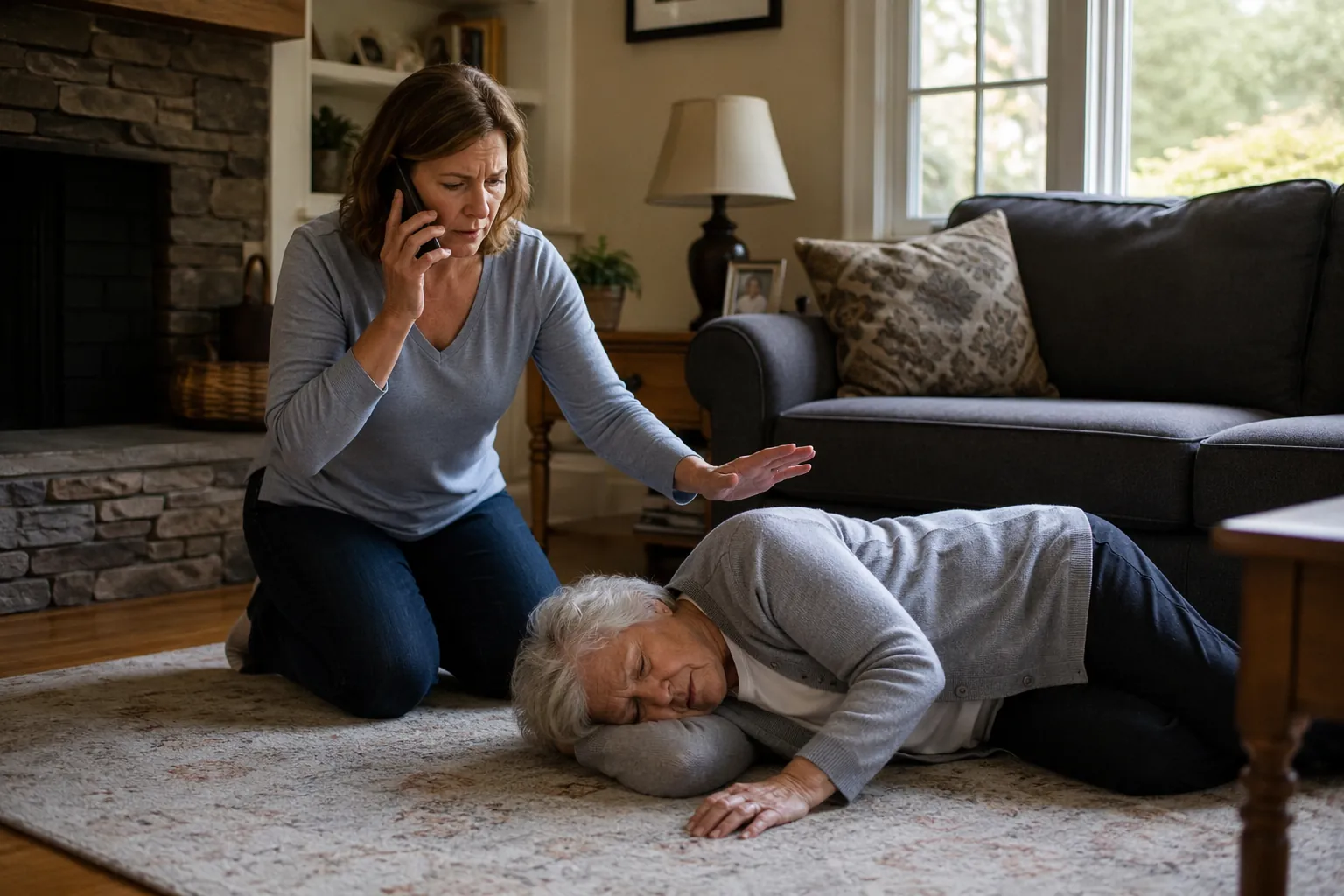
What to Do After an Elderly Parent Falls and Fractures a Bone
A step-by-step guide for family caregivers responding to an elderly parent's fall with a suspected fracture. This article explains the critical first actions, when to call 911, and what common mistakes to avoid to prevent worsening the injury.
 checklist
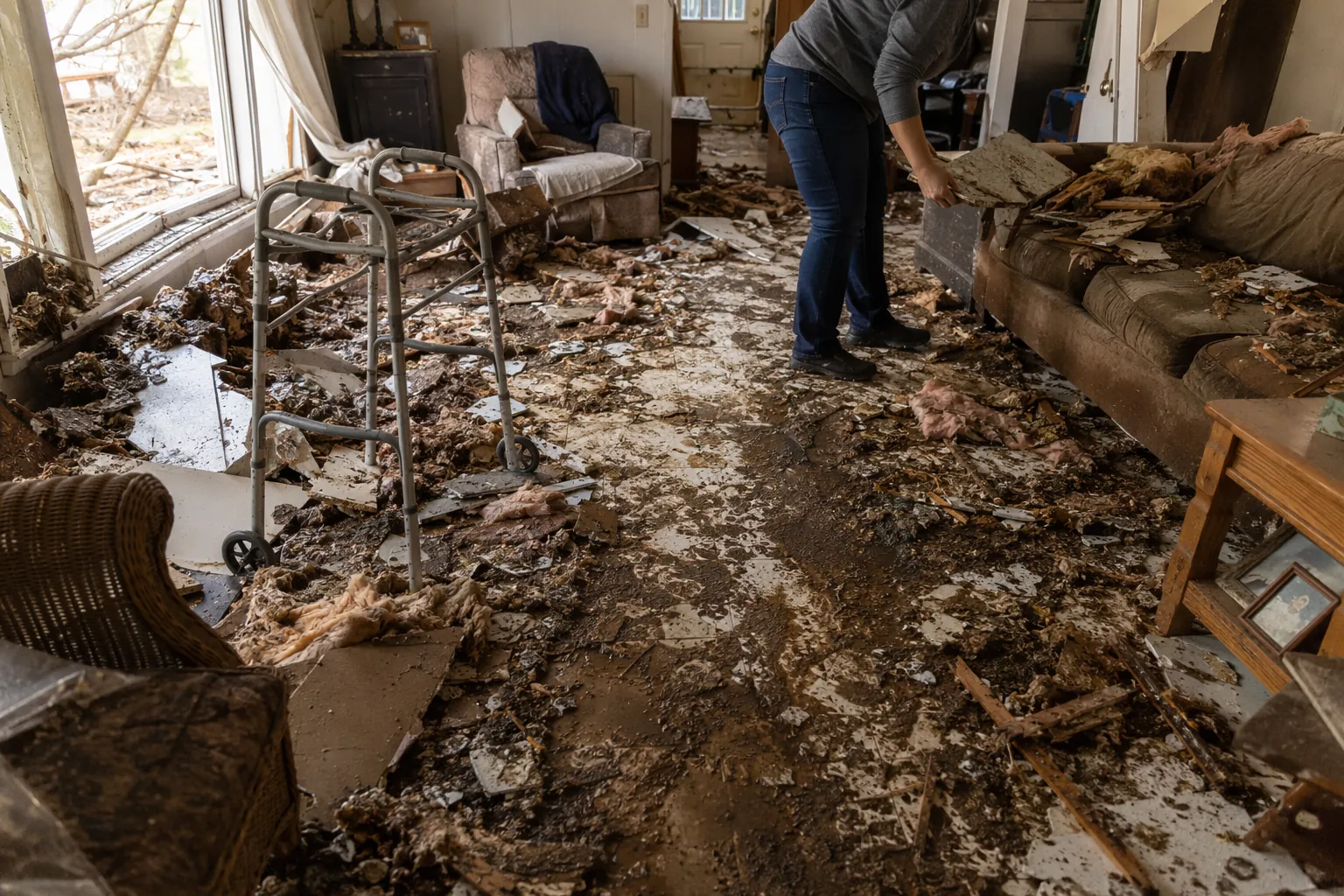
Helping Elderly Parents Avoid Falls After a Tornado
This room-by-room checklist helps adult children prevent falls when cleaning up a parent's tornado-damaged home, covering debris hazards, temporary lighting, and when to call a professional. Based on CDC and NWS data showing that 50% of tornado injuries occur during cleanup.
Plan ahead
Intervene
 warning-sign
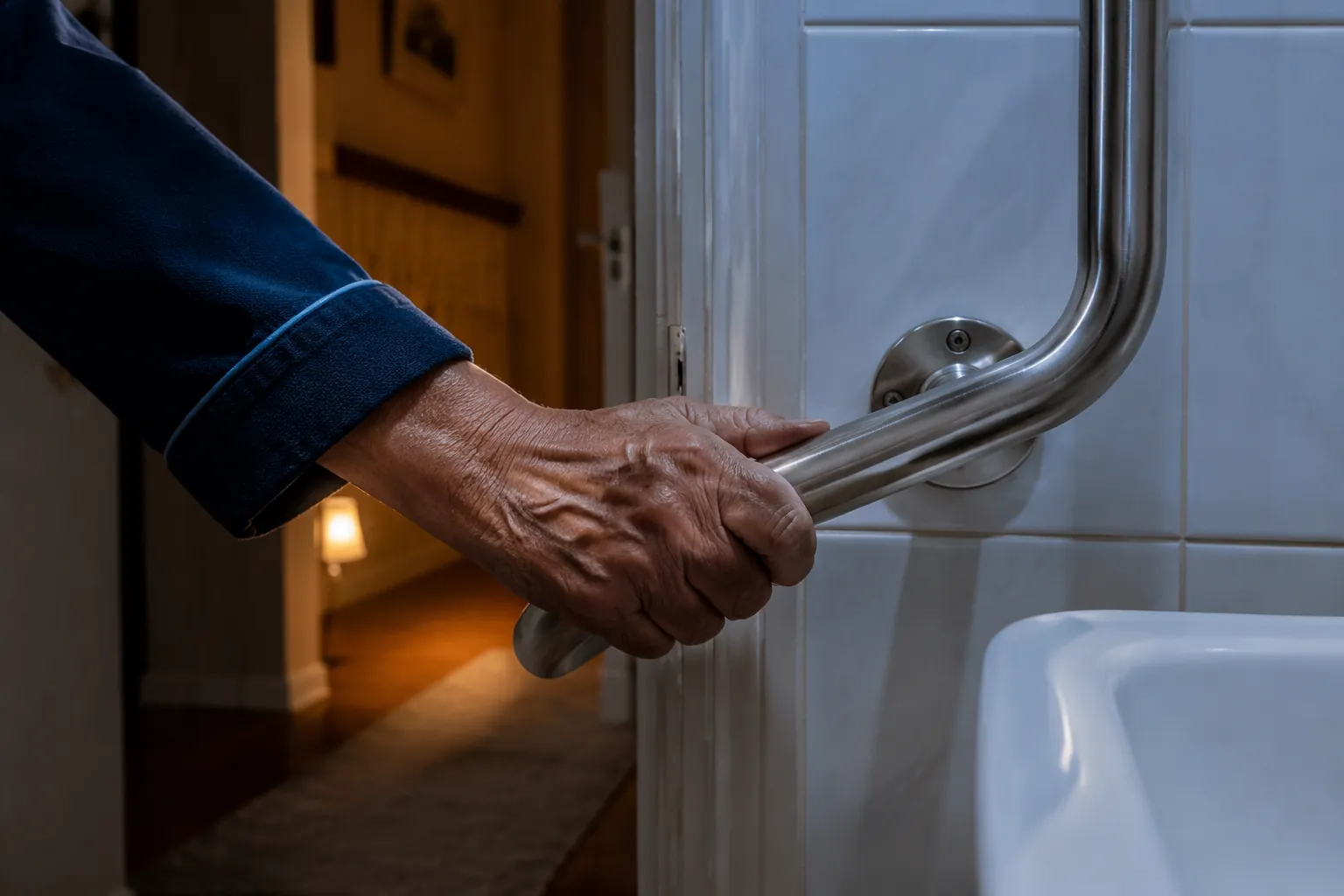
Senior Fall Safety Tips for the Taco Bell Cyclospora Outbreak
Learn why the July 2026 Taco Bell Cyclospora outbreak creates acute fall hazards for seniors through dehydration-related dizziness and weakness, and get actionable steps to prevent falls before and after exposure.
 checklist
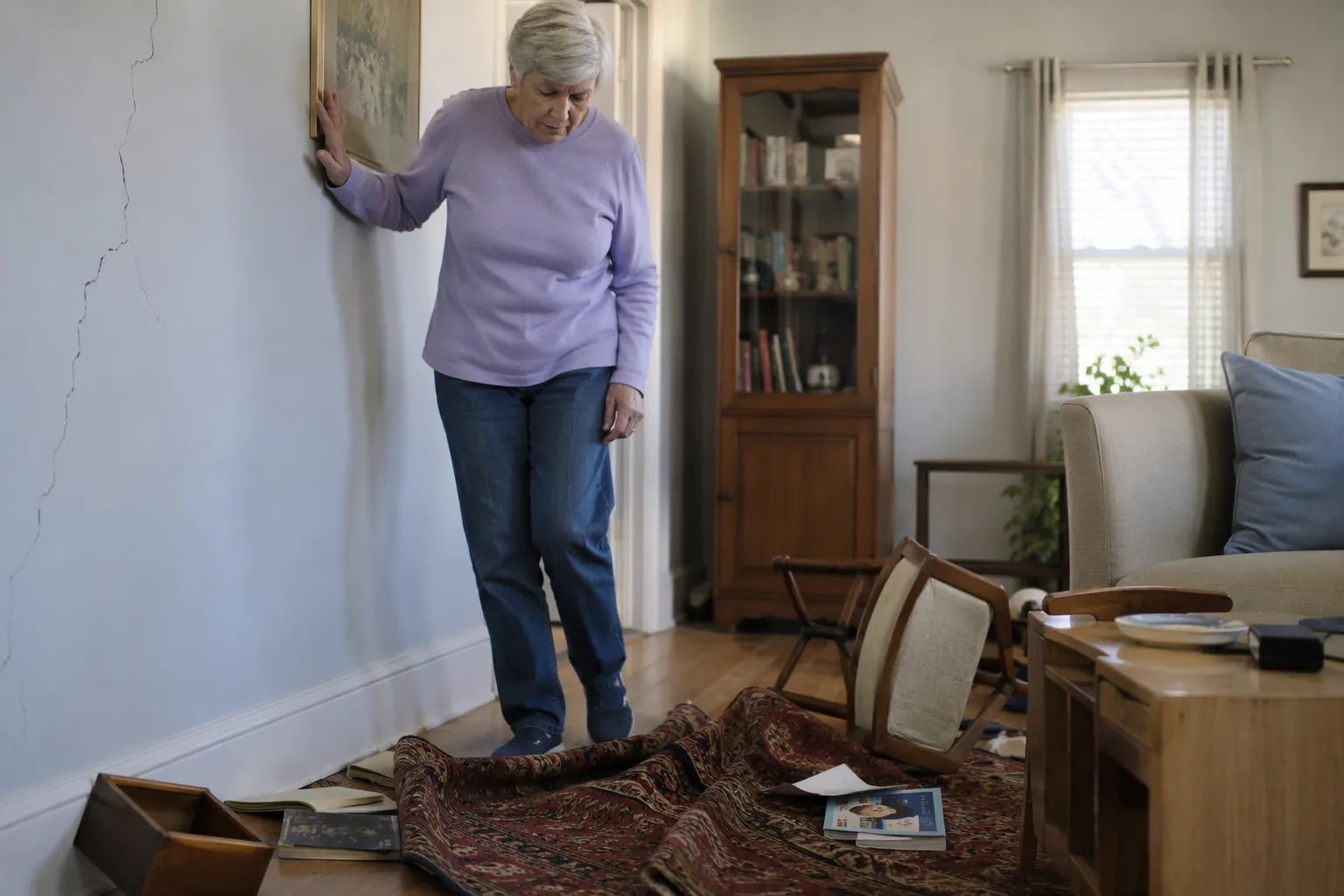
Long-Term Fall Prevention for Elderly Earthquake Survivors
After an earthquake, an older survivor's fall risk actually rises in the weeks and months that follow. This guide explains why—from PTSD and disrupted homes to untreated pain—and provides a practical 6-point checklist to prevent falls during the recovery period.
 decision tree
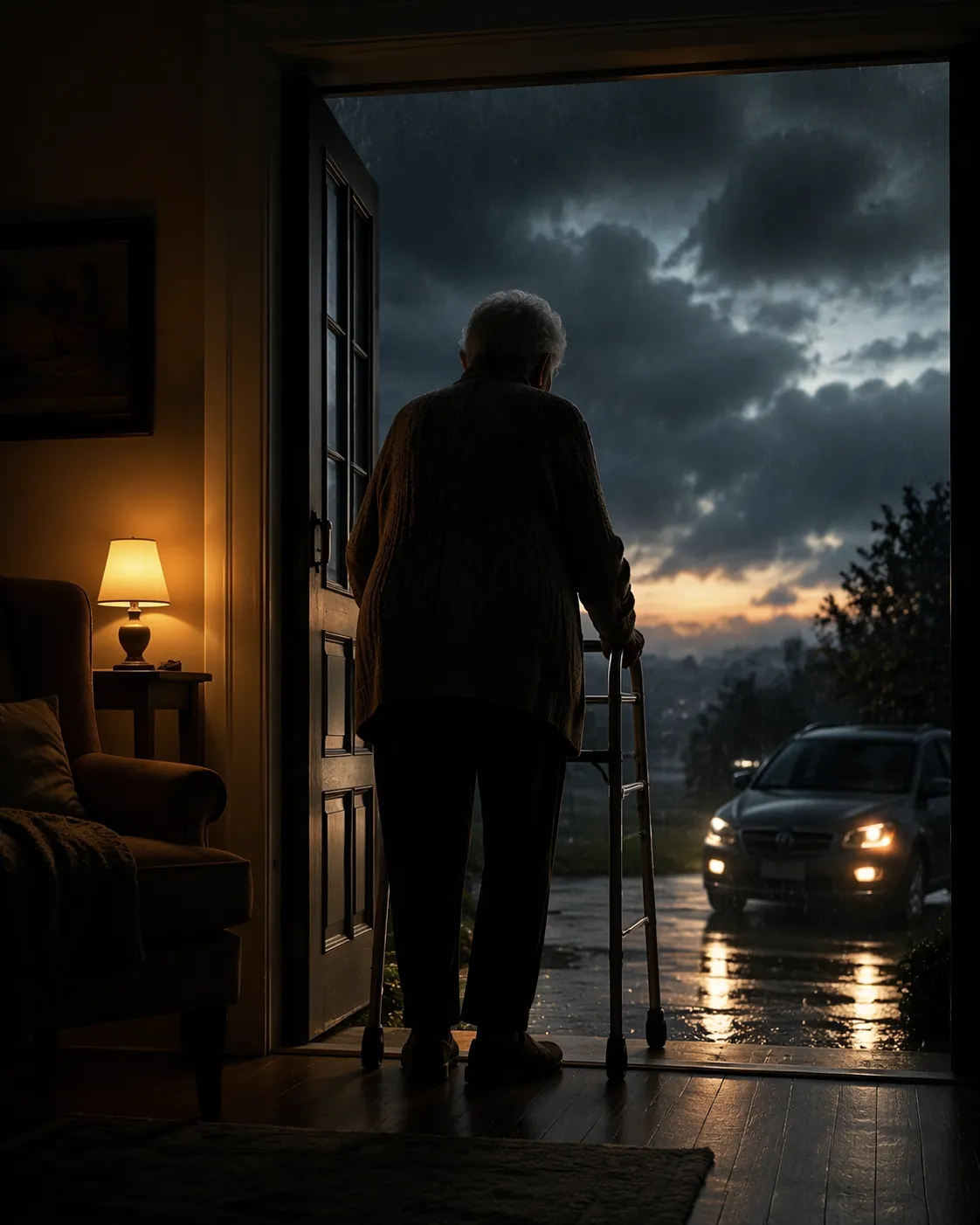
Evacuate or Shelter? How Fall Risk Shapes Your Storm Plan
When a tropical storm threatens, adult-child caregivers must decide whether to evacuate an aging parent or shelter in place. This guide helps you weigh fall risk against storm danger using a conditional four-factor decision framework.
 checklist
Why Extreme Heat Makes Falls More Likely and How to Prevent Them
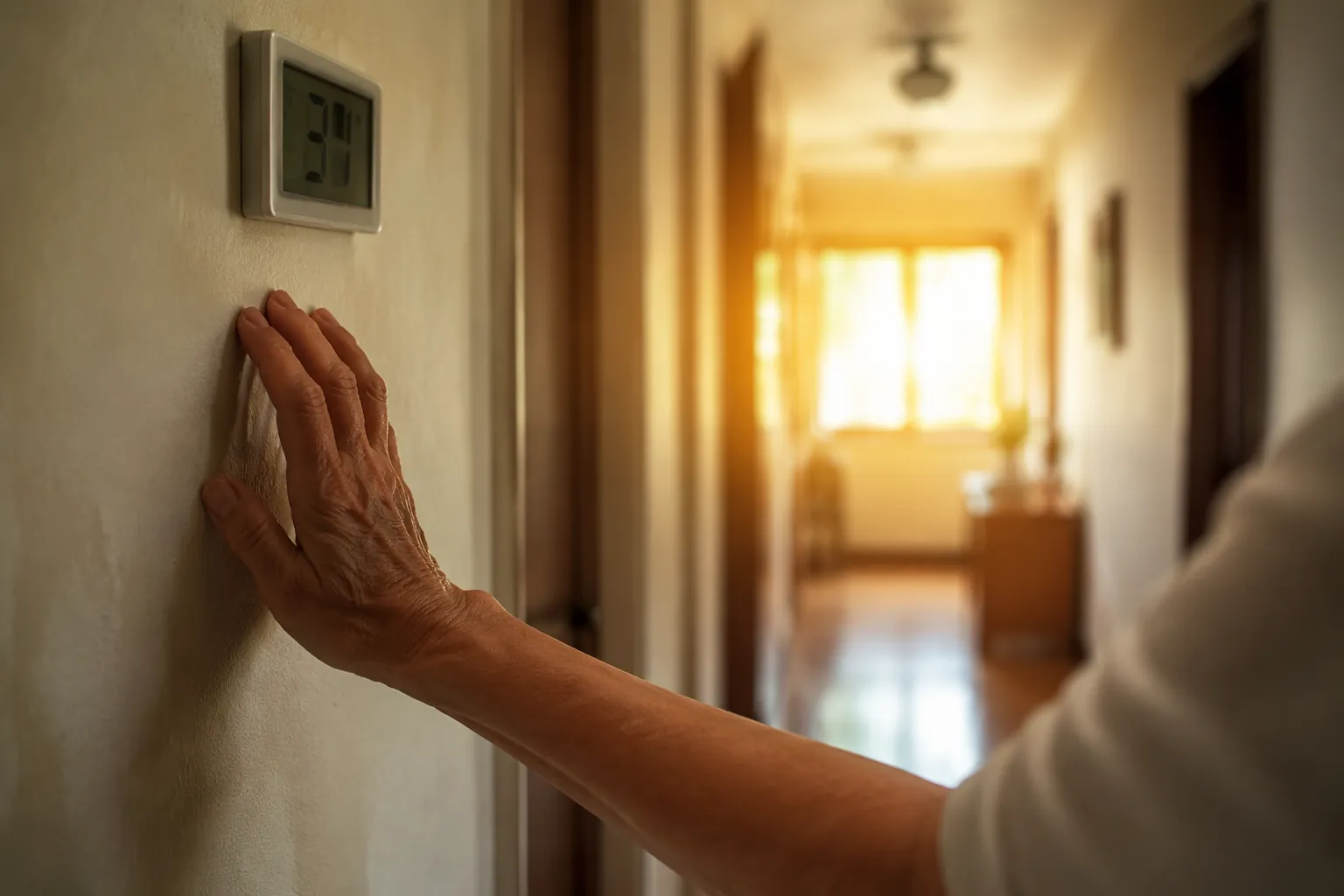
Learn how extreme heat directly increases fall risk in older adults through dehydration, medication interactions, and fatigue, and discover a three-point prevention plan to keep them safe at home during hot weather.
 checklist
Is Your Parent Safe in Extreme Heat? A Kansas City Fall Prevention Guide
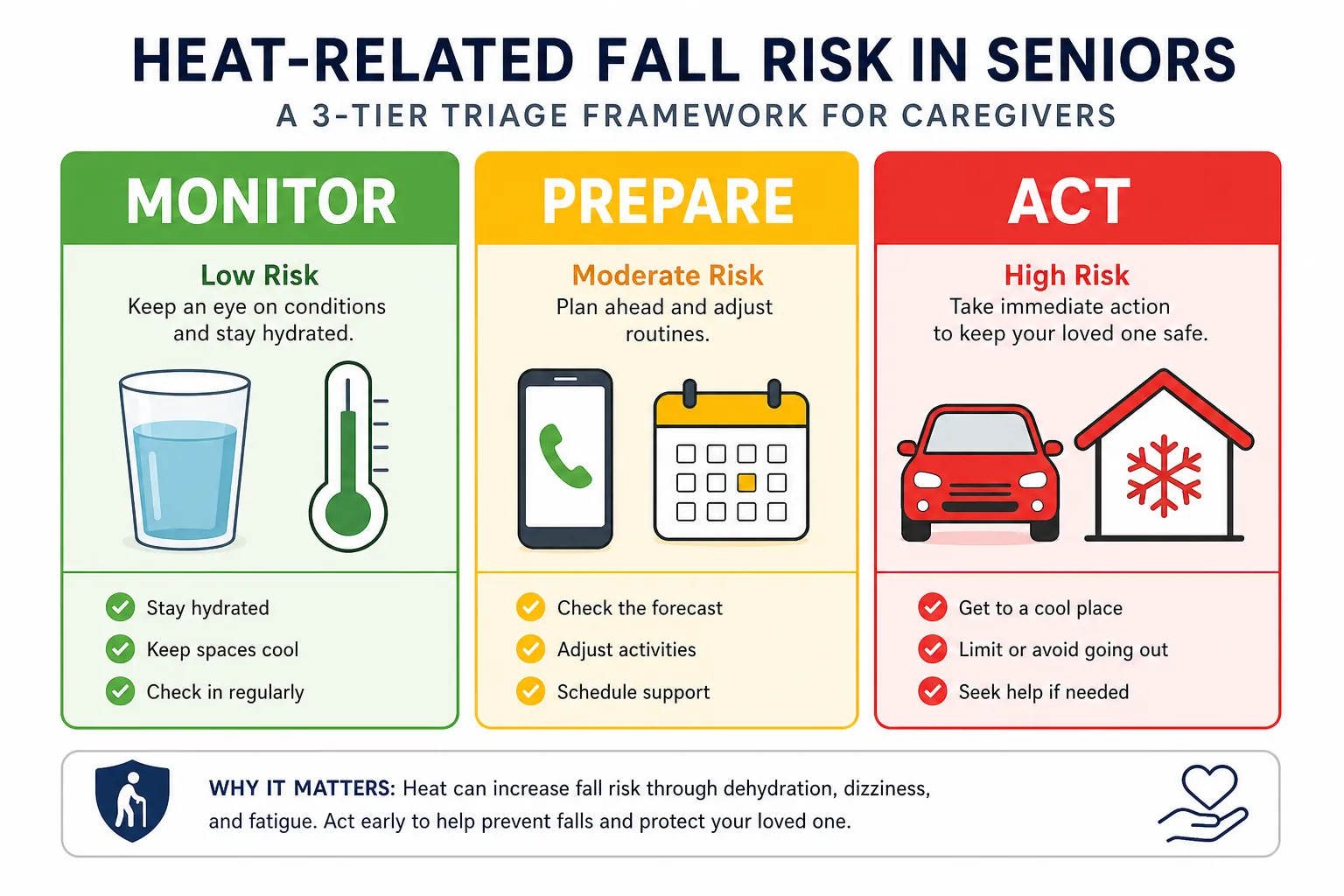
Kansas City caregivers can use this three-tier triage guide to assess a senior's risk of heat-related falls, with phone-screening questions, medication warnings, and local cooling center resources.
Intervene
 checklist
Why the 2026 Egg Recall Matters for Fall Prevention in Seniors
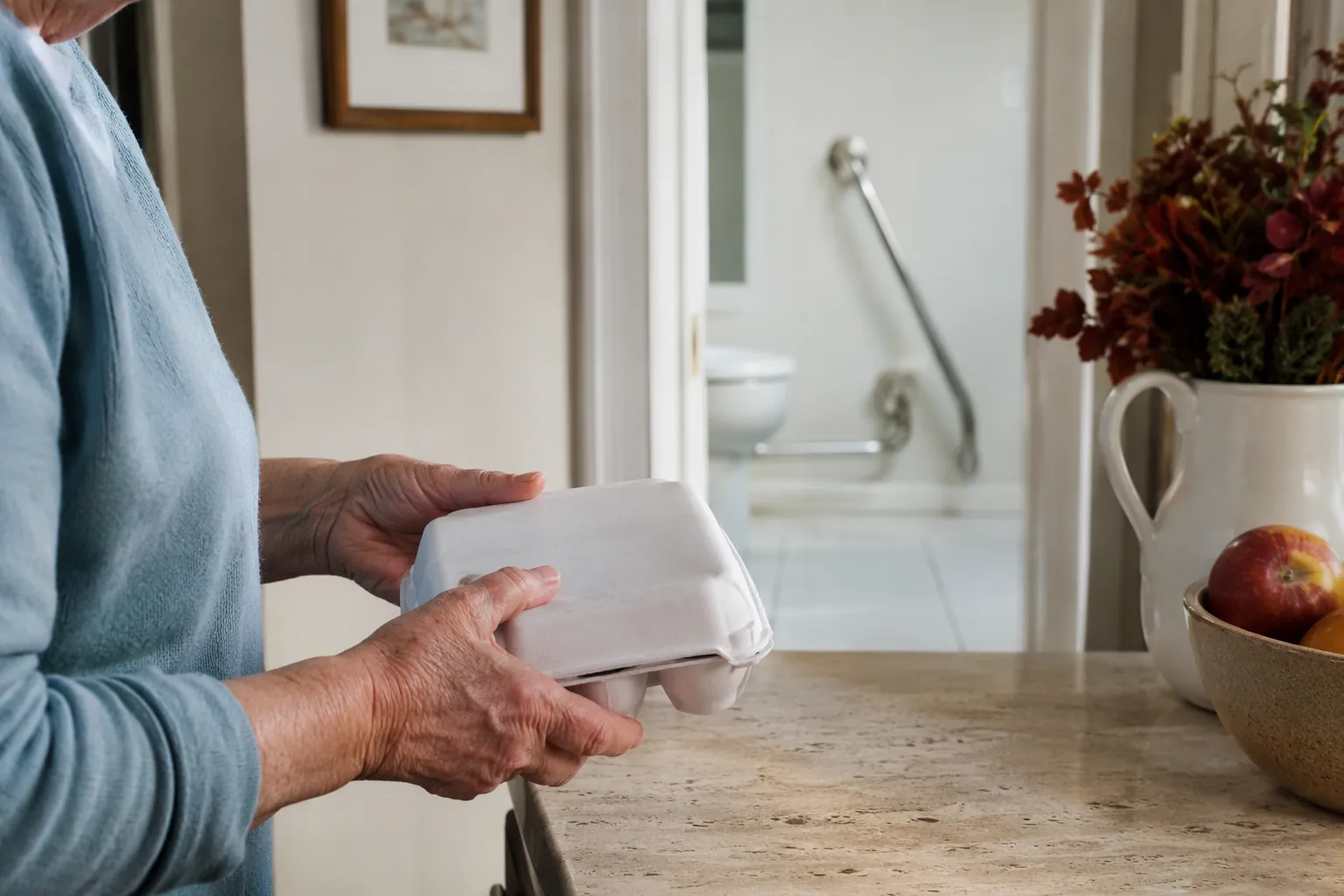
The July 2026 egg recall is more than a food-safety issue — it can also raise the risk of falls for older adults. This guide explains the physiological link between salmonella infection and falls, and provides practical steps for identifying recalled eggs, preventing dehydration, and knowing when to call a doctor.
 checklist
How Europe's 2026 heat wave increases fall risk for senior travelers
Learn how Europe's 2026 heat wave creates a compound fall hazard for older travelers through dehydration, orthostatic hypotension, slowed reflexes, and medication interactions, and get a practical prevention system for before departure and on the ground.