
Plan ahead
Home Modifications
Product-neutral, room-by-room aging-in-place guidance (entryway, bathroom, bedroom, kitchen, stairs/hallways) modeled on the AARP HomeFit checklist structure, with dimensional specifics (grab bar height and clearance, lighting placement, threshold height) drawn from ADA and CAPS standards. Each room page states what to check, what to change, and when a CAPS-credentialed professional is warranted, without naming or ranking contractors or products. Cross-links to relevant Fall Prevention risk factors and Mobility equipment comparisons.
Kitchen
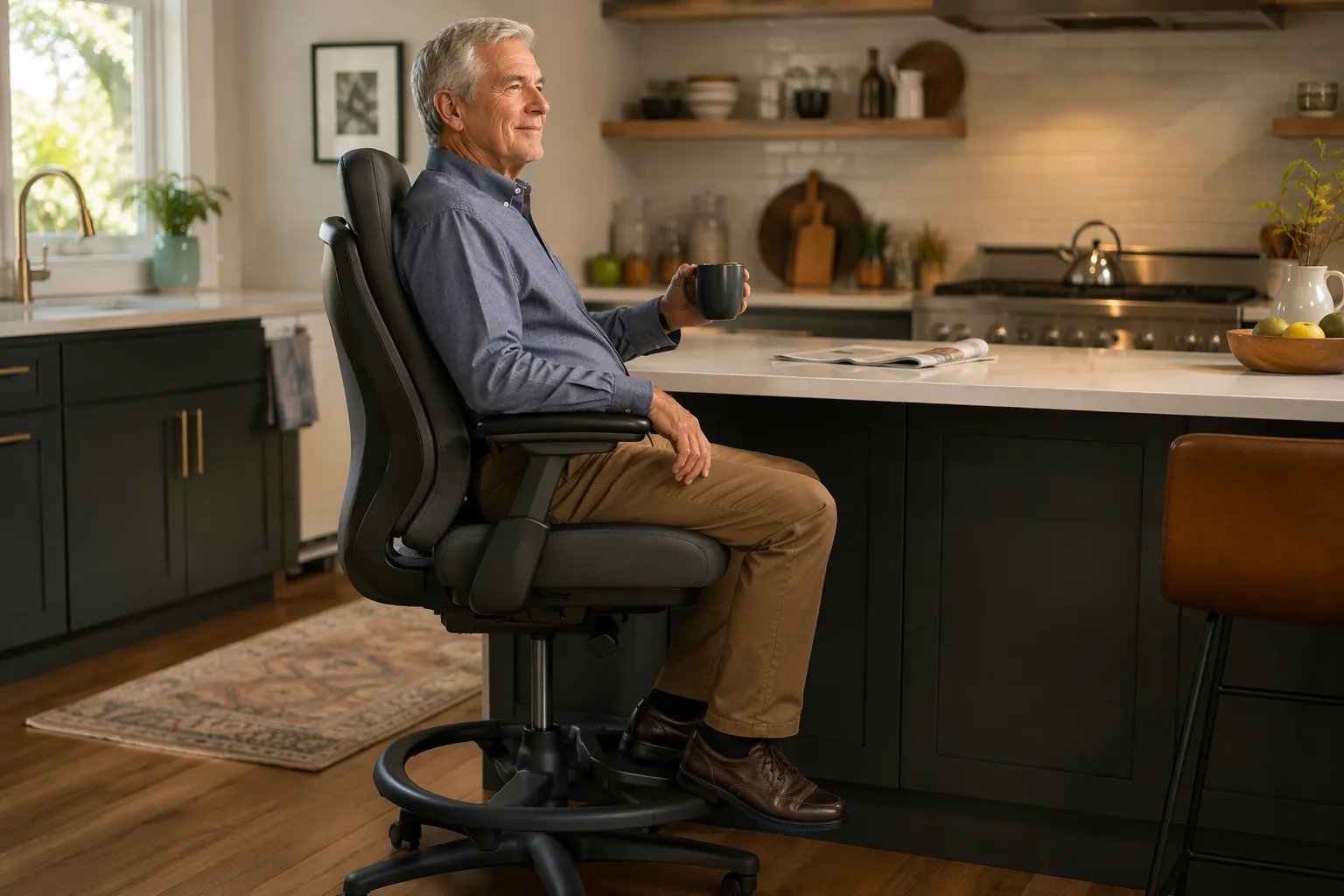 —
—How to Choose Counter Stools for Elderly with Back Pain
Choosing the wrong counter stool can worsen back pain and increase fall risk. This guide walks through the essential ergonomic and safety features — from lumbar support to stable bases — that make a stool safe and comfortable for seniors with chronic back pain.
Entryway
This room's checklist is in progress. In the meantime, the matching Fall Prevention risk factor covers general guidance.
Bathroom
This room's checklist is in progress. In the meantime, the matching Fall Prevention risk factor covers general guidance.
Bedroom
This room's checklist is in progress. In the meantime, the matching Fall Prevention risk factor covers general guidance.
Stairs And Hallways
This room's checklist is in progress. In the meantime, the matching Fall Prevention risk factor covers general guidance.
Other
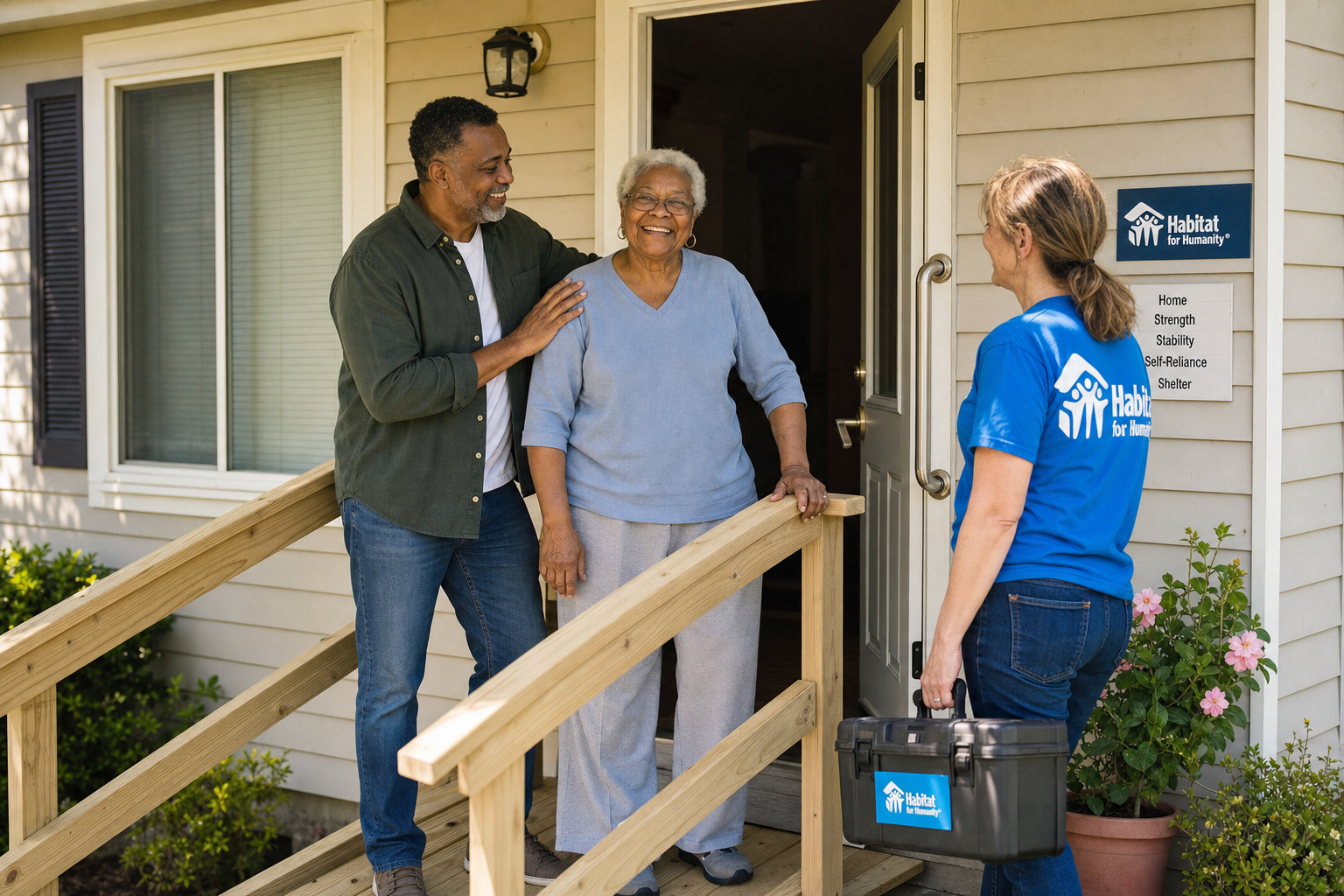
How Habitat for Humanity's Aging in Place Program Works: A Complete Guide for Families
A step-by-step guide for adult children whose aging parent needs home modifications after a fall or functional decline. Learn how Habitat for Humanity's Aging in Place program provides free or low-cost repairs through its Housing Plus model, who qualifies, what modifications are covered, and how to navigate the competitive application process.
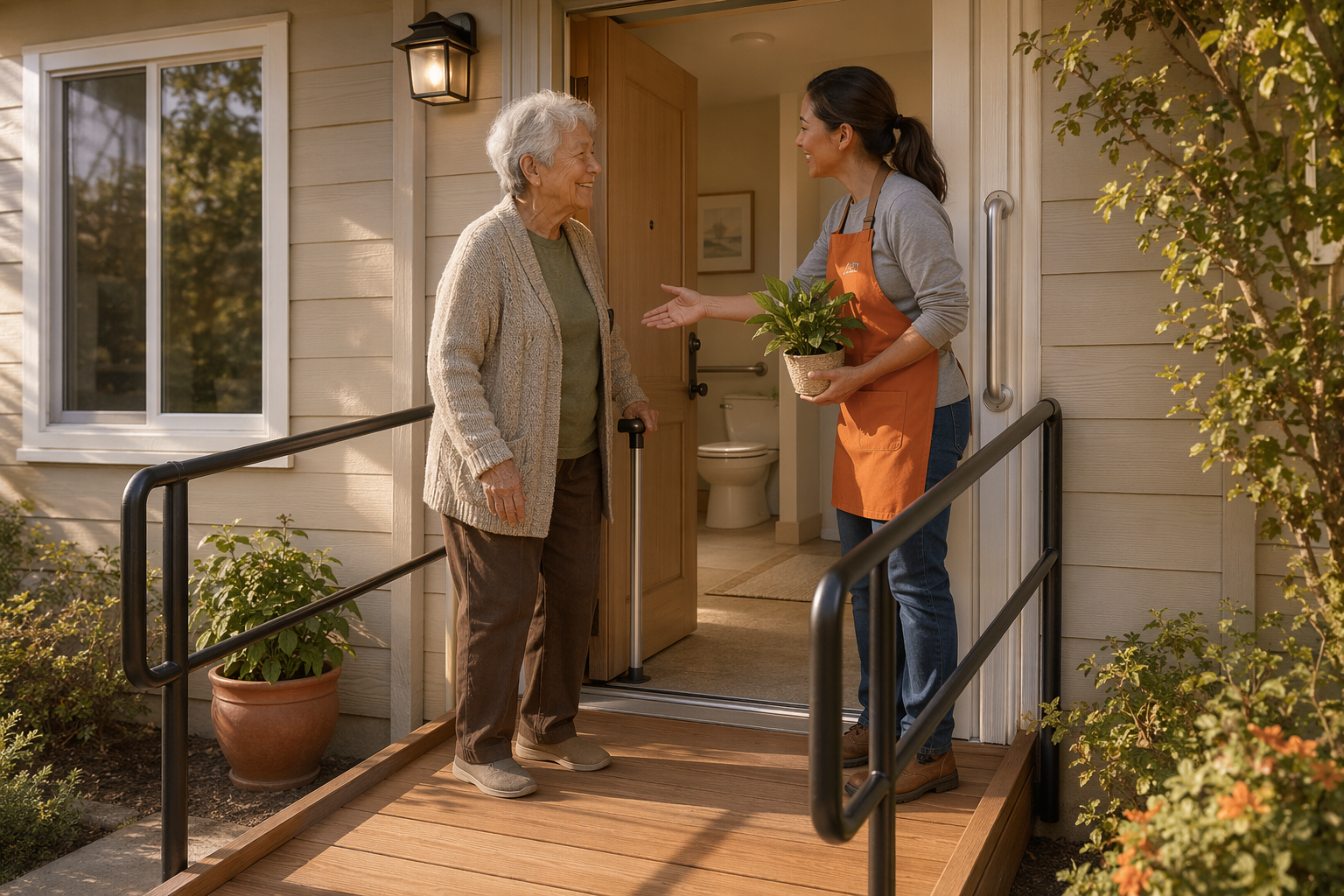
Habitat for Humanity Aging in Place vs. Government Home Repair Programs: Which Option Fits Your Senior Parent’s Situation?
A side-by-side comparison of Habitat for Humanity’s Aging in Place program, USDA Section 504, Area Agencies on Aging, and other funding sources for low-income older adults needing home modifications — with strategic guidance on eligibility, costs, and application order.
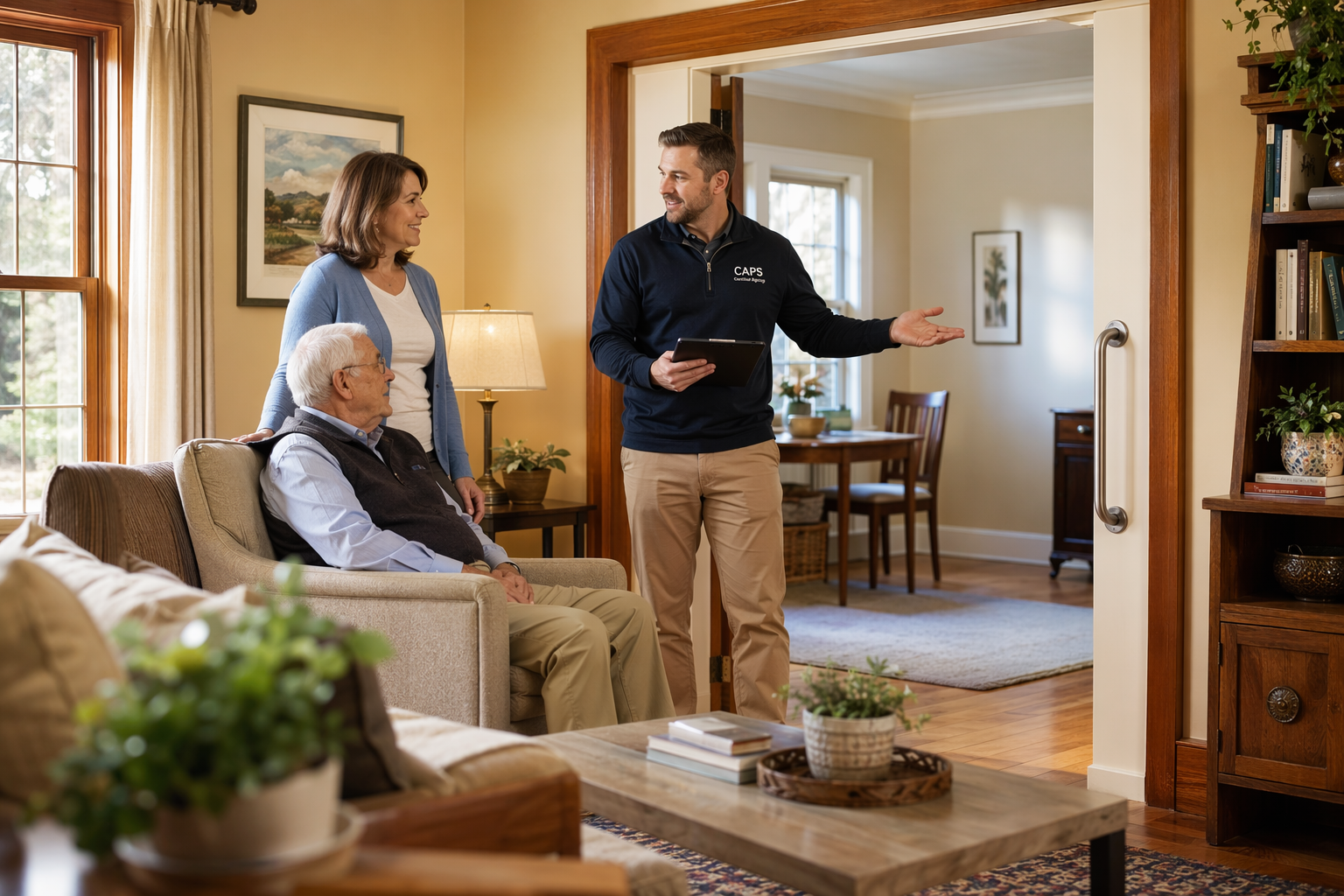
How Much Does It Cost to Hire a Certified Aging-in-Place Specialist? Real Pricing, What You Get, and How to Find Funding
A cost-focused guide for budget-conscious family caregivers and older adults evaluating aging-in-place modifications. Learn the real price ranges for CAPS assessments and common home modifications, compare them to the cost of assisted living, and discover multiple 2026 funding sources to offset expenses.
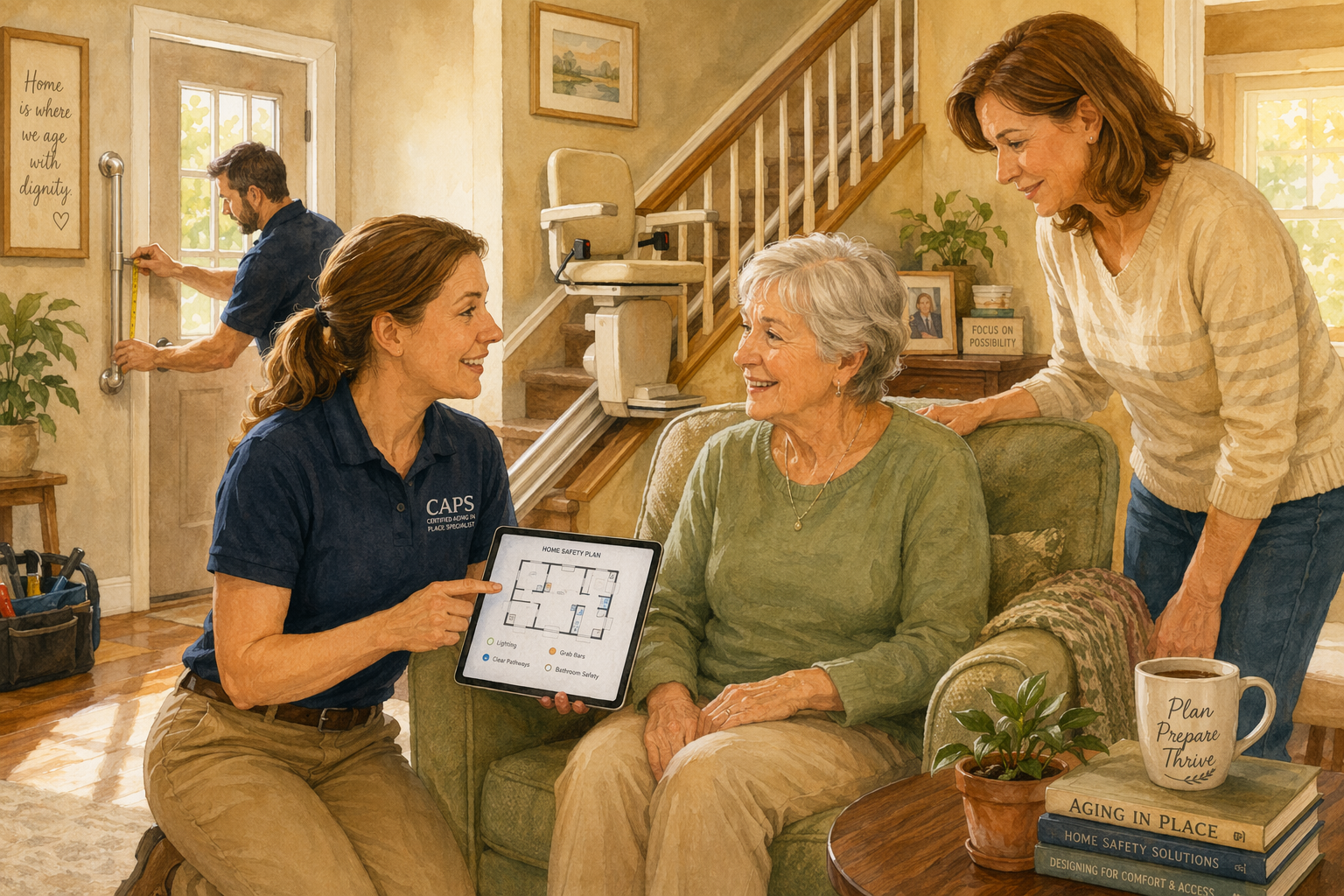
How to Find and Vet a CAPS-Certified Contractor: 10 Questions to Ask Before Hiring
A step-by-step guide for family caregivers who need to hire a CAPS-certified aging-in-place specialist quickly and safely. Covers using the NAHB directory, verifying credentials, and a 10-question interview framework to avoid common hiring mistakes.
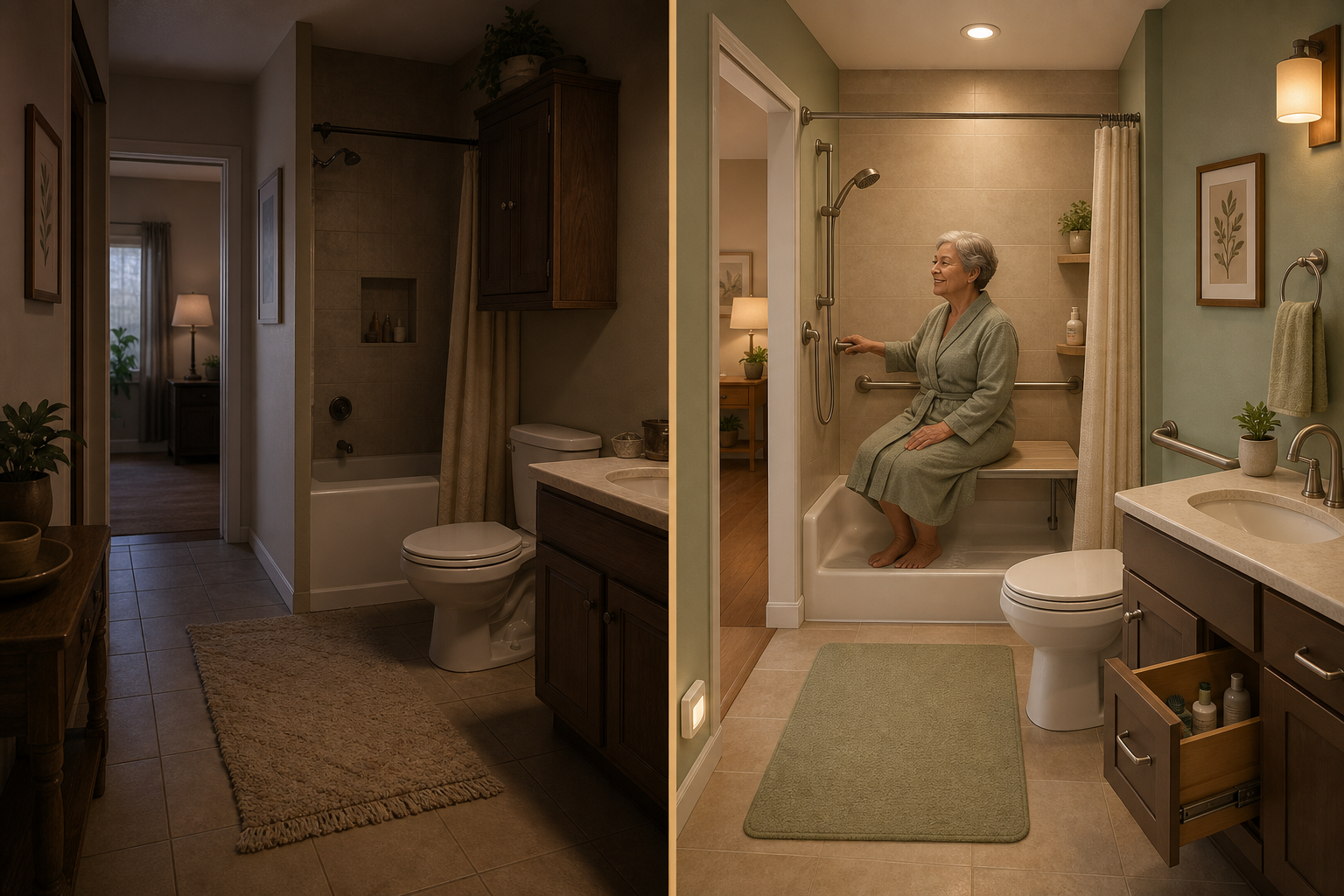
How to Pay for Aging in Place Home Modifications: A Complete Guide to Grants, Loans, Tax Deductions, and Insurance Coverage
A comprehensive guide for family caregivers and older adults on navigating the full landscape of funding sources for home modifications, including federal grants, state programs, VA benefits, tax deductions, and private financing options.
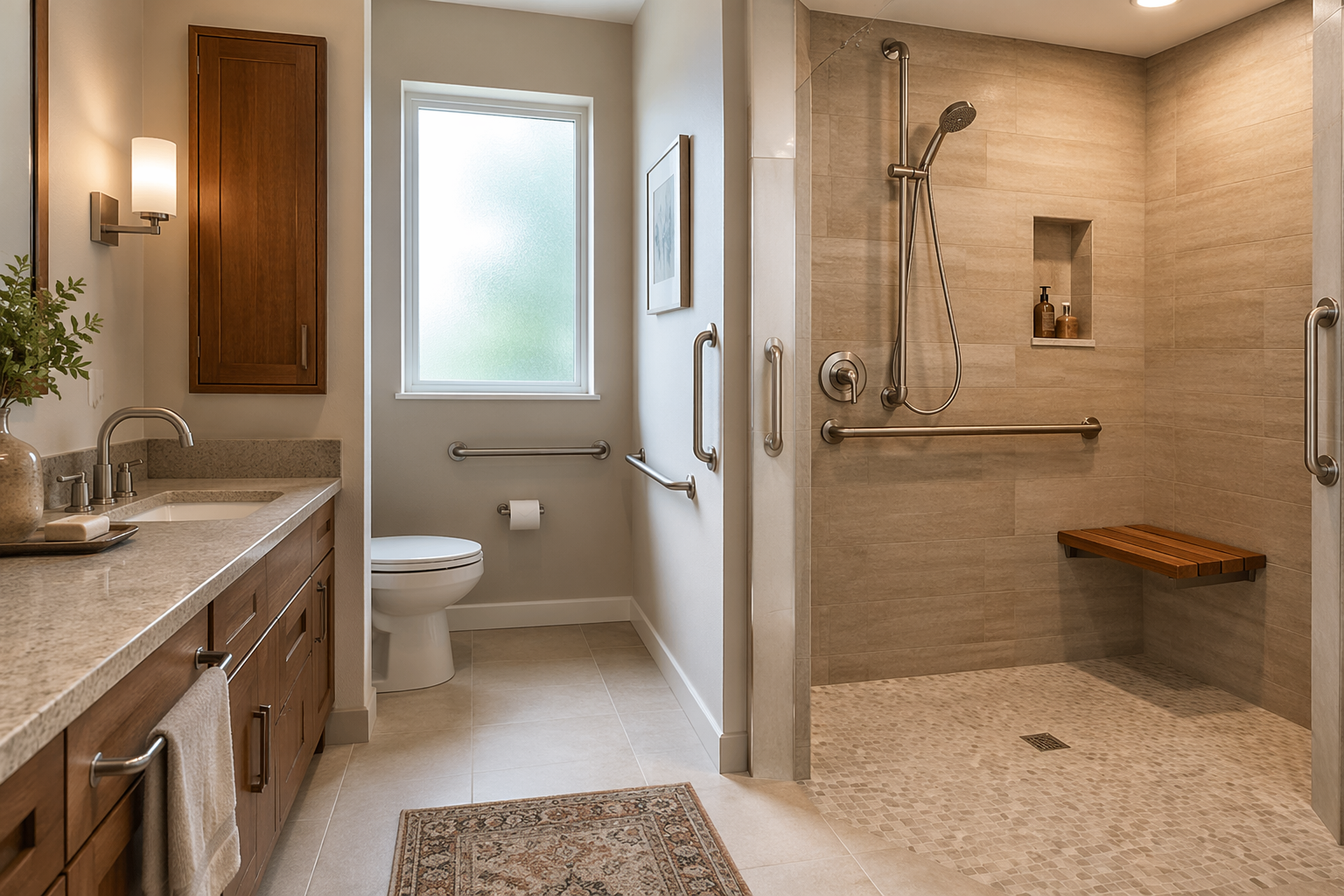
How to Pay for Aging-in-Place Remodeling: A Guide to Grants, Loans, Insurance, and Financial Assistance in 2026
Many families don't know about the funding sources available to help pay for aging-in-place home modifications. This guide covers federal grants, VA benefits, state programs, insurance coverage, and tax strategies to help you afford the changes that keep a loved one safe at home.
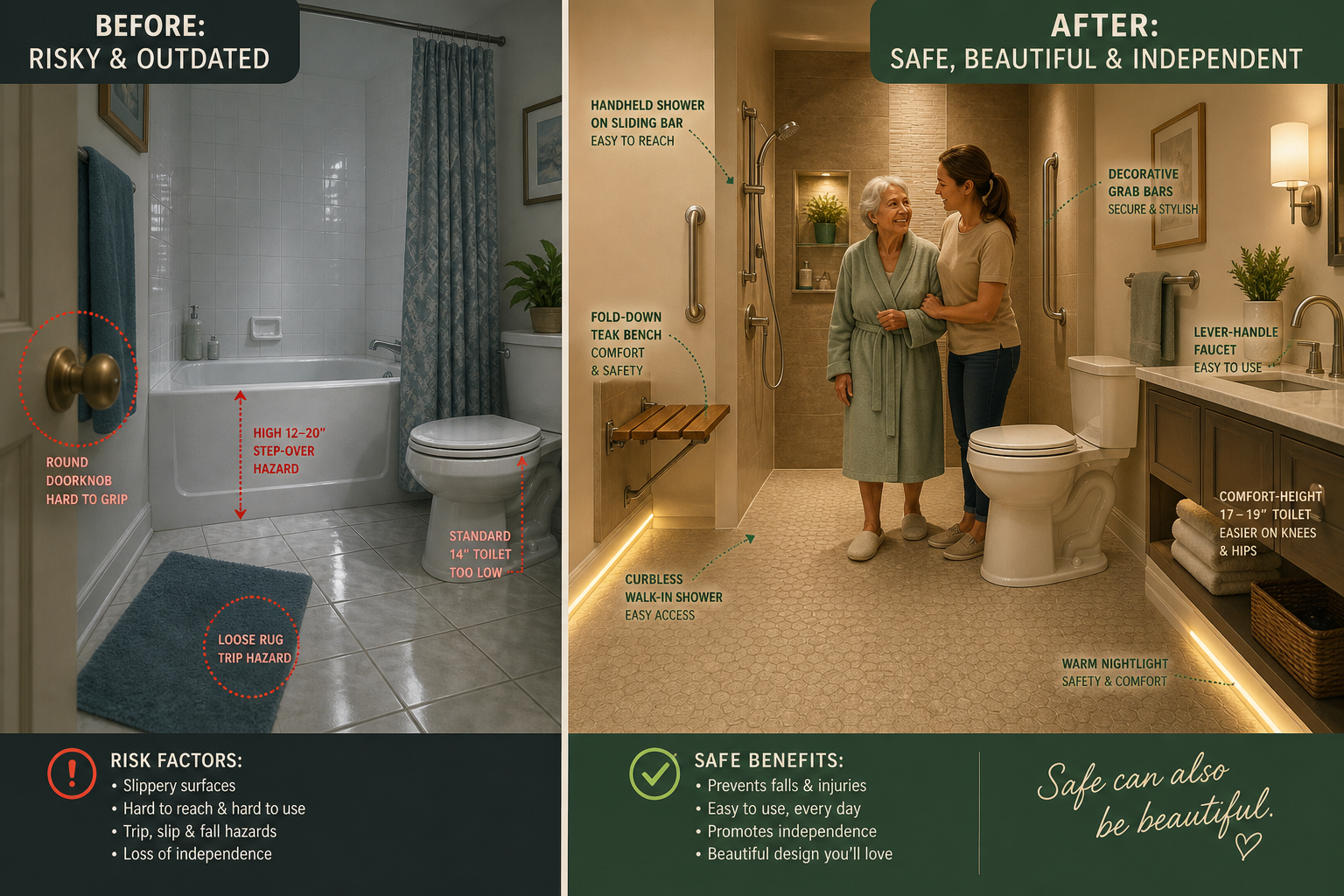
Walk-In Tub vs. Curbless Shower: Why the Evidence Favors a Zero-Threshold Shower for Most Older Adults
Walk-in tubs are heavily marketed to seniors, but the safety evidence strongly favors curbless showers for most older adults. This article compares both options across safety, cost, usability, and long-term value — helping family caregivers make an informed, evidence-based decision for their parent's bathroom remodel.
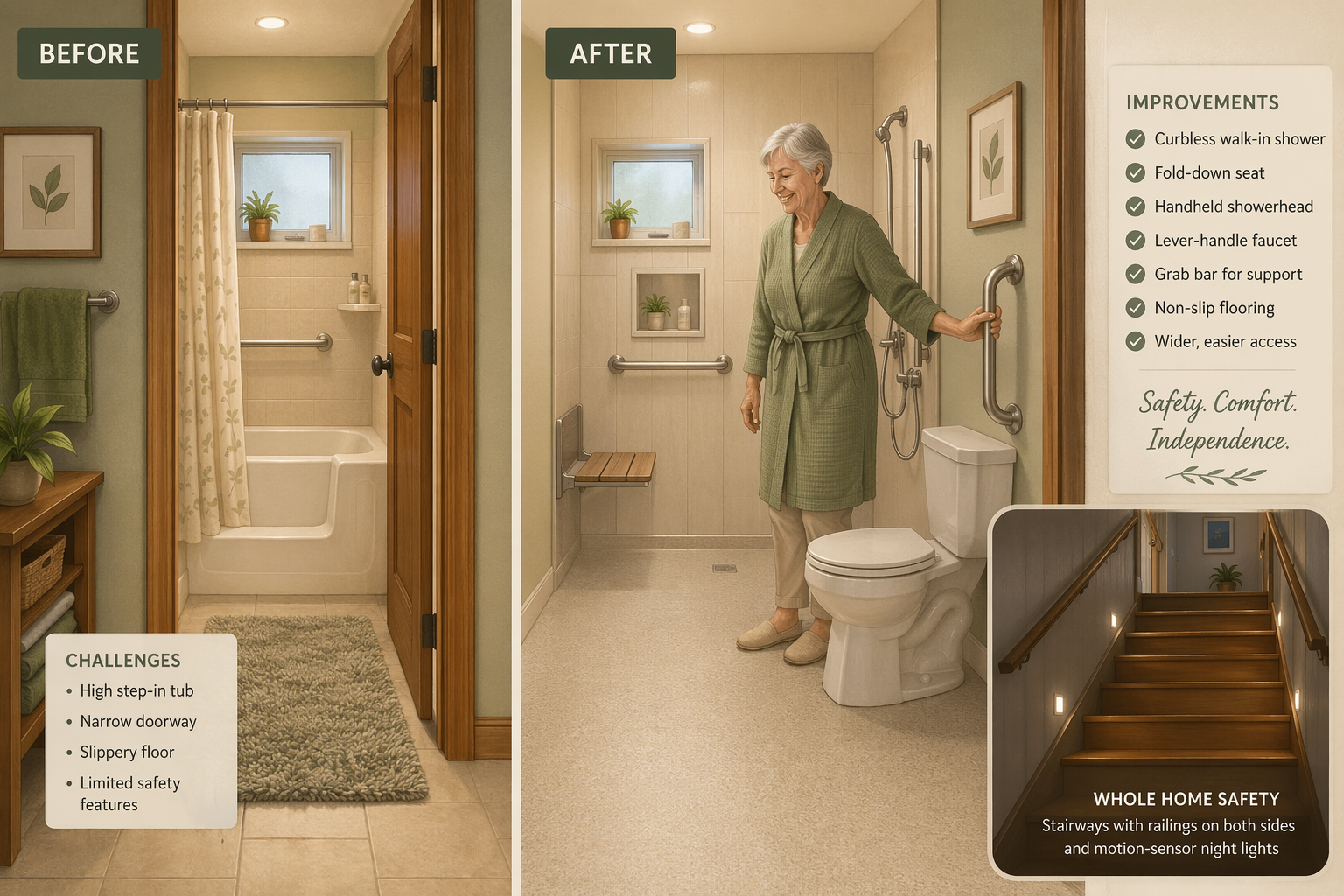
What the Research Actually Says About Aging-in-Place Home Modifications
This evidence-anchored guide critically evaluates what home modification research shows about fall prevention, functional independence, and cost-effectiveness — helping family caregivers and older adults make informed decisions based on proven outcomes rather than product recommendations.
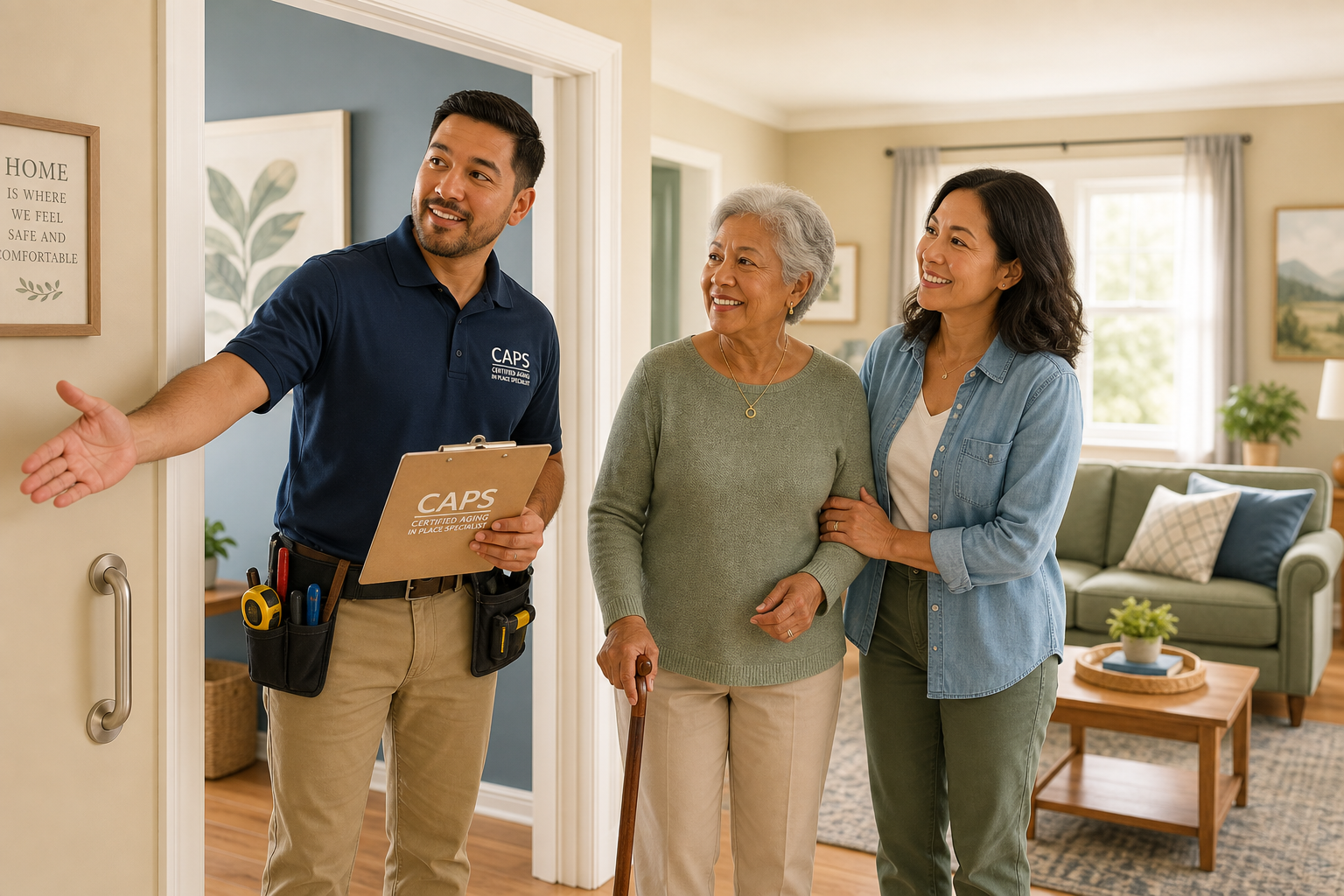
10 Signs Your Parent's Home Needs a CAPS Assessment — Before a Fall Forces the Decision
Most families wait until after a fall to call a specialist. This guide helps adult children identify the behavioral and environmental warning signs that it's time for a proactive Certified Aging-in-Place Specialist (CAPS) assessment, potentially preventing a costly and disruptive crisis.
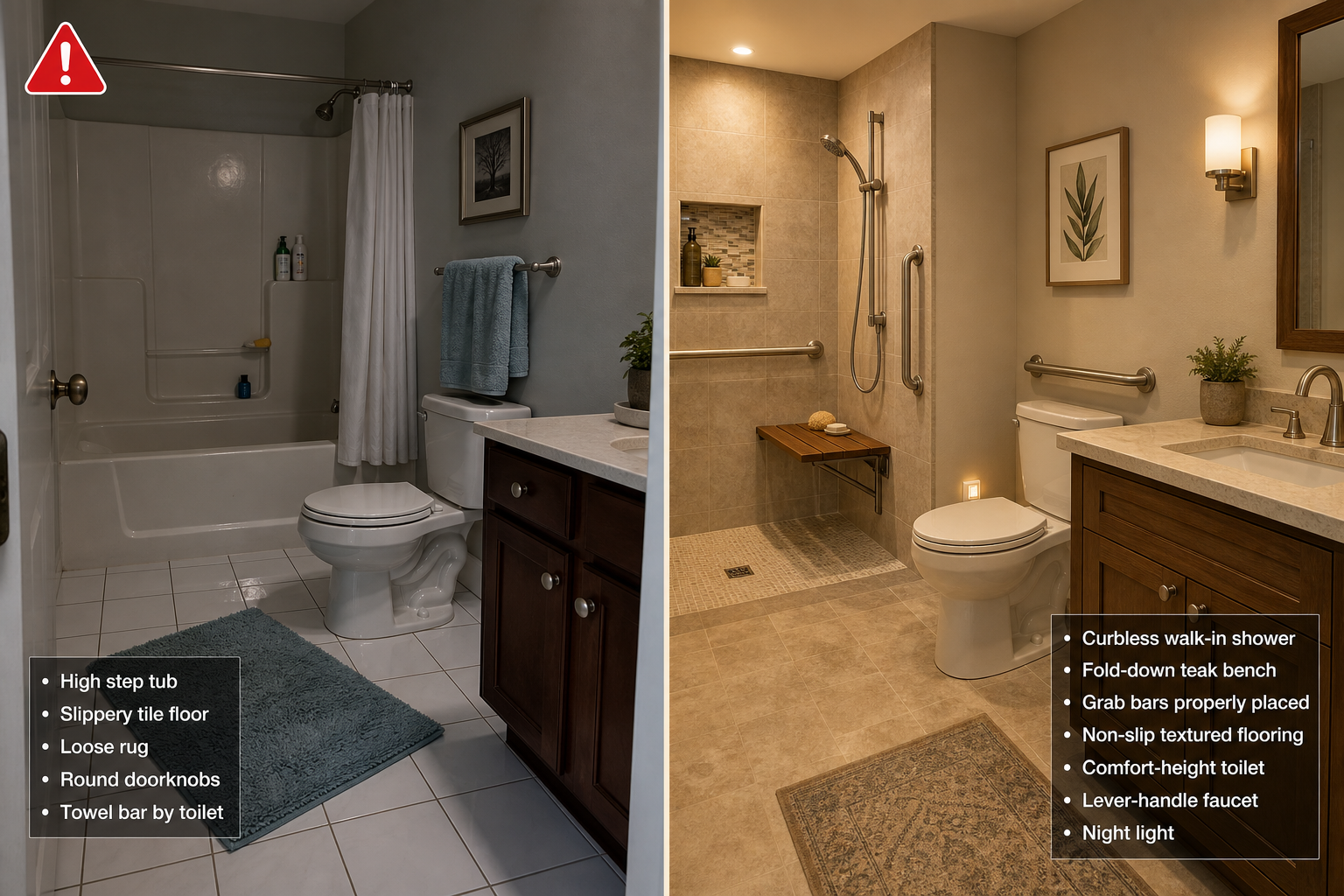
Bathroom Remodel for Elderly Parents: A Family Caregiver's Crisis Guide from Fall to Finish
After a parent's bathroom fall, the remodel decision feels overwhelming. This guide sequences what to do immediately — from medical assessment to the $1,000 emergency safety package — through a phased remodeling timeline, with communication strategies for talking to parents and avoiding common renovation mistakes.
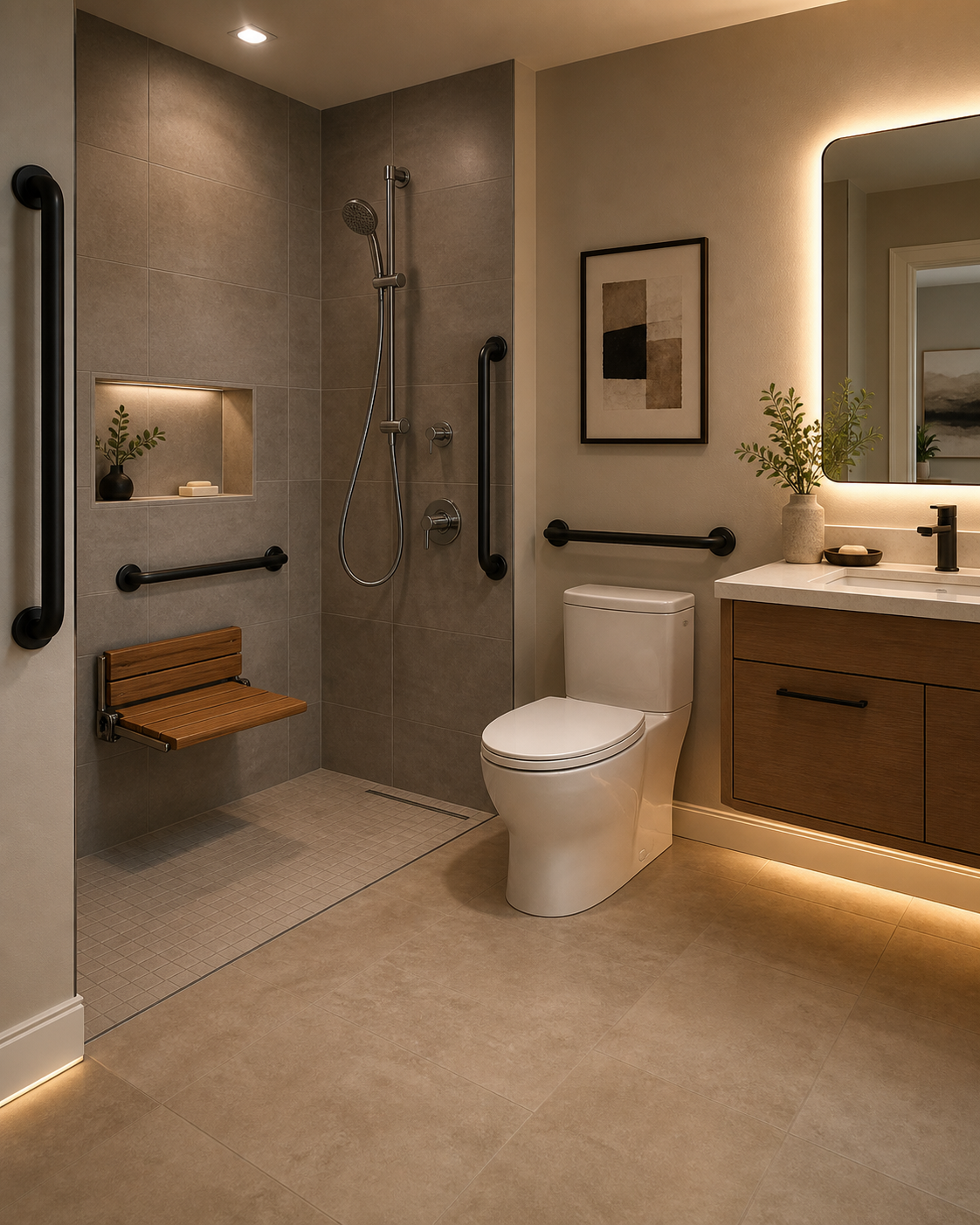
Bathroom Remodeling for Aging in Place: A Complete Decision Guide for Family Caregivers
A comprehensive decision framework for adult children planning an aging-in-place bathroom remodel for their parent. Covers the five essential modifications ranked by impact, 2026 cost ranges, walk-in shower vs. walk-in tub decisions, universal design aesthetics, CAPS contractor selection, phased implementation, and funding sources — all in one guide.