
Flagship section
Fall Prevention
The flagship section, built directly on the CDC STEADI screen-assess-intervene model. Contains the fall risk screening quiz, the post-fall decision tree for active crisis situations (conscious/responsive checks, when to call 911 vs. urgent care, what to watch for in the following 72 hours), risk-factor explainers (medication side effects, vision, balance), and numbered warning-sign guides. This is the only group that owns crisis-path content; modification and mobility groups link back here rather than duplicating triage guidance.
Plan ahead
other
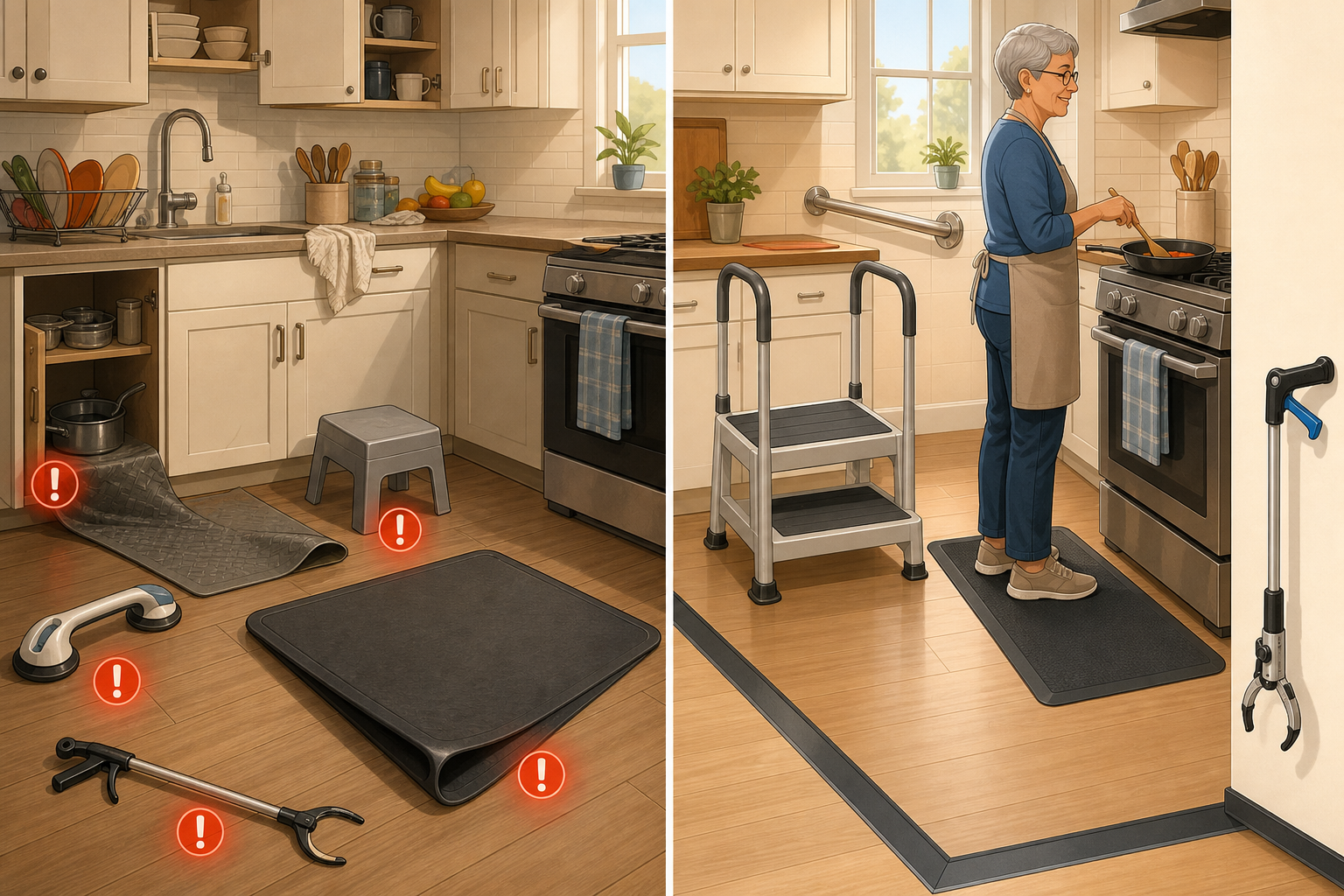 —
—5 Kitchen 'Safety' Products That Can Actually Increase Fall Risk for Seniors — and What to Use Instead
Many products marketed as fall prevention for the kitchen can paradoxically increase fall risk due to design flaws or improper installation. This guide identifies five common culprits — from non-slip mats to suction-cup grab bars — and provides evidence-based alternatives to help adult children make safer choices for their aging parents.
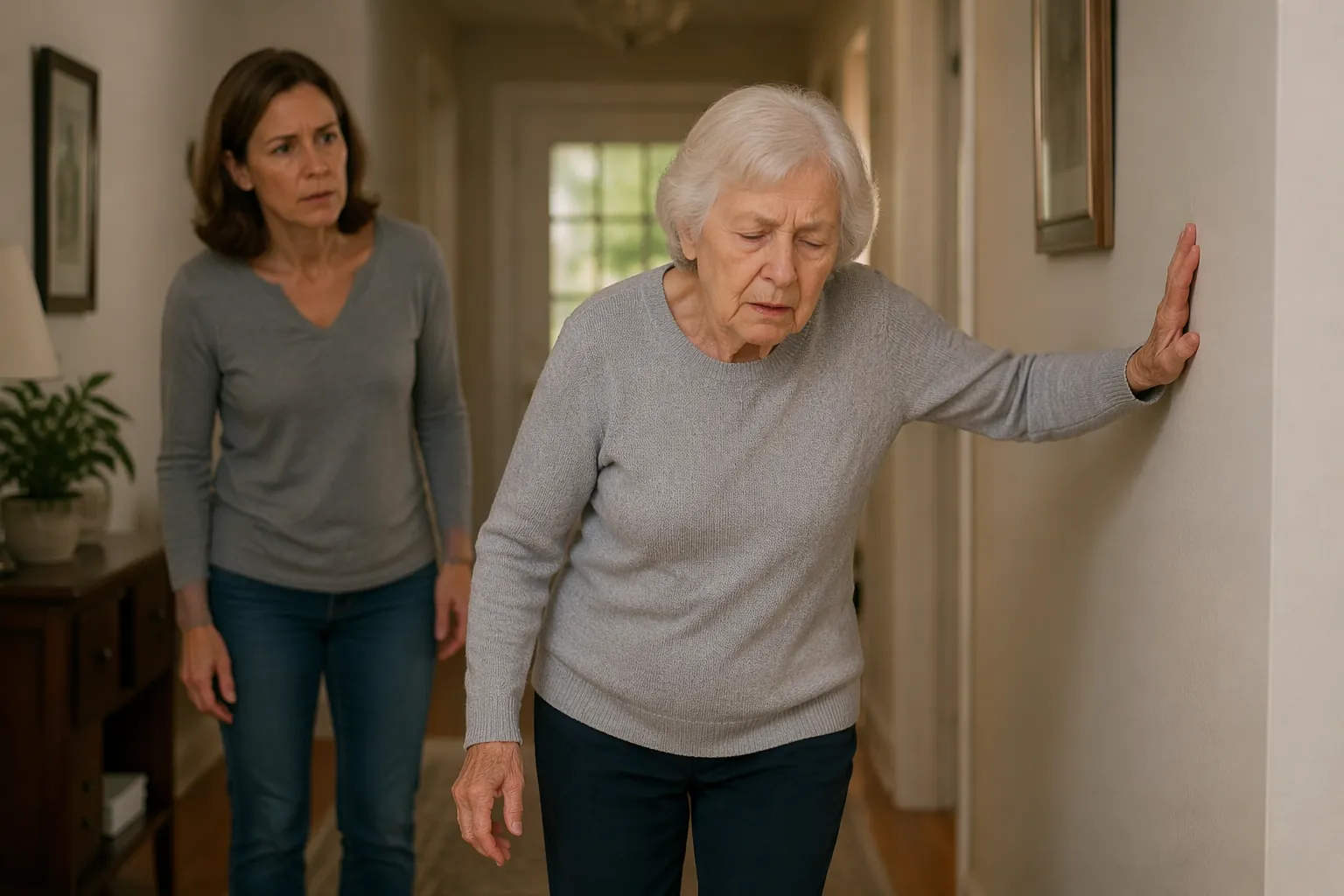 —
—Could Leukemia Be Behind Your Parent's Unexplained Falls?
Learn how undiagnosed leukemia can cause falls in older adults through anemia, fatigue, and other symptoms often mistaken for aging. Discover the warning signs and how modern treatments can reduce both cancer risk and fall risk.
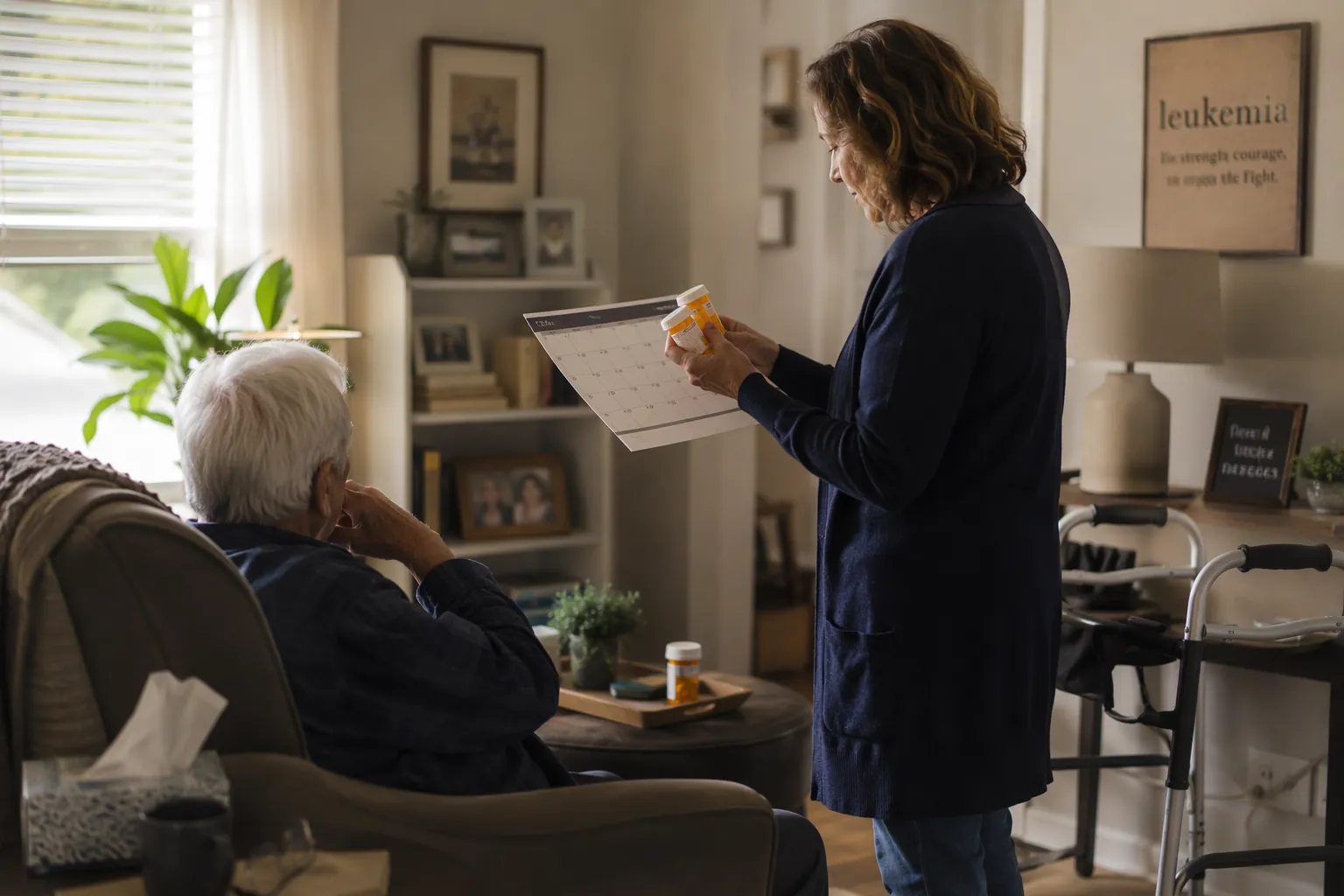 —
—How leukemia prognosis changes fall prevention for older adults
A leukemia diagnosis in an older adult increases fall risk through disease-related weakness, chemotherapy side effects, and symptom medications. This guide explains the specific risks and provides practical steps for caregivers to prevent falls during treatment.
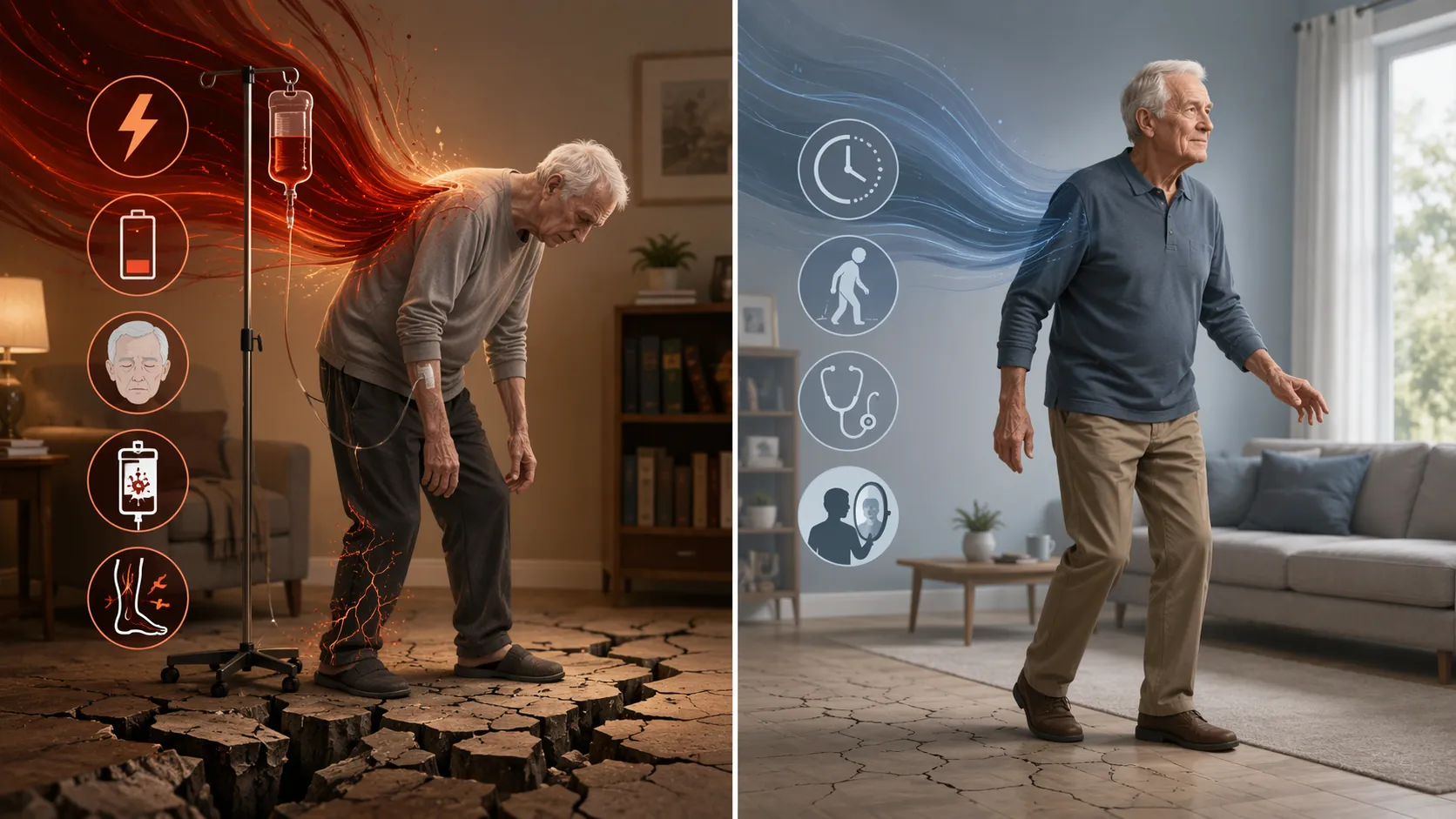 —
—Common leukemia types in elderly adults and fall risk
Two types of leukemia — acute myeloid leukemia (AML) and chronic lymphocytic leukemia (CLL) — account for most cases in older adults. This guide explains how their symptoms, especially anemia and fatigue, directly increase fall risk and how caregivers can take targeted safety steps at home.
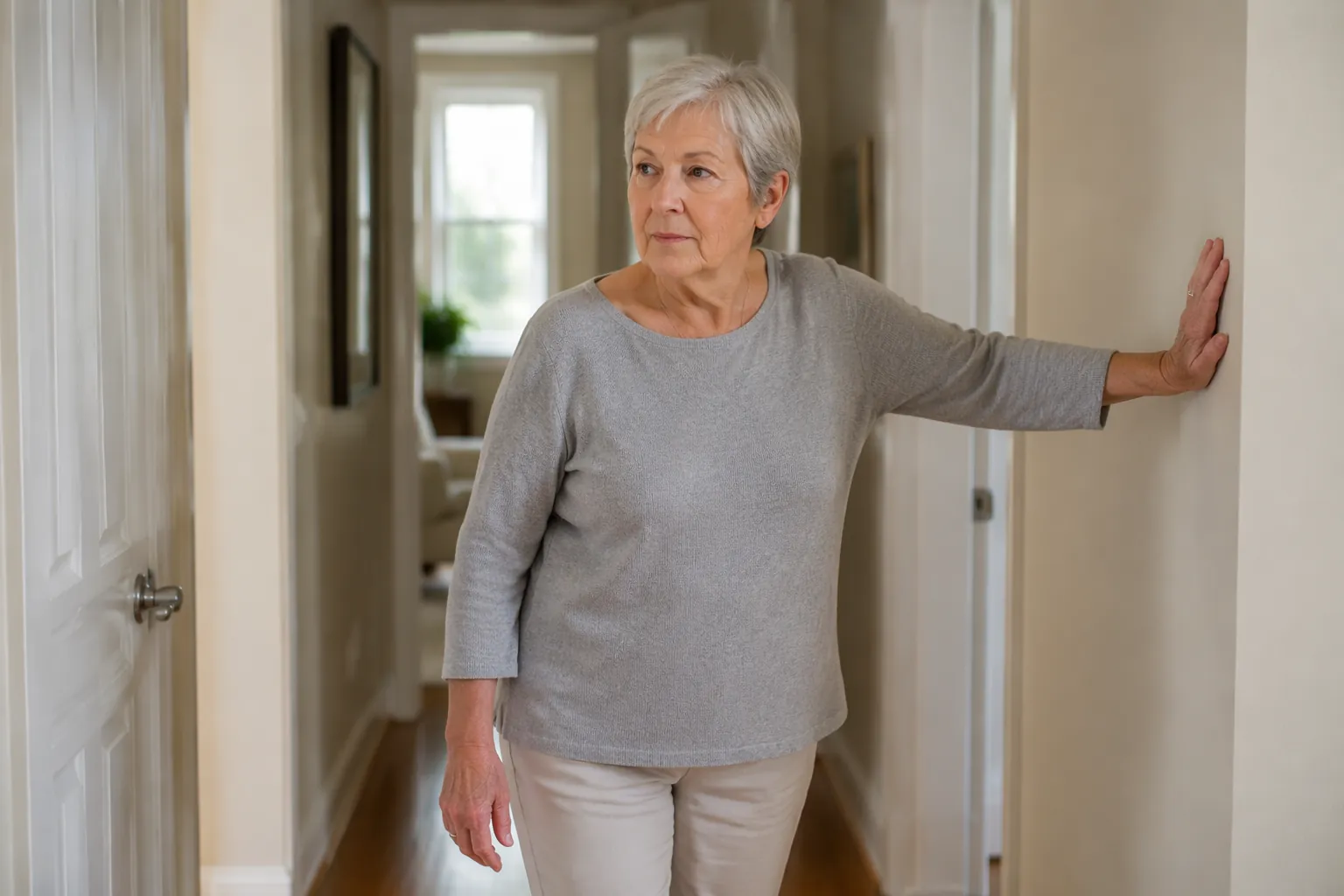 —
—Fall Prevention for Seniors with Meniere's Disease Vertigo
Falls from Meniere's disease stem from two separate threats: sudden drop attacks during vertigo and ongoing balance problems between episodes. This guide provides a crisis-response protocol for vertigo attacks and a prevention plan for between-attack management.
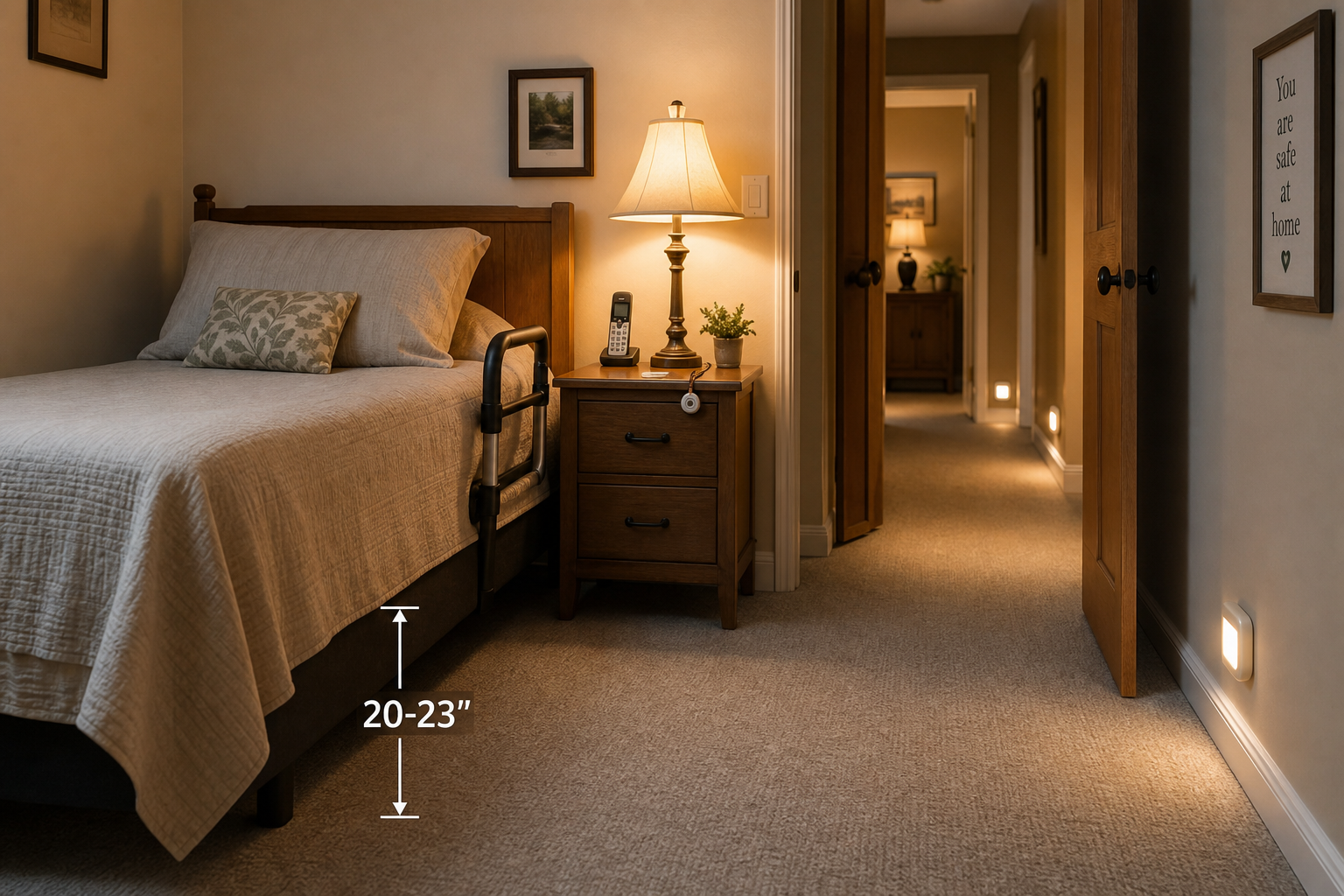 —
—Nighttime Fall Prevention: How to Make the Bed-to-Bathroom Route Safe for Older Adults
The most dangerous moment for an older adult is the nighttime trip from bed to bathroom — when grogginess, poor lighting, and urgency collide. This guide provides a focused strategy for family caregivers to reduce fall risk along that critical path.
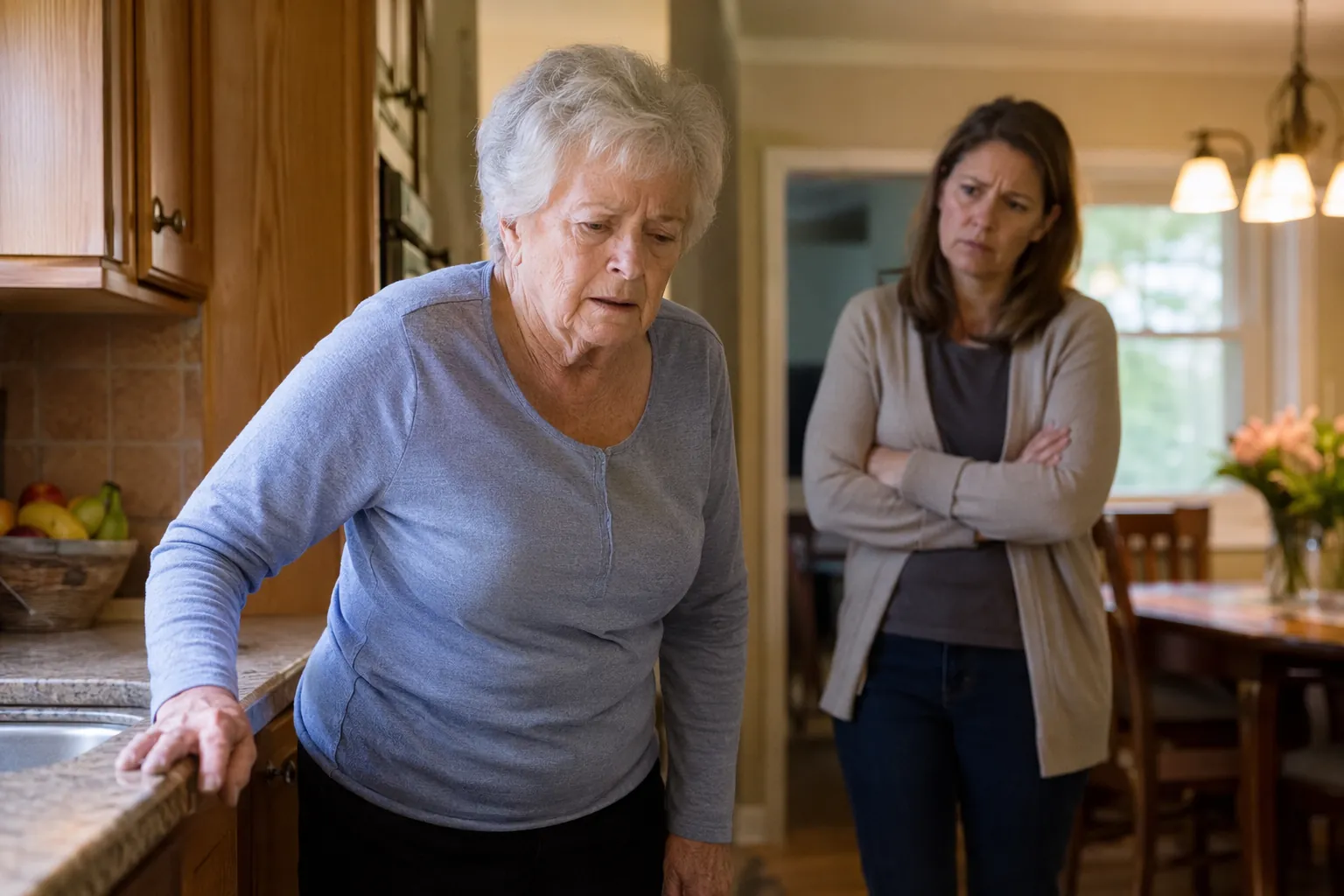 —
—Salmonella warning signs in elderly after an egg recall
Recognize salmonella warning signs in older adults after an egg recall, know when symptoms require immediate care, and understand why dehydration from salmonella can quickly trigger a fall in seniors.
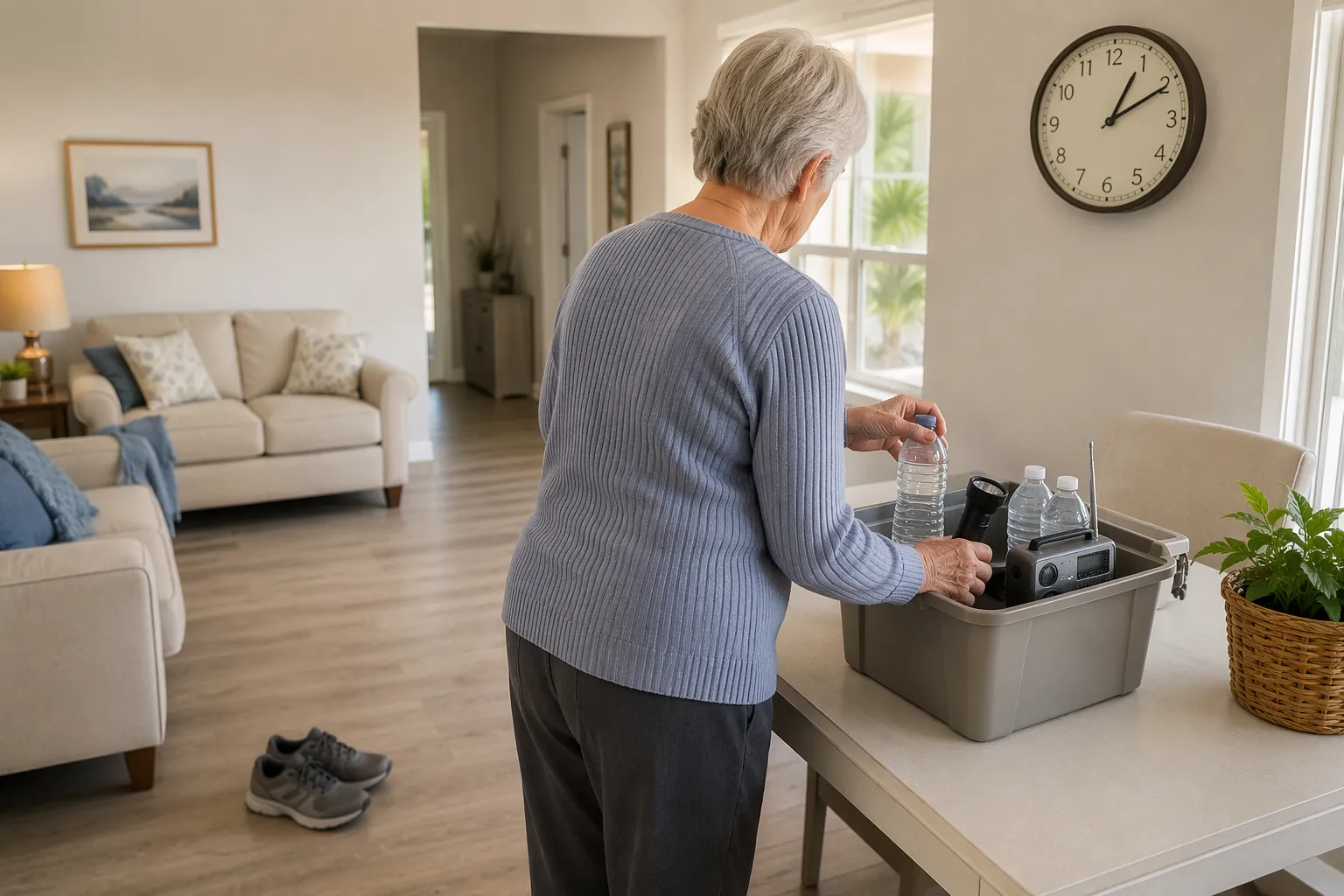 —
—What Seniors Need to Do When a Hurricane Warning Is Issued
A hurricane warning gives you exactly 36 hours to prepare before tropical-storm-force winds arrive. This guide provides a senior-specific, step-by-step action plan that embeds fall prevention into every task.
 —
—Severe Storm Fall Prevention Tips for Older Adults
Learn how to identify and eliminate the fall hazards that severe weather creates for older adults — from power-outage darkness to debris-cluttered walkways — with a pre-season safety checklist designed for family caregivers.
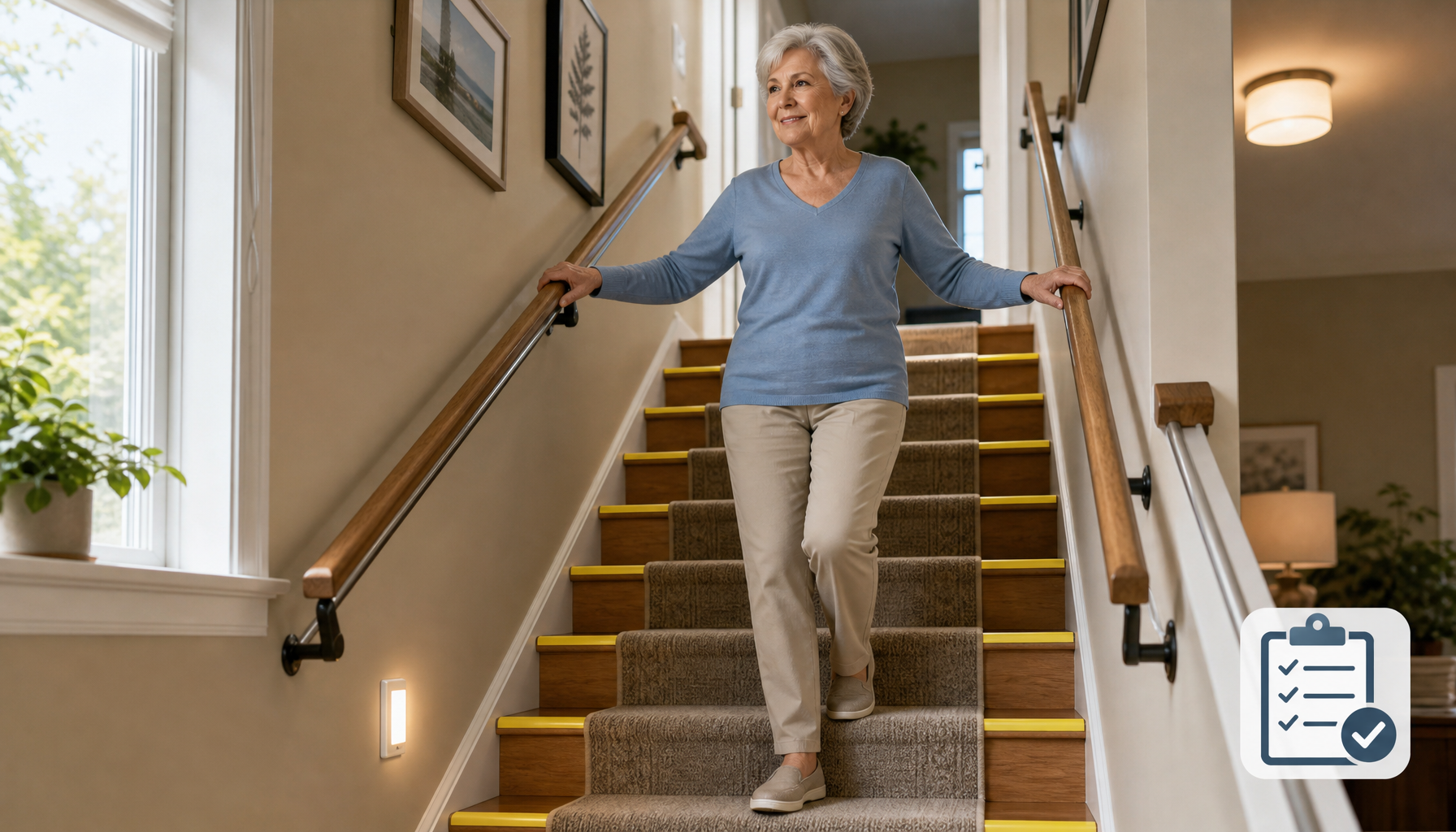 —
—Stair Safety for Seniors: When Small Fixes Are Enough — and When It’s Time for a Stair Lift
A practical decision framework for family caregivers: learn which low-cost stair modifications can prevent most falls, understand the clinical signs that a stair lift may be needed, and get a clear checklist to know when stairs are no longer safe.
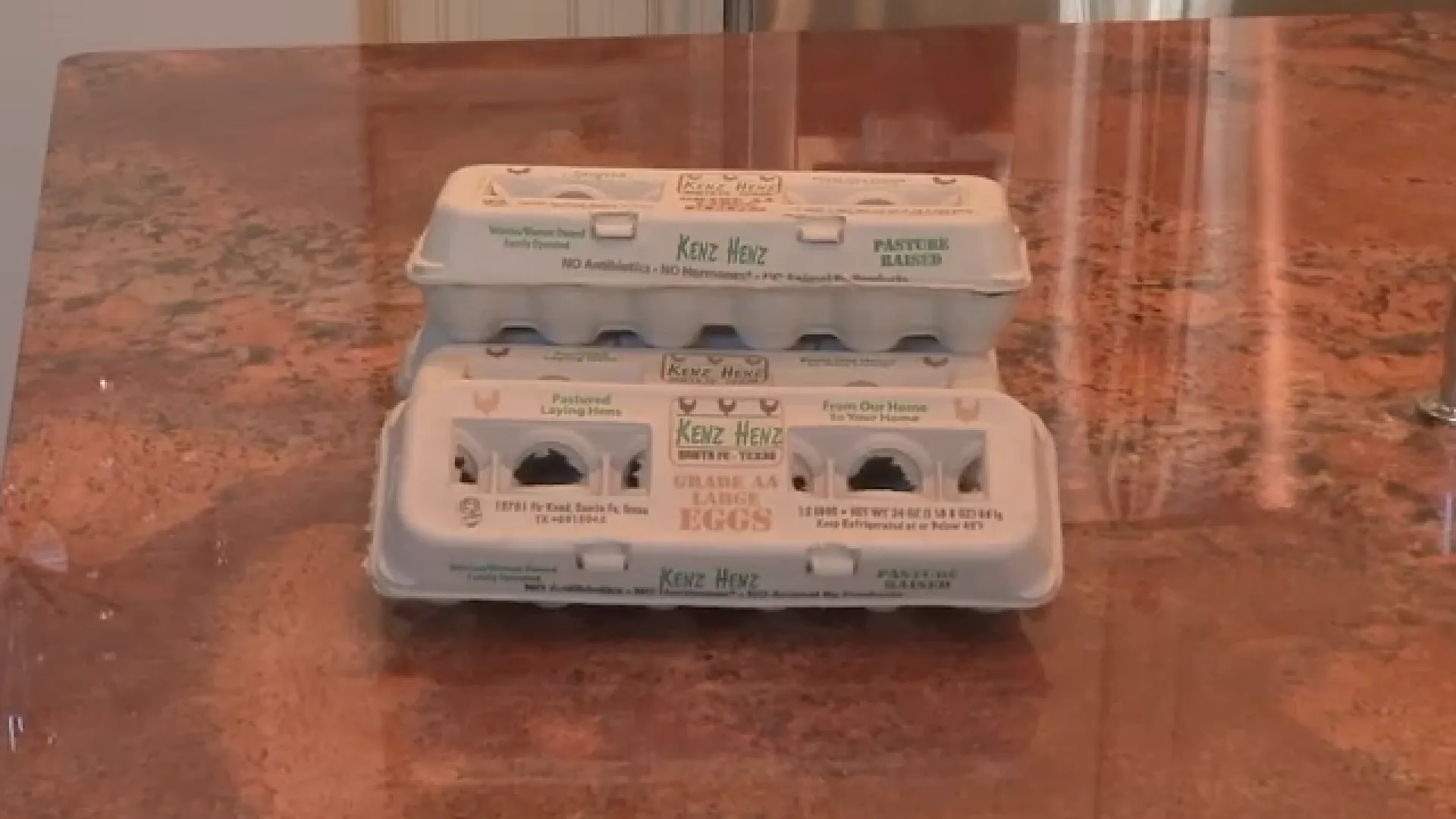 —
—What Symptoms Seniors Should Watch for After the Texas Egg Recall
If your elderly parent may have consumed recalled Texas eggs, learn which Salmonella symptoms to monitor and why rapid fluid loss from infection can create a hidden, preventable fall risk.
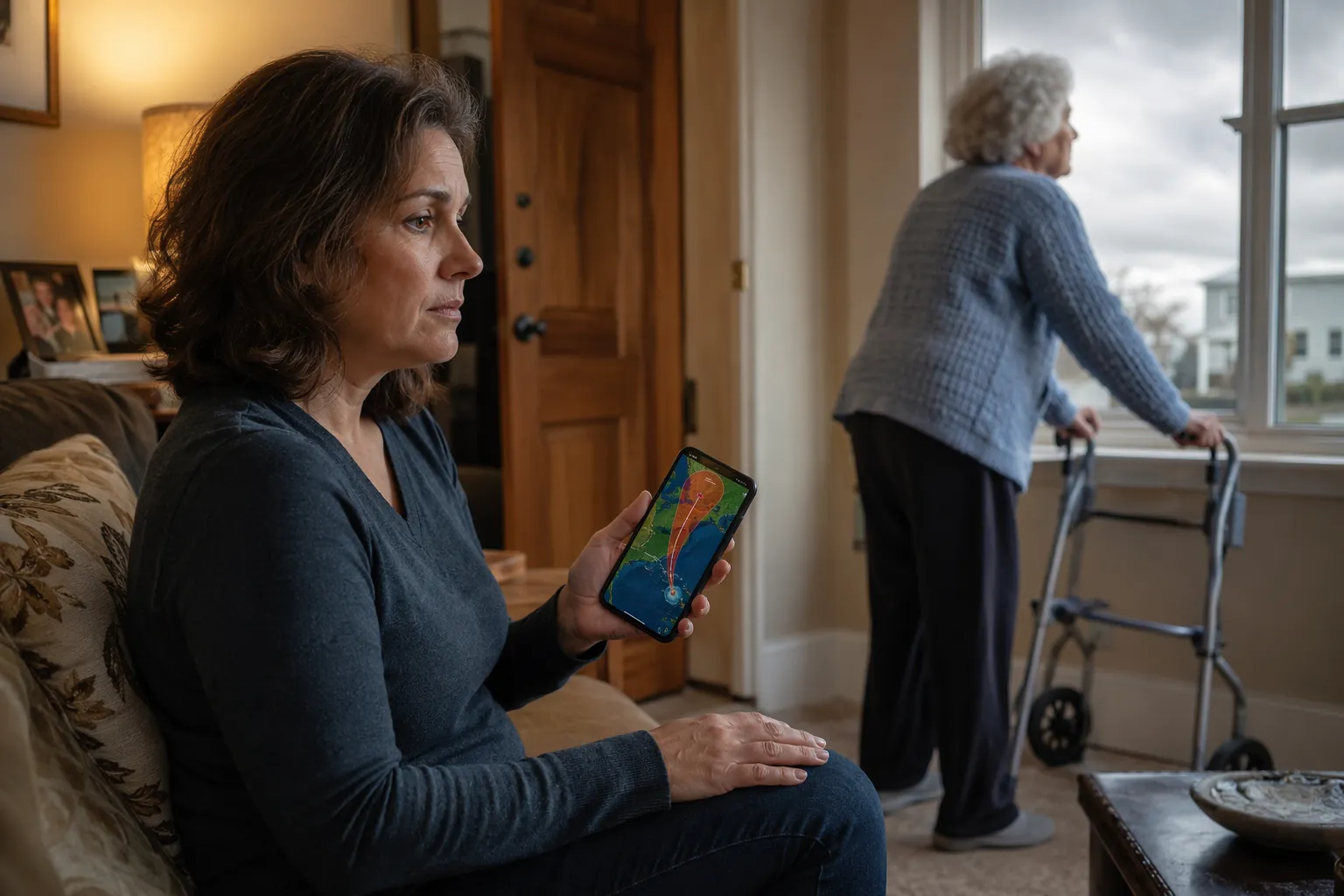 —
—Track a Tropical Storm: When to Evacuate Your Elderly Parent
Learn how to monitor an approaching tropical storm's NHC cone, wind probability maps, and advisory cadence, then map each stage to a concrete evacuation action for your elderly relative — starting at the 48-hour watch, not the 36-hour warning.