
Flagship section
Fall Prevention
The flagship section, built directly on the CDC STEADI screen-assess-intervene model. Contains the fall risk screening quiz, the post-fall decision tree for active crisis situations (conscious/responsive checks, when to call 911 vs. urgent care, what to watch for in the following 72 hours), risk-factor explainers (medication side effects, vision, balance), and numbered warning-sign guides. This is the only group that owns crisis-path content; modification and mobility groups link back here rather than duplicating triage guidance.
Act now
 checklist
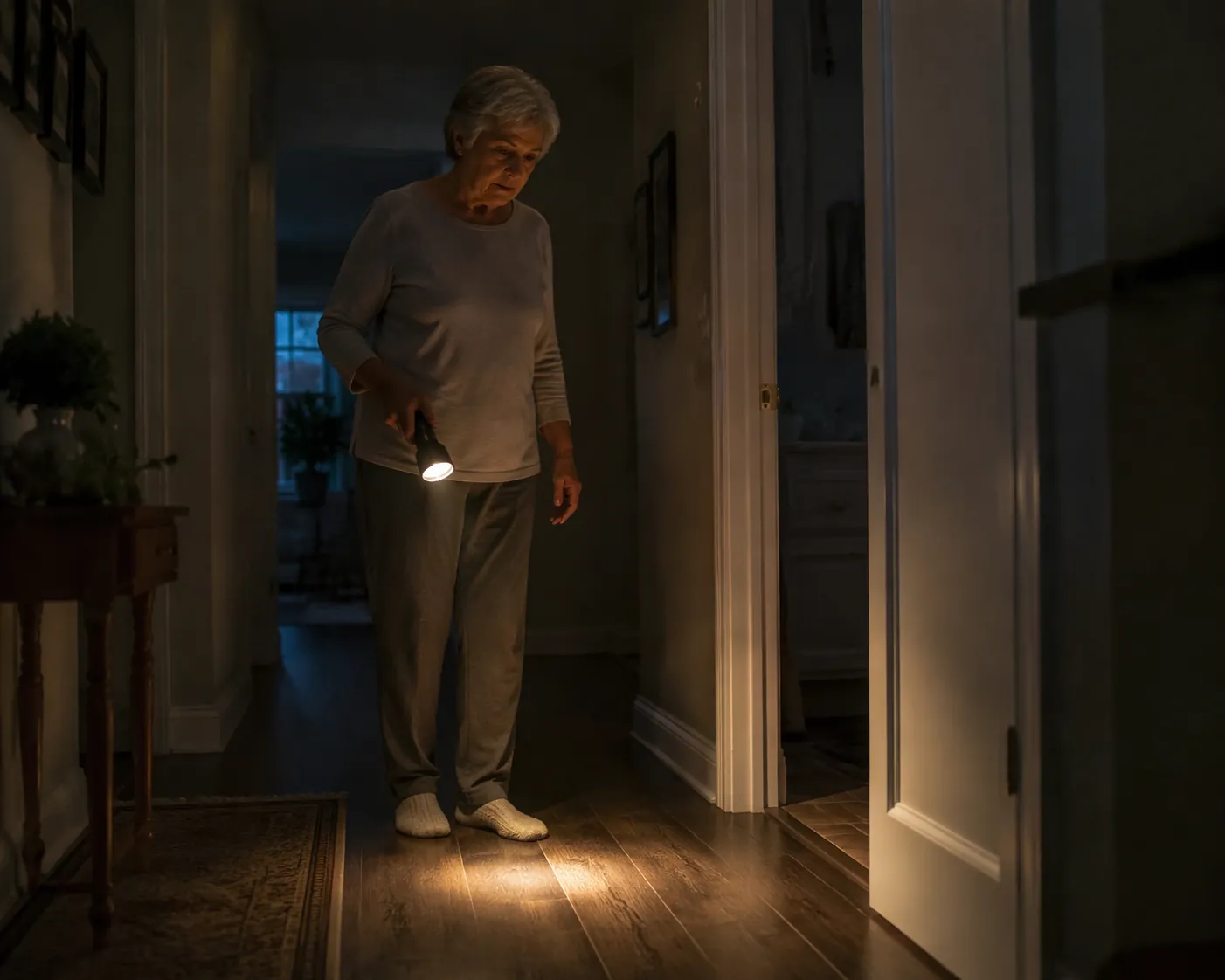
7 Things Seniors Should Do Immediately When the Power Goes Out
When the power goes out, an older adult's highest risk is falling in the dark. This article provides a numbered crisis sequence starting with staying still and lighting the path, then securing medications, food, and communication — with fall prevention as the top priority.
Plan ahead
Assess
 checklist
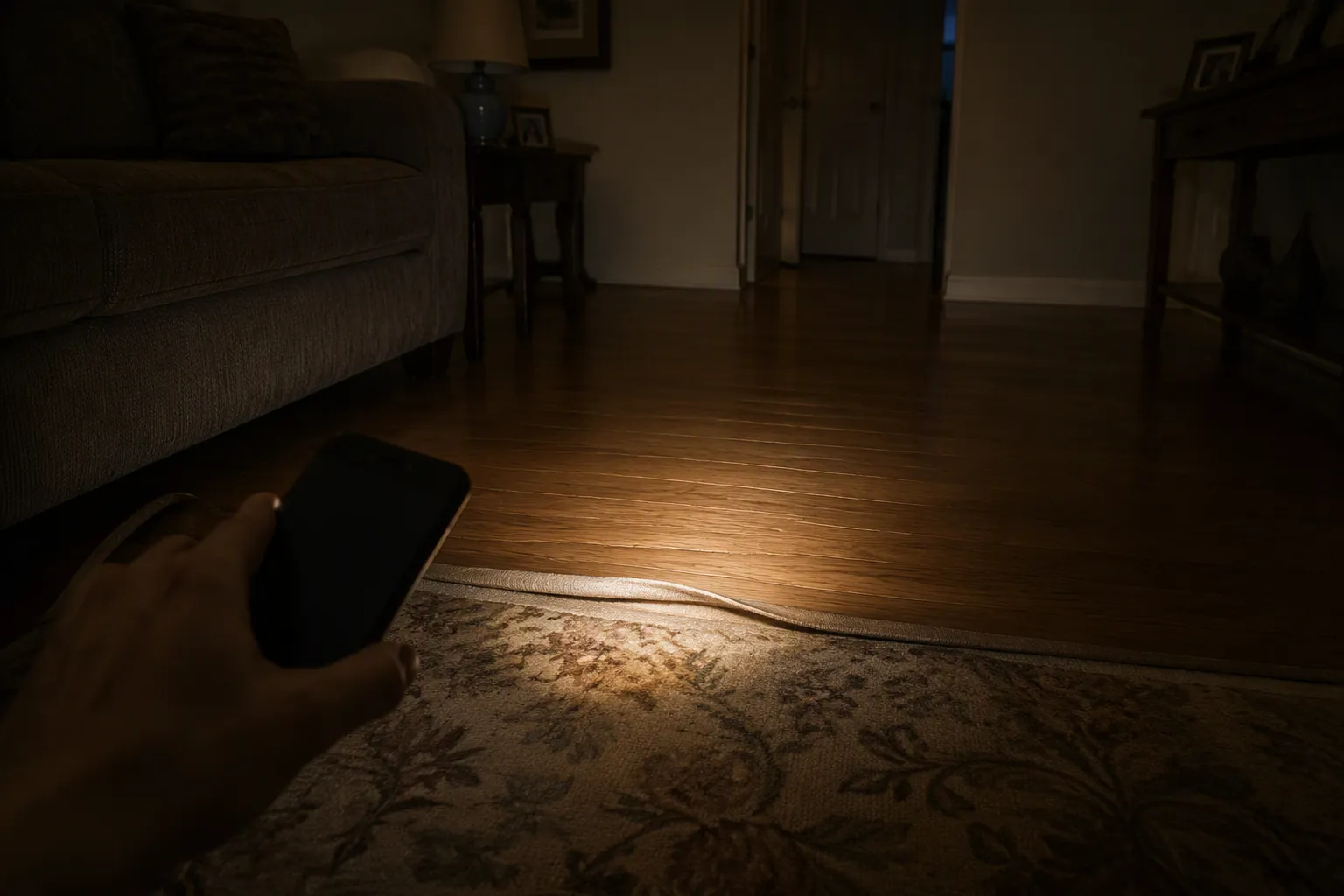
How to Fall-Proof Your Parent's Home Before a Power Outage
A blackout simulation walkthrough using tactile checks and flash photography helps caregivers find fall hazards standard daytime checklists miss. Fix them room by room with cost-ranked solutions before emergency delays make injury more dangerous.
Intervene
 checklist
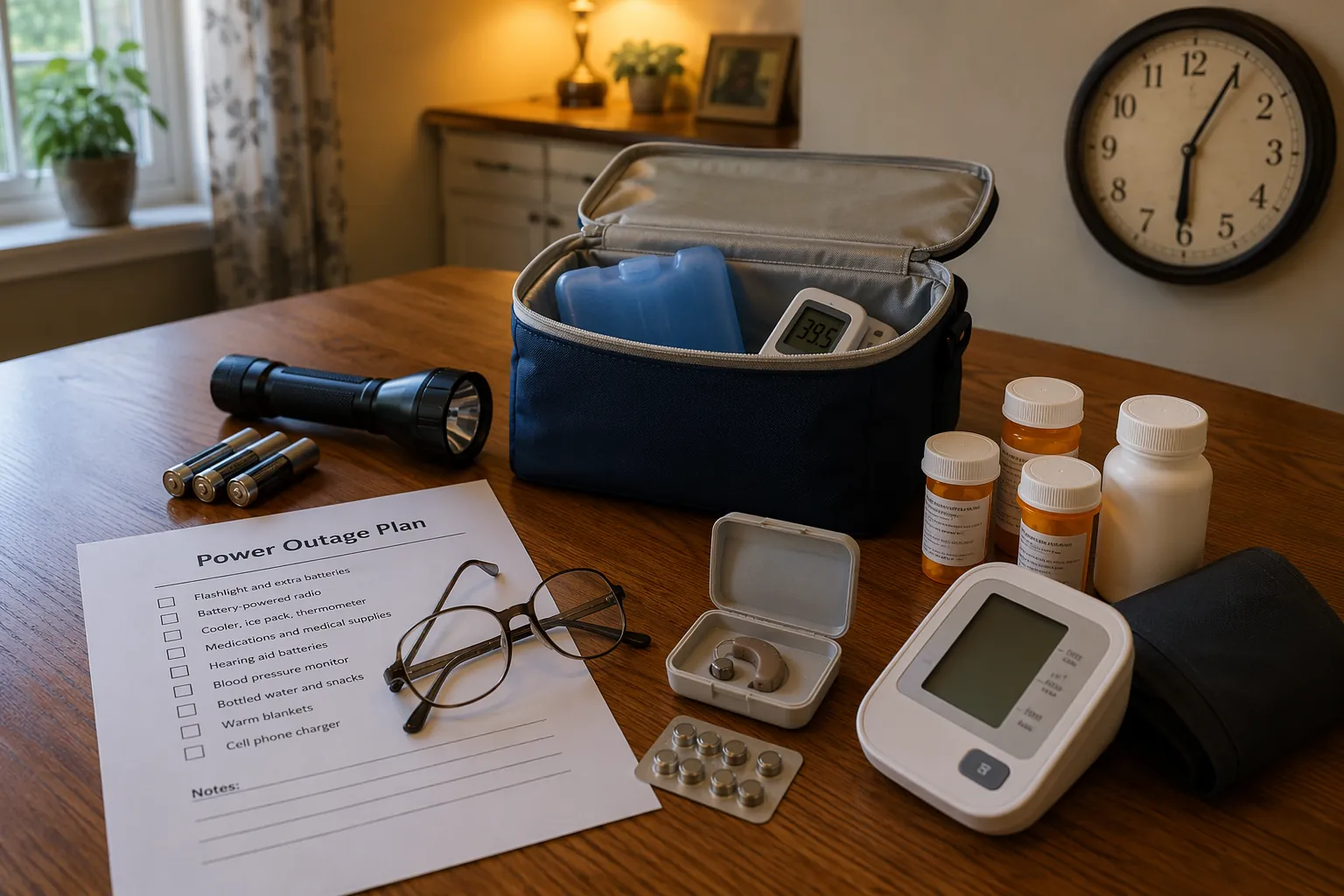
Power Outage Safety Checklist for Seniors Aging in Place
Seniors aging in place need a power outage plan that addresses medical equipment, medication storage, and temperature thresholds beyond generic checklists. This guide provides the specific actions, temperatures, and supplies to stay safe before, during, and after an outage.
 checklist
How to Prepare an Elderly Parent for 108°F Heat in Montana
This guide explains why 108°F heat puts older adults at acute fall risk and gives caregivers a three-layer plan — addressing physiology, home environment, and medications — to prevent a fall before it happens.
 checklist
How to Prevent Falls in Heat Without Air Conditioning
High heat without air conditioning can trigger a dangerous cascade of dehydration, dizziness, and impaired balance that increases fall risk for older adults. This guide explains why that happens and provides practical cooling strategies that double as fall prevention measures.
 checklist
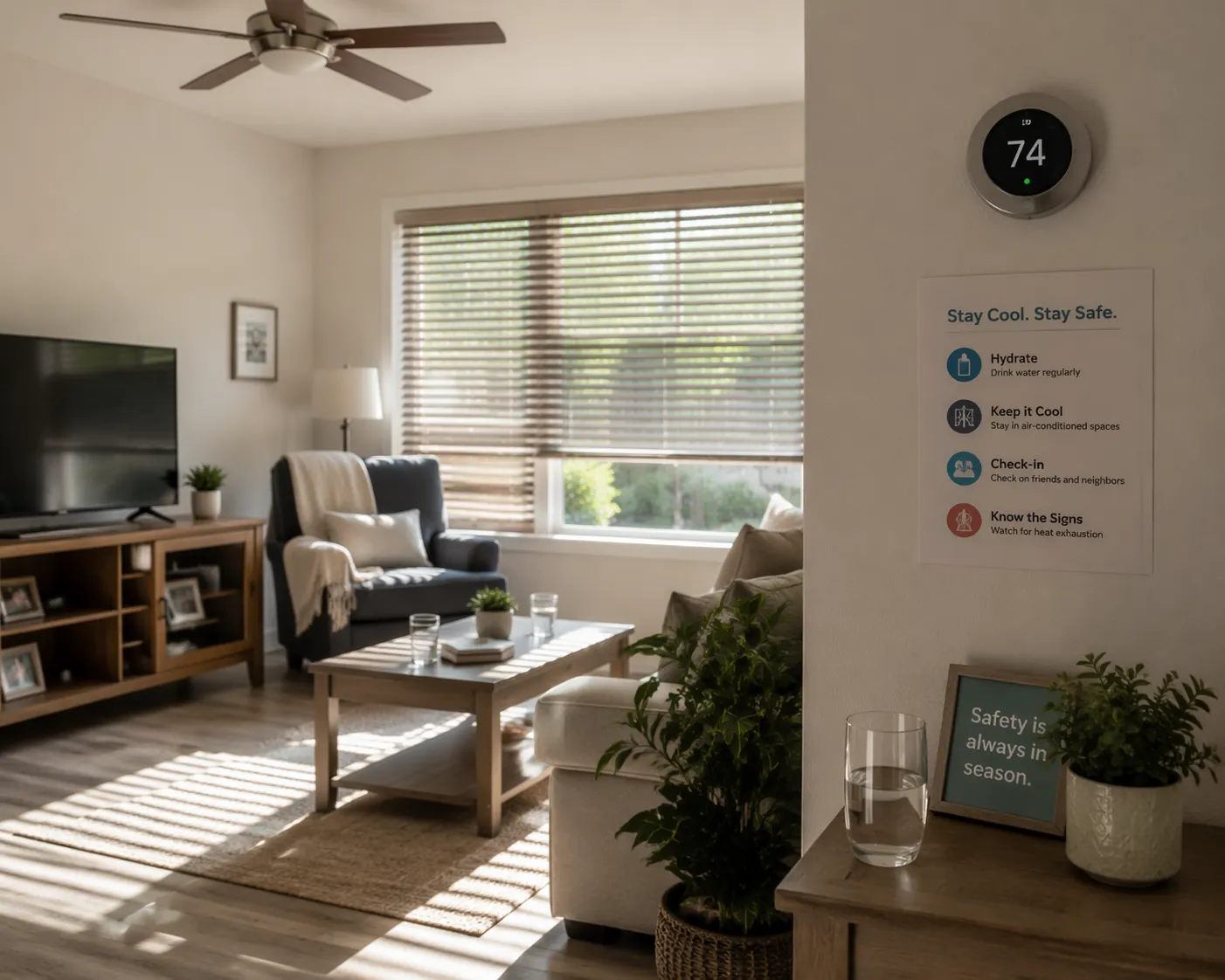
Prevent Heat-Related Deaths in Seniors: A Room-by-Room Checklist
A room-by-room checklist that translates heat safety guidelines into specific, measurable actions — from AC temperature settings to hydration volumes and fan usage thresholds — to help caregivers and older adults prevent heat-related illness and death at home.
 checklist
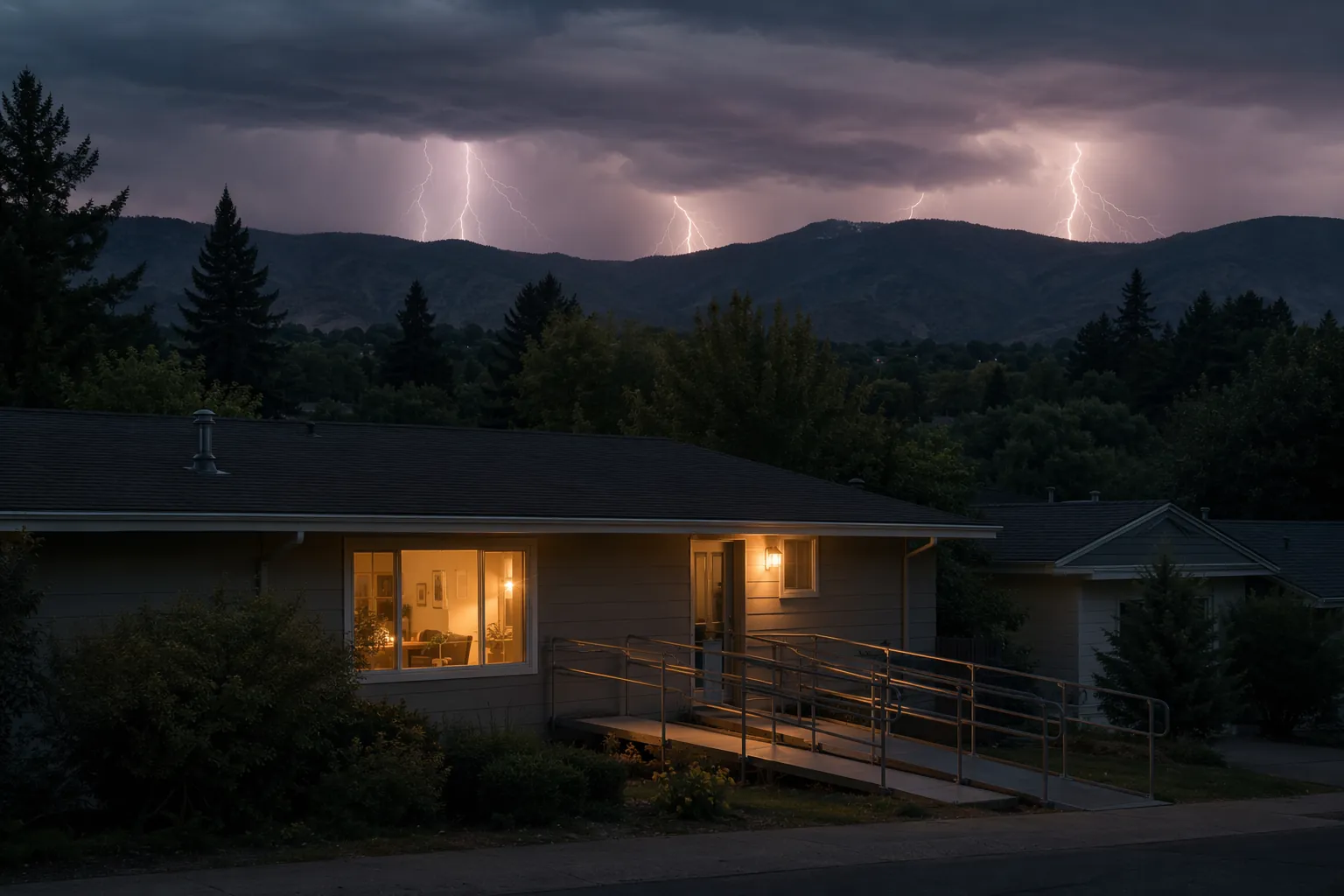
Protect Your Elderly Parent from Dry Lightning Wildfires
Dry lightning can ignite multiple wildfires simultaneously, compressing evacuation timelines and making generic wildfire preparedness inadequate for older adults. This guide helps caregivers build a plan-ahead strategy with early-evacuation triggers, a senior-specific go-bag, and indoor air quality contingencies.
 checklist
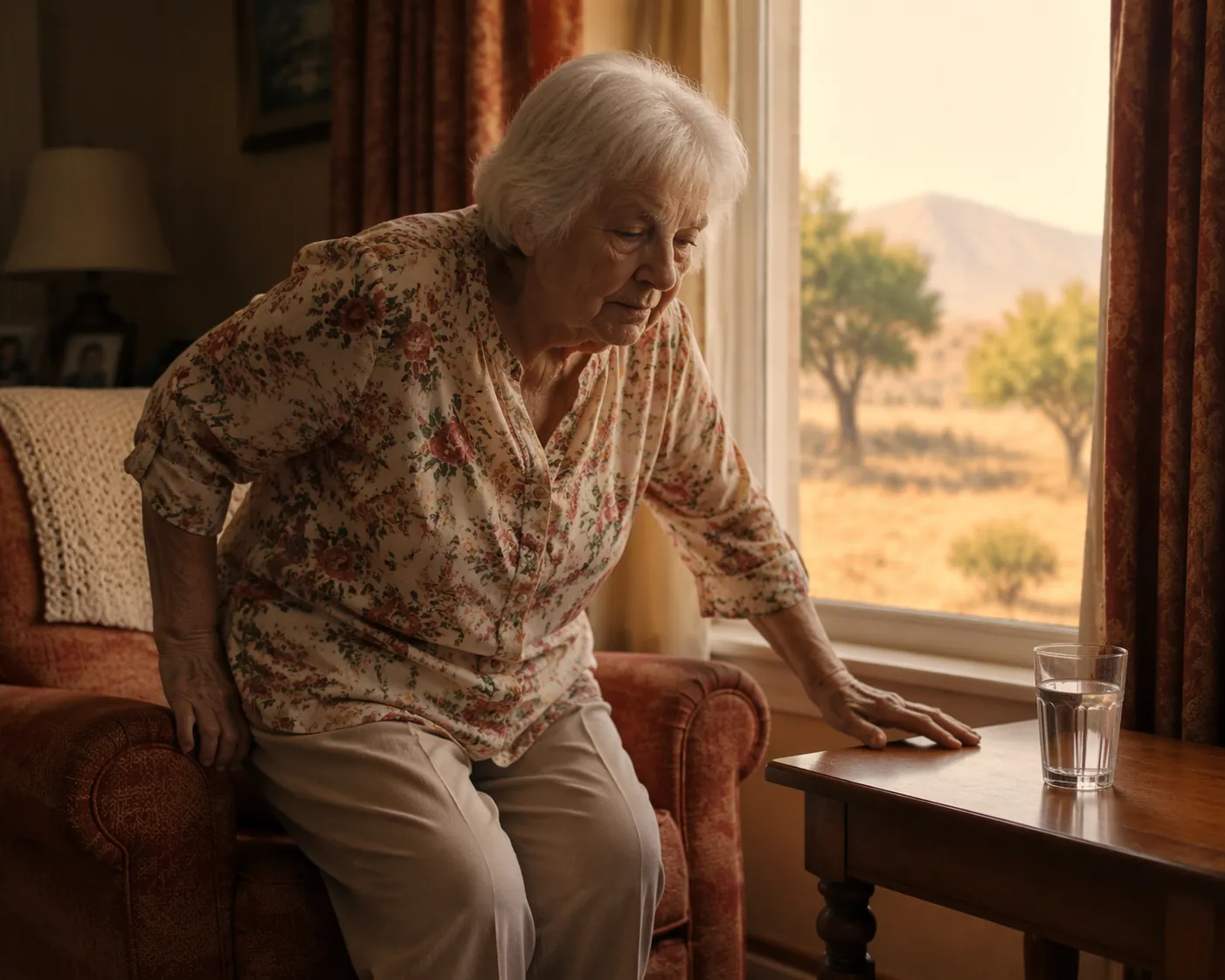
Protect Elderly During Extreme Heat Warnings and Prevent Falls
Extreme heat is more than a discomfort risk for older adults—it directly increases fall danger through dehydration, medication side effects, and impaired balance. This guide explains the three heat-to-fall pathways and gives caregivers actionable steps to keep seniors safe during heat warnings.
 checklist
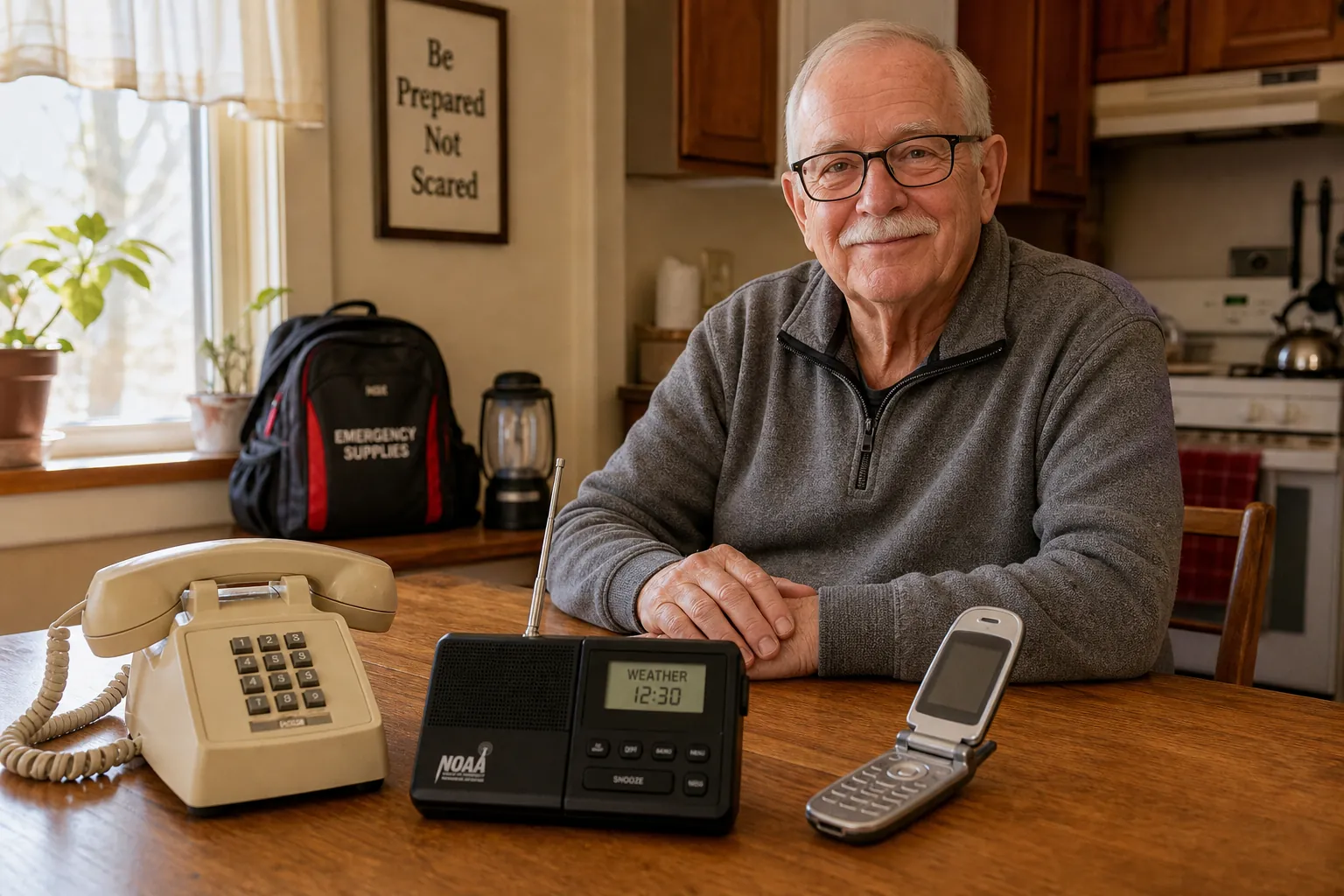
How Seniors Get Road Closure Alerts Without a Smartphone
Seniors without smartphones can still receive wildfire road closure alerts through phone-based 511 systems, NOAA weather radios, county alert registries, and a personal support network—but these must be set up before fire season to ensure safe evacuation and reduce fall risk during a crisis.
Intervene
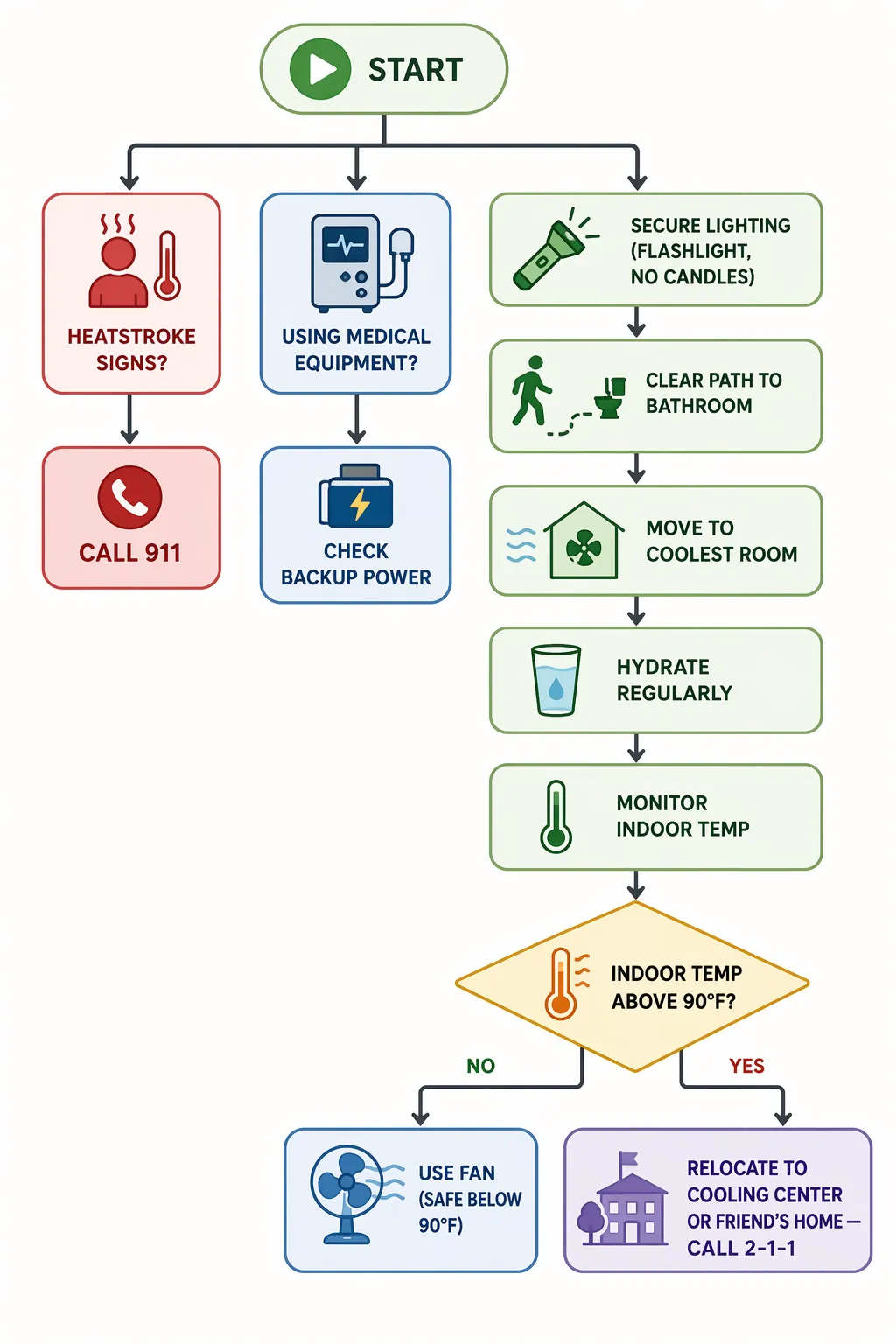 decision tree
How to Prevent Falls When a Heat Wave Knocks Out Power
When a heat wave knocks out power, older adults face a sudden triple risk of darkness, heat, and dehydration that can lead to a fall. This guide walks caregivers through the first critical steps — from securing safe lighting and knowing when to abandon fans above 90°F to protecting medications and deciding when to relocate to a cooling center.
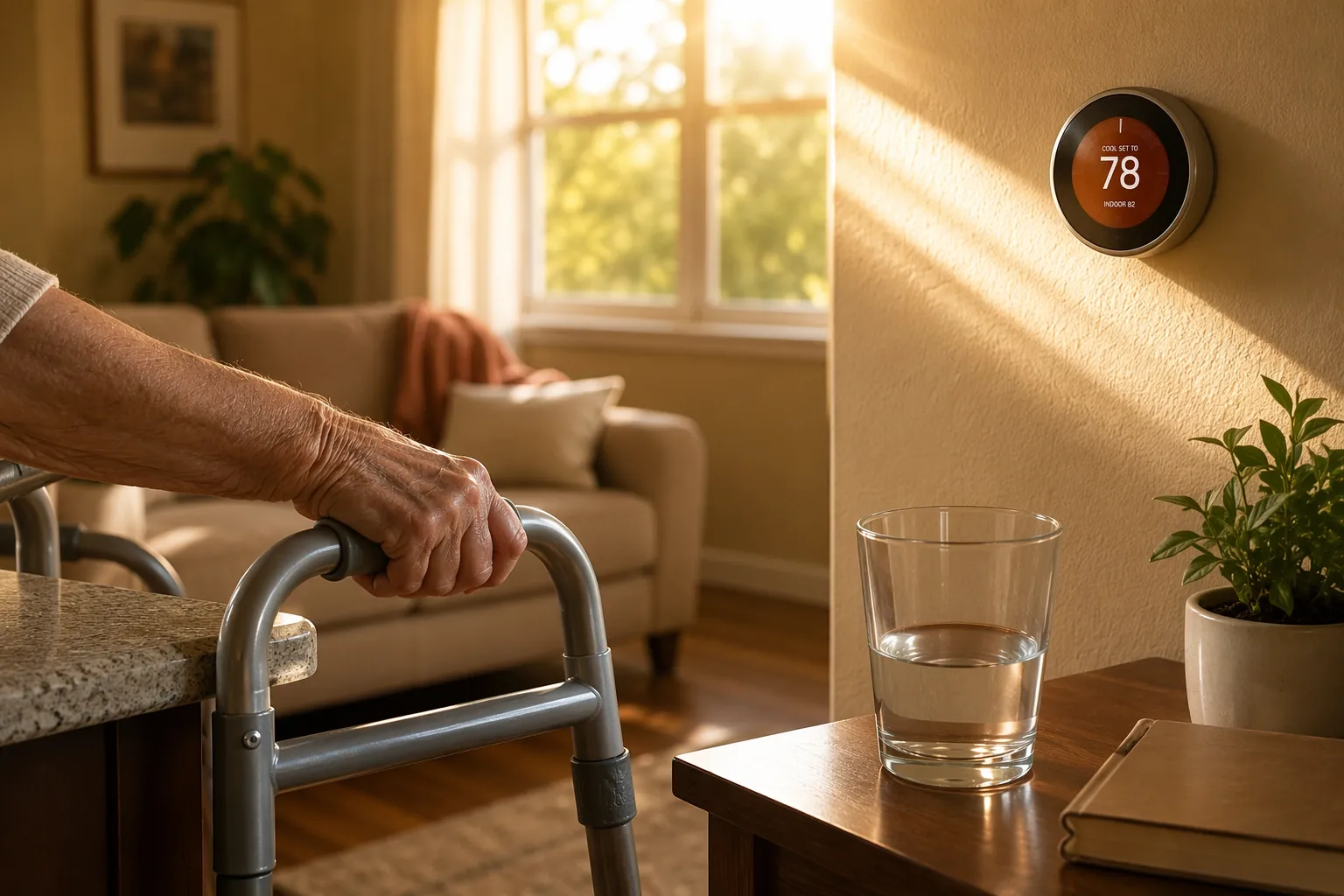 checklist
How to protect elderly during heatwave and prevent falls
Heatwaves increase fall risk in older adults through dehydration and orthostatic hypotension. This guide goes beyond cooling tips to show you how to protect older adults by addressing hydration routines, medication timing, and early dizziness warning signs.
Screen
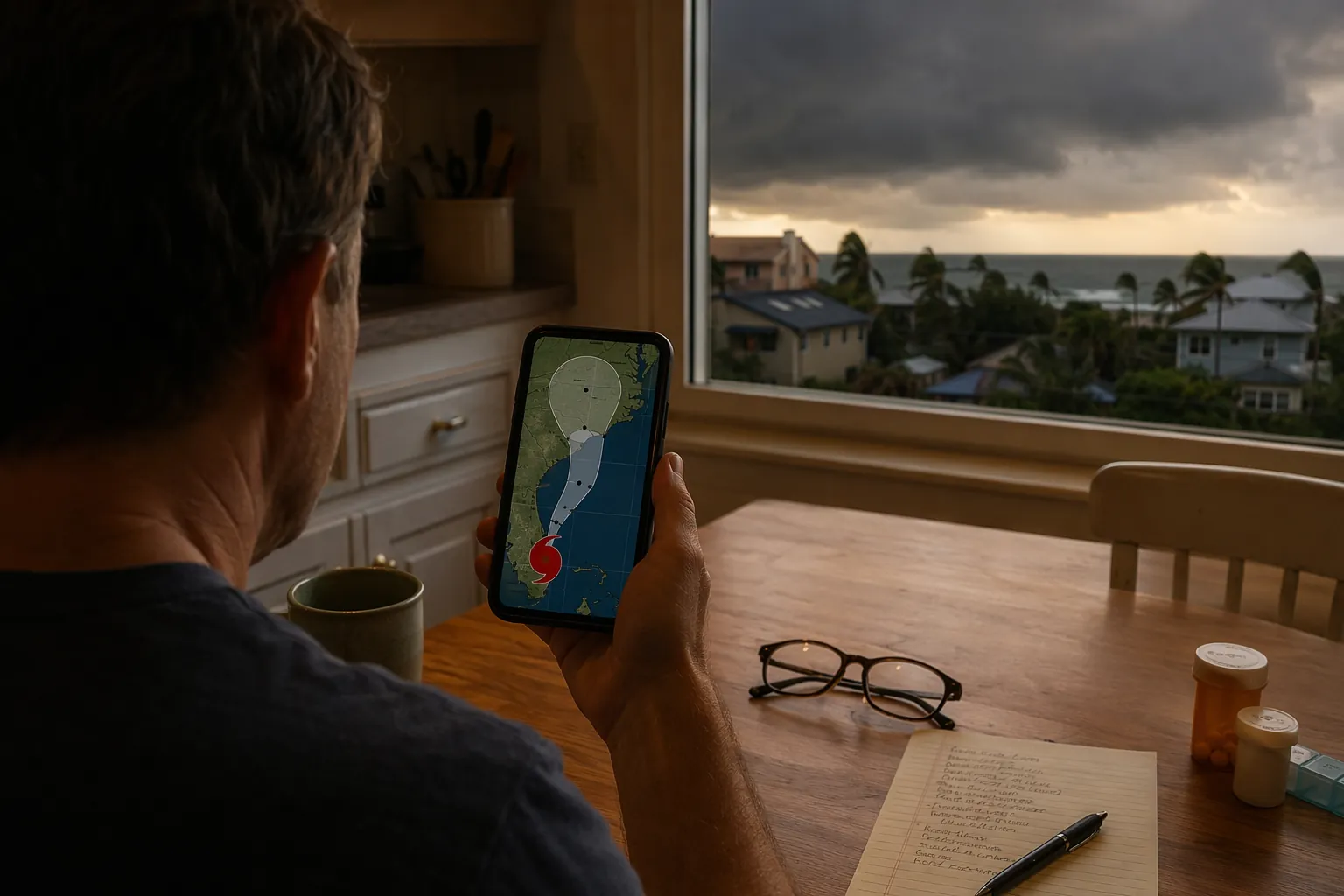 decision tree
How to Protect Aging Parents During Rapid Hurricane Intensification
When a hurricane rapidly intensifies, caregivers have hours to decide whether to evacuate or shelter in place with an aging parent. This guide provides a six-question decision framework and a checklist for either path, based on mobility, medical needs, and fall risk.