
Flagship section
Fall Prevention
The flagship section, built directly on the CDC STEADI screen-assess-intervene model. Contains the fall risk screening quiz, the post-fall decision tree for active crisis situations (conscious/responsive checks, when to call 911 vs. urgent care, what to watch for in the following 72 hours), risk-factor explainers (medication side effects, vision, balance), and numbered warning-sign guides. This is the only group that owns crisis-path content; modification and mobility groups link back here rather than duplicating triage guidance.
Plan ahead
Intervene
 checklist
Measles Outbreak Precautions for Elderly and Their Caregivers
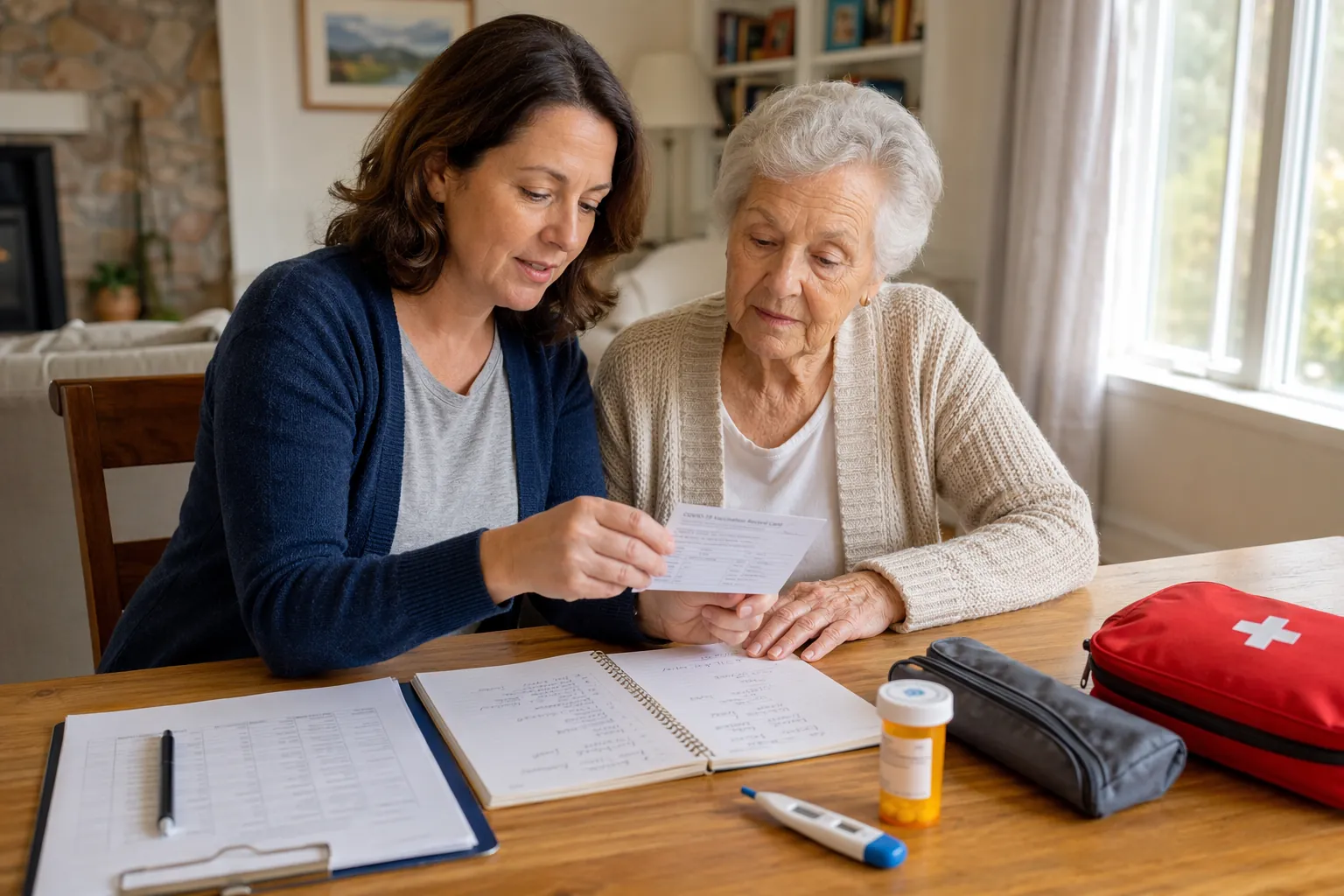
Adult-child caregivers can take concrete steps now to protect an elderly parent from measles during the 2026 outbreak — verifying immunity by birth year, consulting a provider about missing records, assembling a home isolation kit, and understanding the critical 72-hour post-exposure window before a crisis hits.
 checklist
72-Hour Power Outage Plan for Medically Dependent Seniors
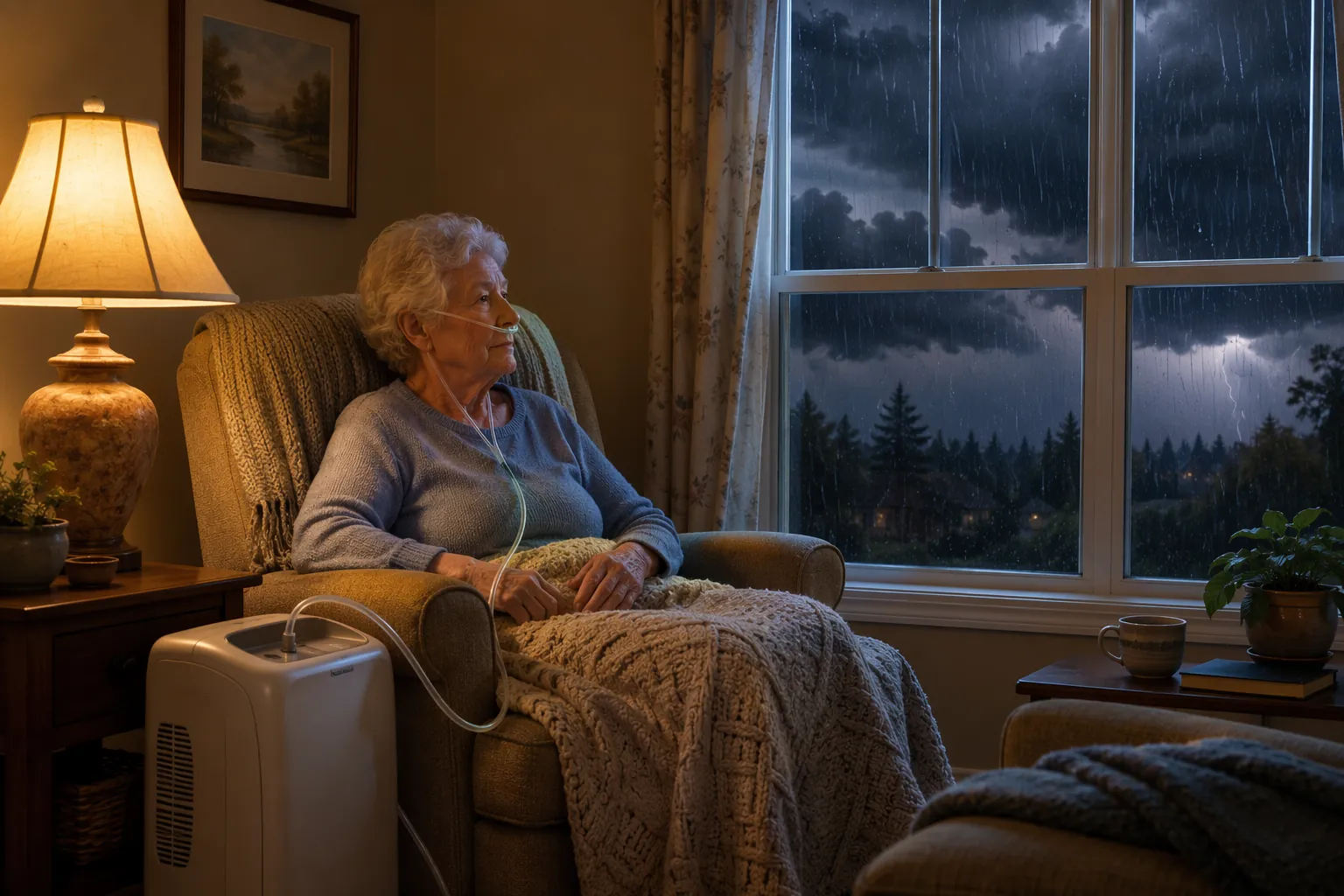
A structured 72-hour plan helps caregivers protect older adults who rely on medical devices during a power outage. Following FEMA and Red Cross guidelines, this guide covers backup power, medication storage, utility registration, and evacuation triggers.
 checklist
How Seniors Can Monitor Hurricane Updates Safely
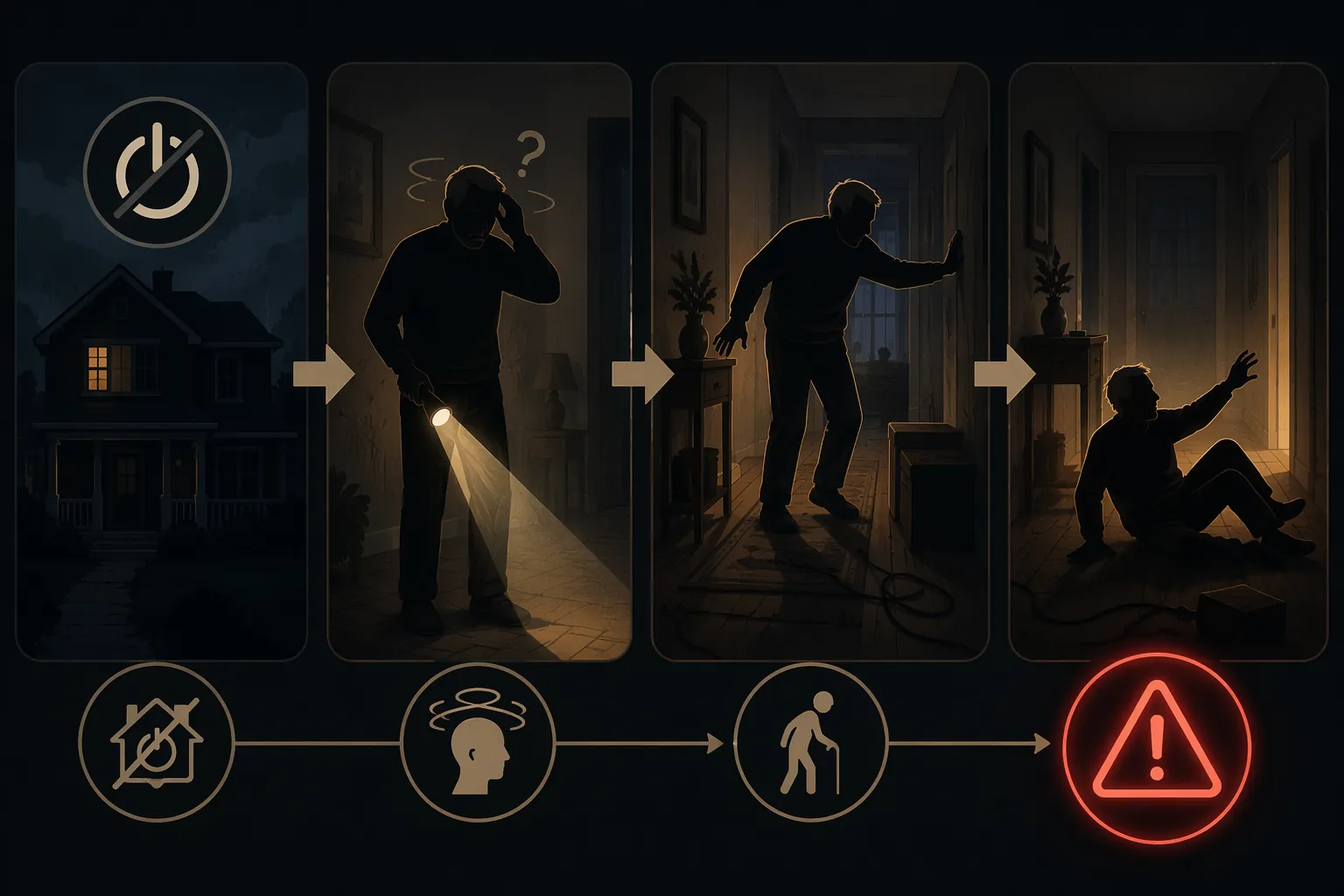
Learn how a stationary monitoring station — a single chair or bedside spot stocked with a battery-powered NOAA Weather Radio, flashlight, walking aid, and emergency supplies — lets seniors stay informed during hurricane power outages without moving through dark, obstacle-filled spaces, dramatically reducing fall risk.
 checklist
Peak Energy Strategies That Keep Seniors Safe and Save Money
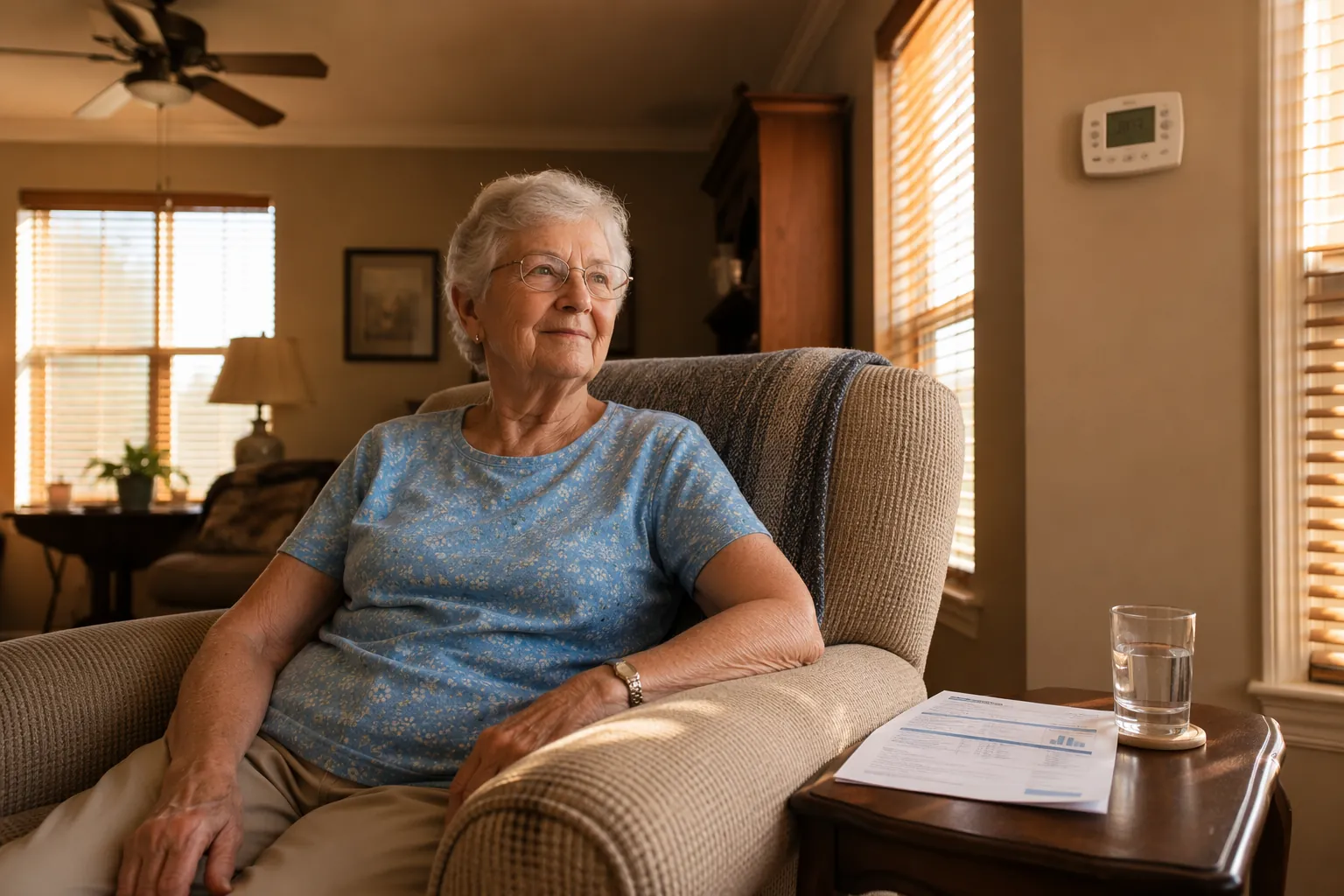
A health-first guide for seniors and their caregivers to reduce peak electricity demand without compromising safety. Learn precooling, zone cooling, low-heat cooking, and when it is dangerous to cut back on cooling.
 checklist
How Permanent DST Affects Senior Sleep and Fall Risk
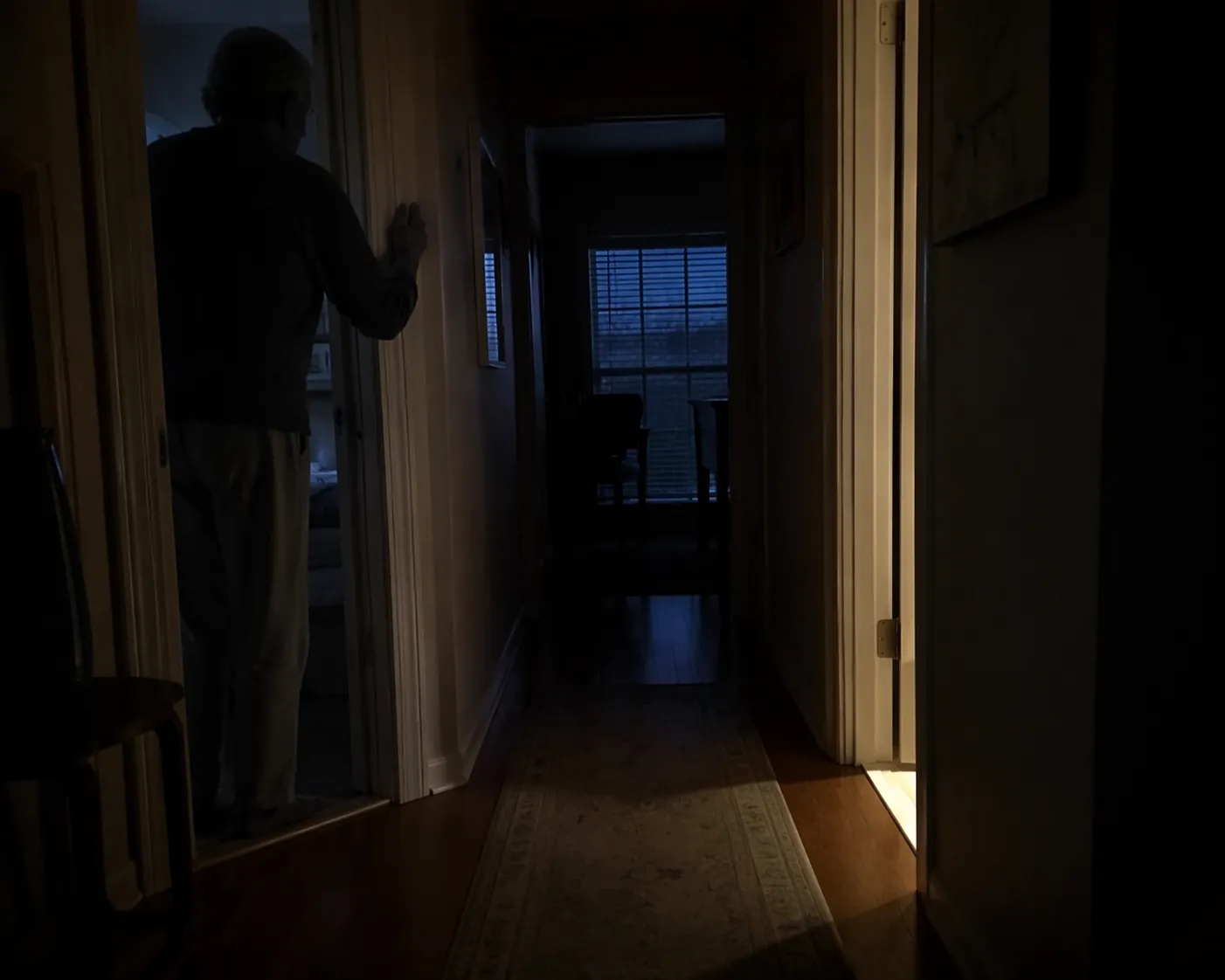
Learn how permanent daylight saving time disrupts seniors' already fragile sleep cycles and increases fall risk, then follow three actionable home modifications — lighting upgrades, morning light therapy, and medication timing adjustments — to protect your parent starting tonight.
 checklist
Prevent Falls During a PG&E Power Shutoff
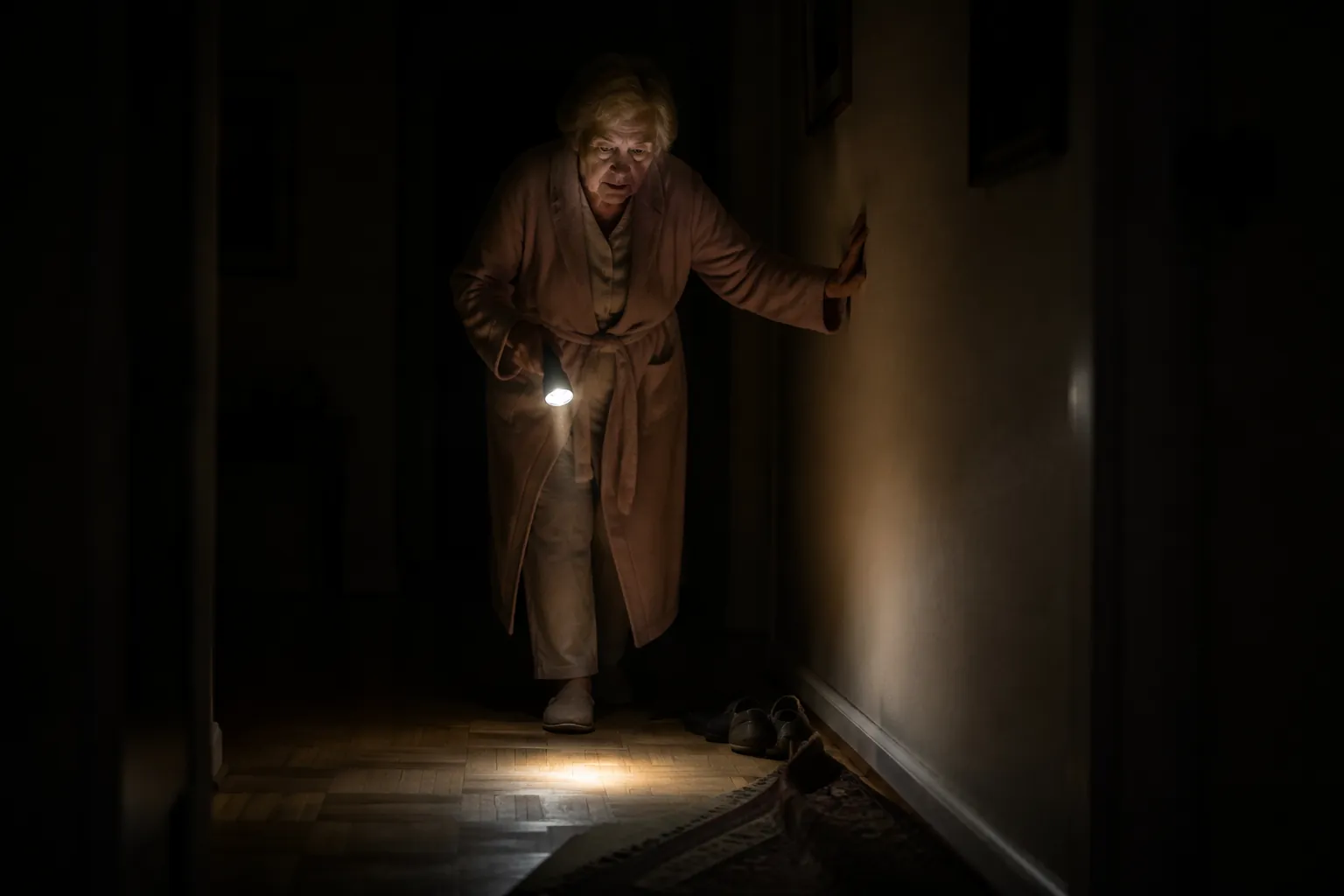
When PG&E cuts power for wildfire safety, darkness turns ordinary fall hazards into traps. This guide walks seniors and their caregivers through pre-shutoff home fall-proofing, safe mobility during the outage, and a backup plan if a fall does happen — so a long blackout doesn't lead to a broken bone.
 checklist
Pickleball Benefits for Seniors: Fall Prevention and How to Start
Pickleball offers seniors a fun way to build balance and leg strength that can reduce fall risk, but the sport also carries its own fall risks. This article explains the evidence behind the benefits, what to do before playing, and how to start safely on the court.
 checklist
Post-Earthquake Fall Prevention for Older Adults in Shelters
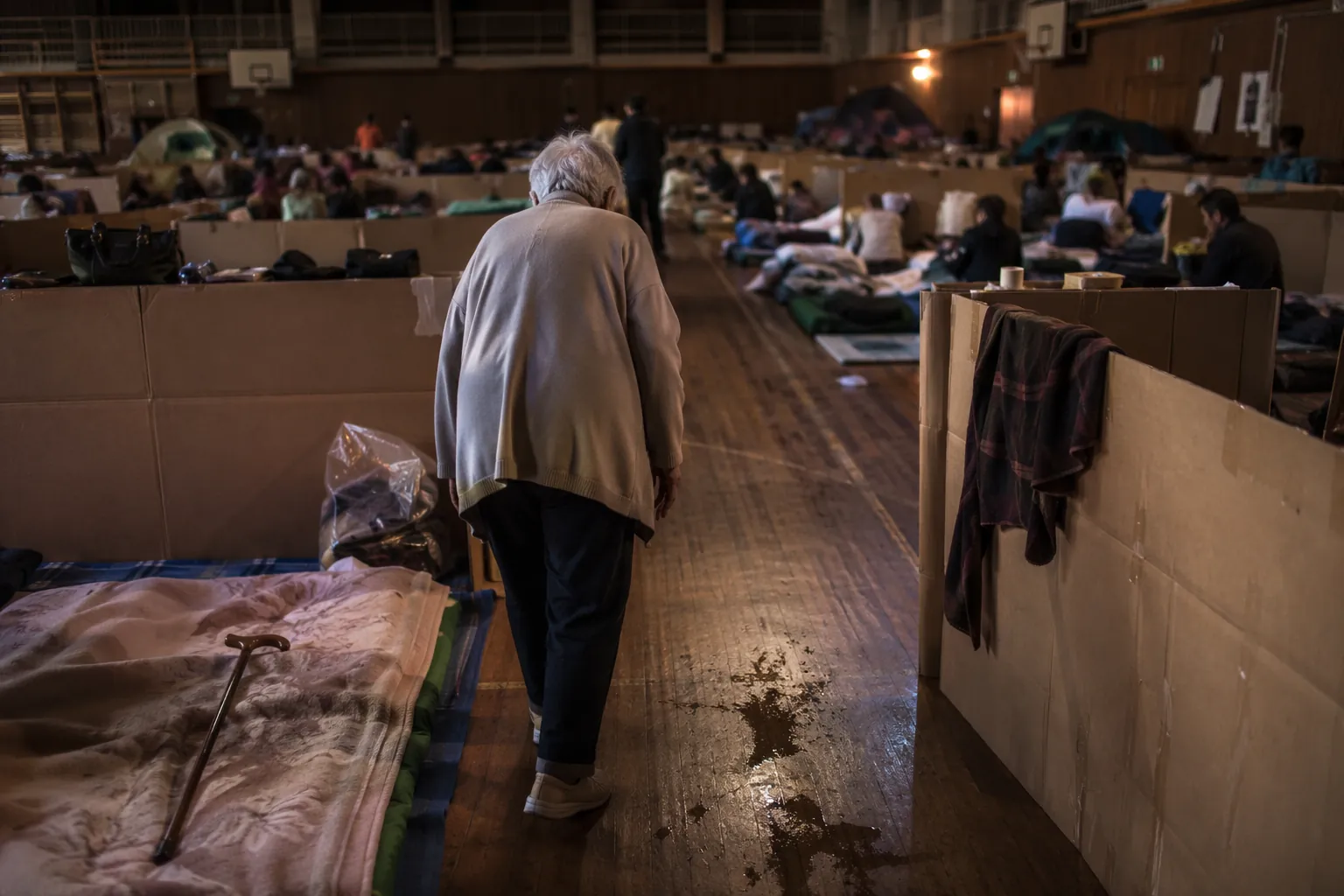
After an earthquake, older adults face heightened fall risks from unfamiliar shelter environments and rapid physical decline. This guide explains specific hazards in shelters and temporary housing, and provides targeted countermeasures to prevent falls during evacuation life.
Intervene
 checklist
Senior Preparation Tips for Oregon Red Flag Warnings
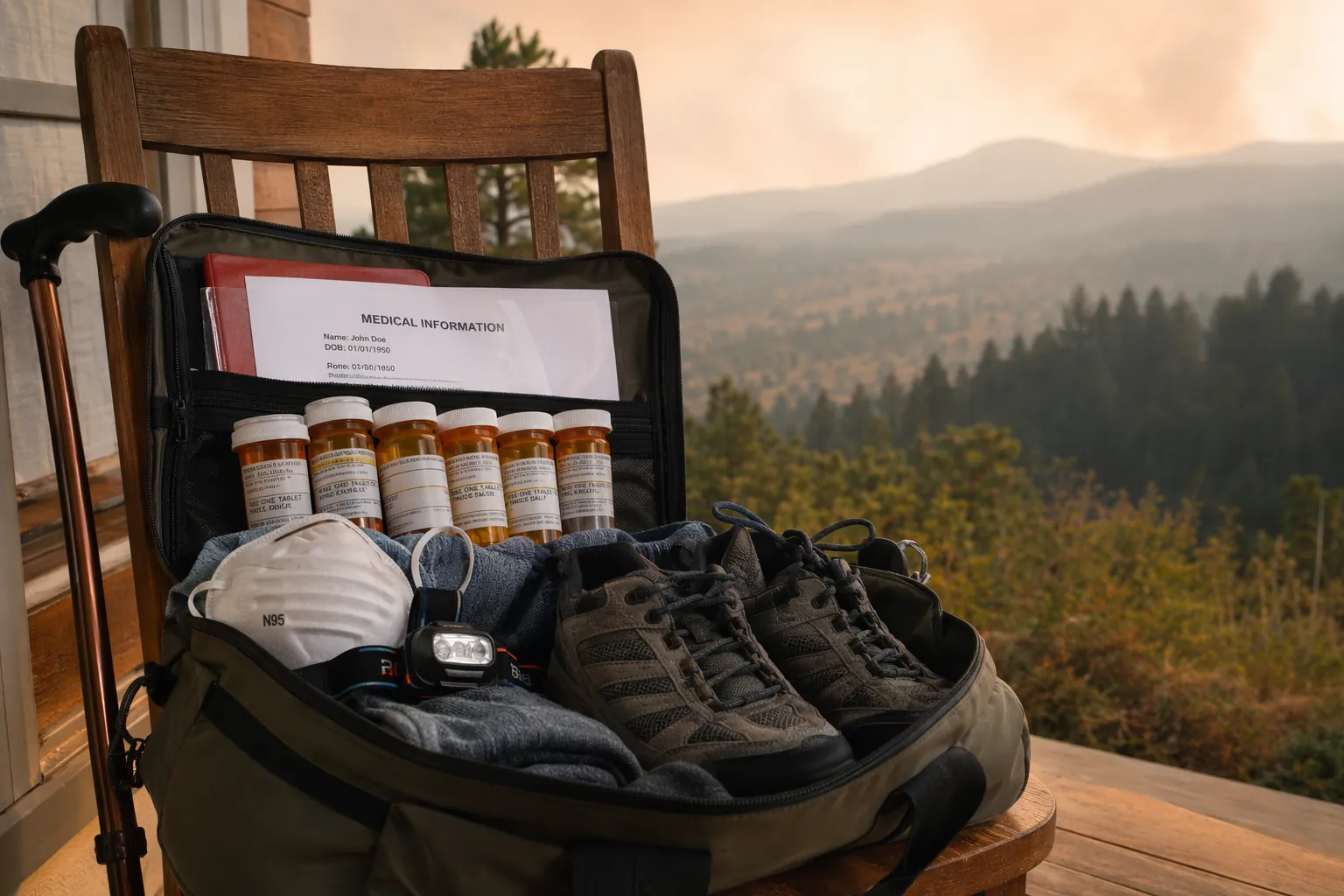
When a red flag warning is issued in Oregon, seniors and their caregivers need a concrete action plan. This guide explains why Oregon's Office of Emergency Management recommends older adults leave at a Level 1 evacuation notice, and provides a step-by-step checklist for preparing medication go-bags, fall-proofing evacuation routes, and building a clean-air room.
 checklist
How Permanent DST Affects Seniors' Sleep and Fall Risk
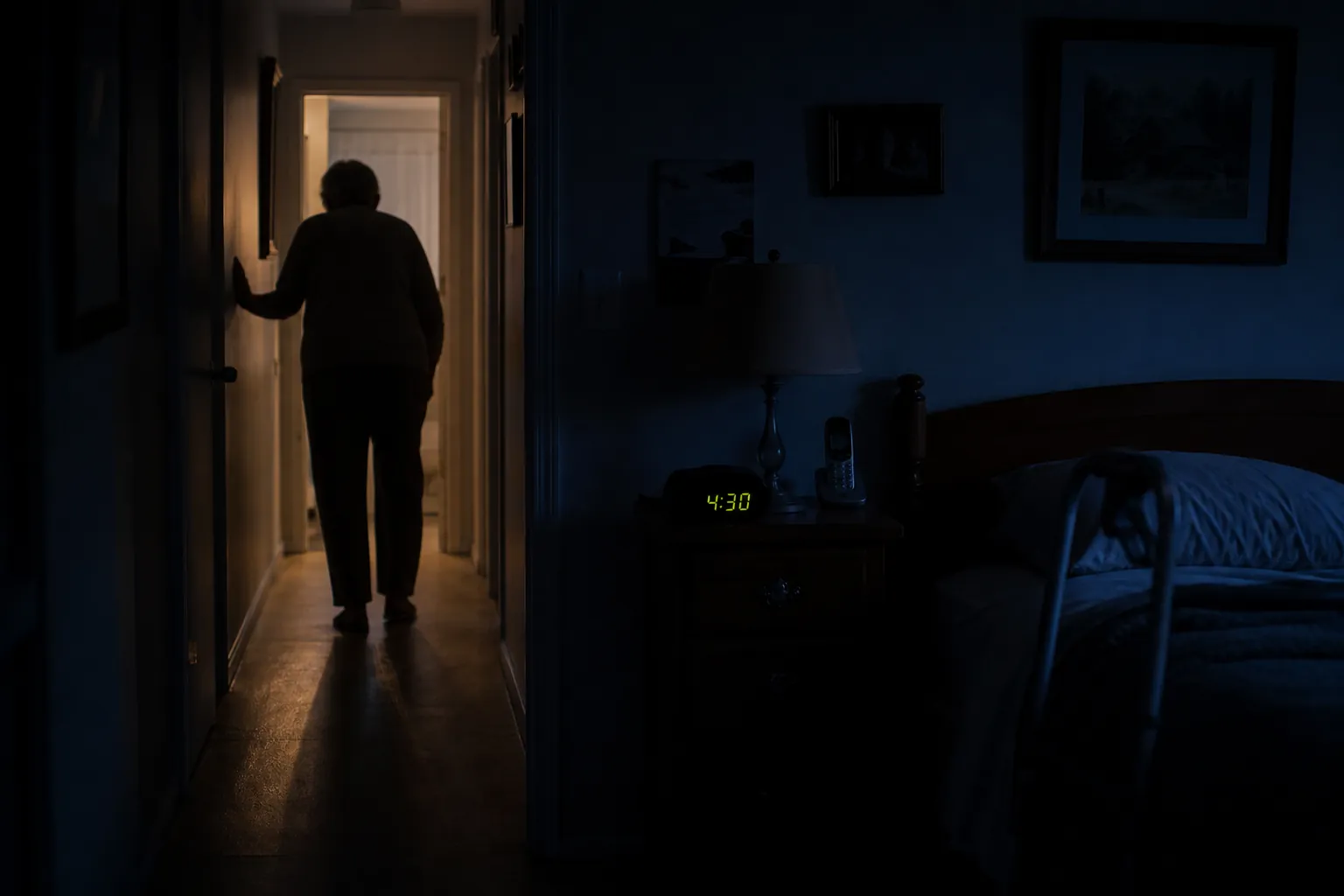
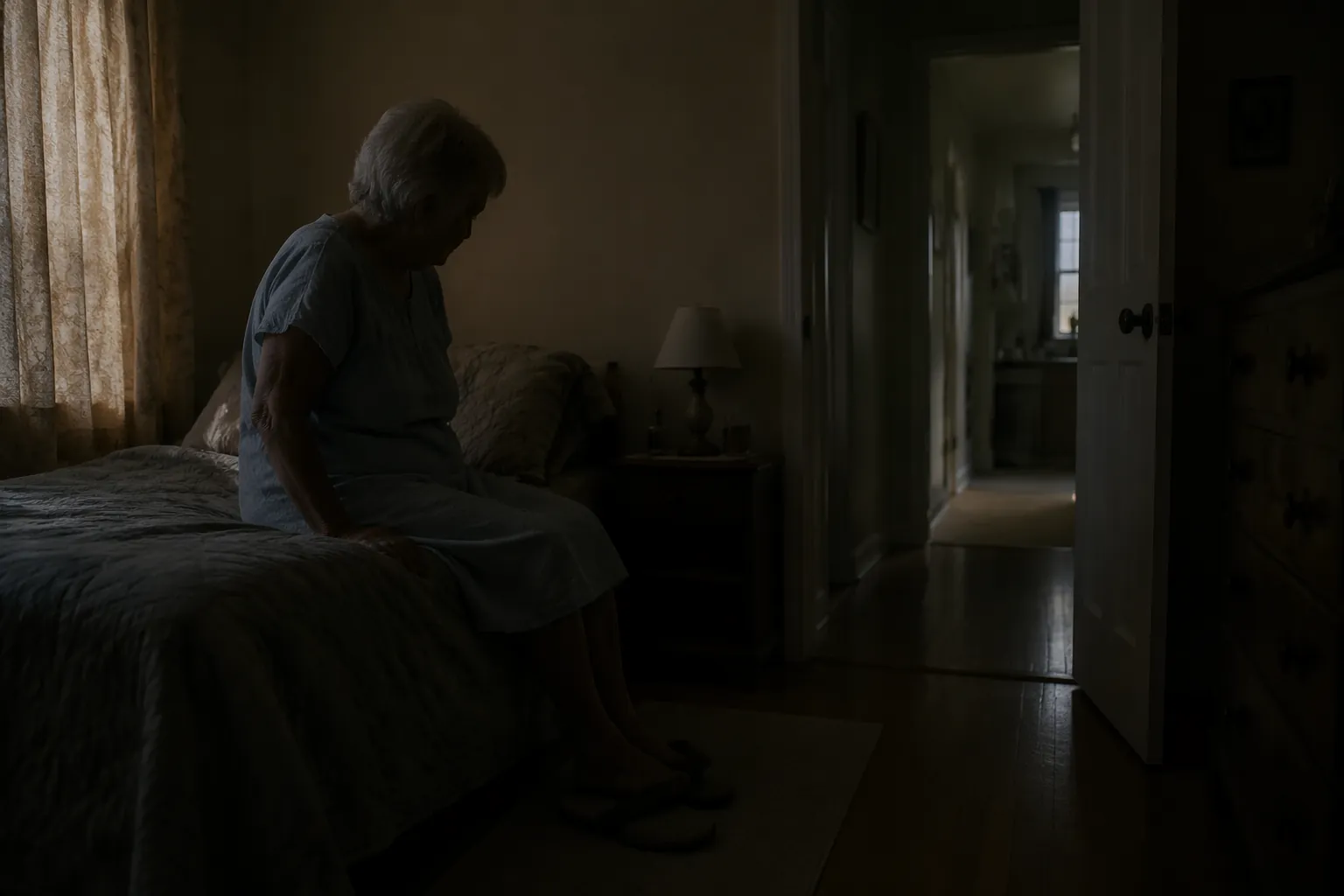
This article explains why proposed permanent daylight saving time (DST) disproportionately disrupts older adults' sleep and how the resulting chronic sleep fragmentation directly increases fall risk at home through balance impairment, reduced morning visibility, and medication timing errors. Caregivers will learn practical mitigation steps regardless of which way the legislation goes.
intervention
 checklist
What Permanent DST Means for Your Elderly Parent’s Fall Risk
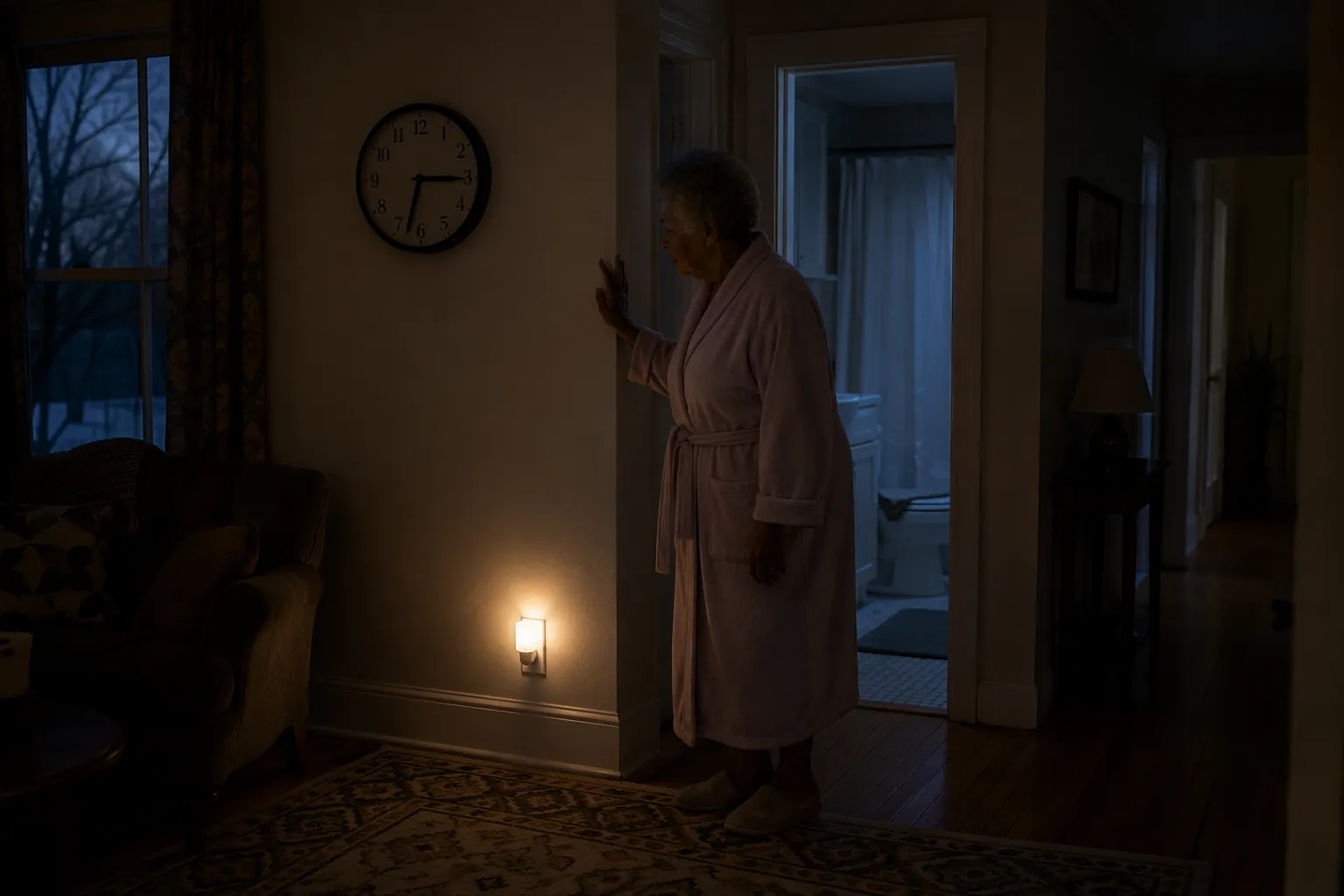
Permanent daylight saving time will create darker winter mornings that overlap with seniors’ peak activity window, increasing fall risk. This article explains why and provides a targeted, under-$200 home lighting checklist to help caregivers improve safety before the change takes effect.
Assess
 warning-sign
Permanent DST raises fall risk for Mississippi seniors
Permanent daylight saving time would create a compound fall hazard for Mississippi seniors through two additive mechanisms: chronic sleep disruption that increases fall odds by 54%, and extended pre-dawn darkness during morning routines. Mississippi's high baseline fall rate and aging demographics amplify the risk.