
Plan ahead
Home Modifications
Product-neutral, room-by-room aging-in-place guidance (entryway, bathroom, bedroom, kitchen, stairs/hallways) modeled on the AARP HomeFit checklist structure, with dimensional specifics (grab bar height and clearance, lighting placement, threshold height) drawn from ADA and CAPS standards. Each room page states what to check, what to change, and when a CAPS-credentialed professional is warranted, without naming or ranking contractors or products. Cross-links to relevant Fall Prevention risk factors and Mobility equipment comparisons.
Entryway
This room's checklist is in progress. In the meantime, the matching Fall Prevention risk factor covers general guidance.
Bathroom
This room's checklist is in progress. In the meantime, the matching Fall Prevention risk factor covers general guidance.
Bedroom
This room's checklist is in progress. In the meantime, the matching Fall Prevention risk factor covers general guidance.
Kitchen
This room's checklist is in progress. In the meantime, the matching Fall Prevention risk factor covers general guidance.
Stairs And Hallways
This room's checklist is in progress. In the meantime, the matching Fall Prevention risk factor covers general guidance.
Other

What Habitat for Humanity Aging in Place Modifications Install: A Room-by-Room Guide to Making Your Home Safer
Discover exactly which home modifications Habitat for Humanity provides through its Aging in Place program, organized room by room with the safety rationale behind each change to help you advocate effectively during the assessment.
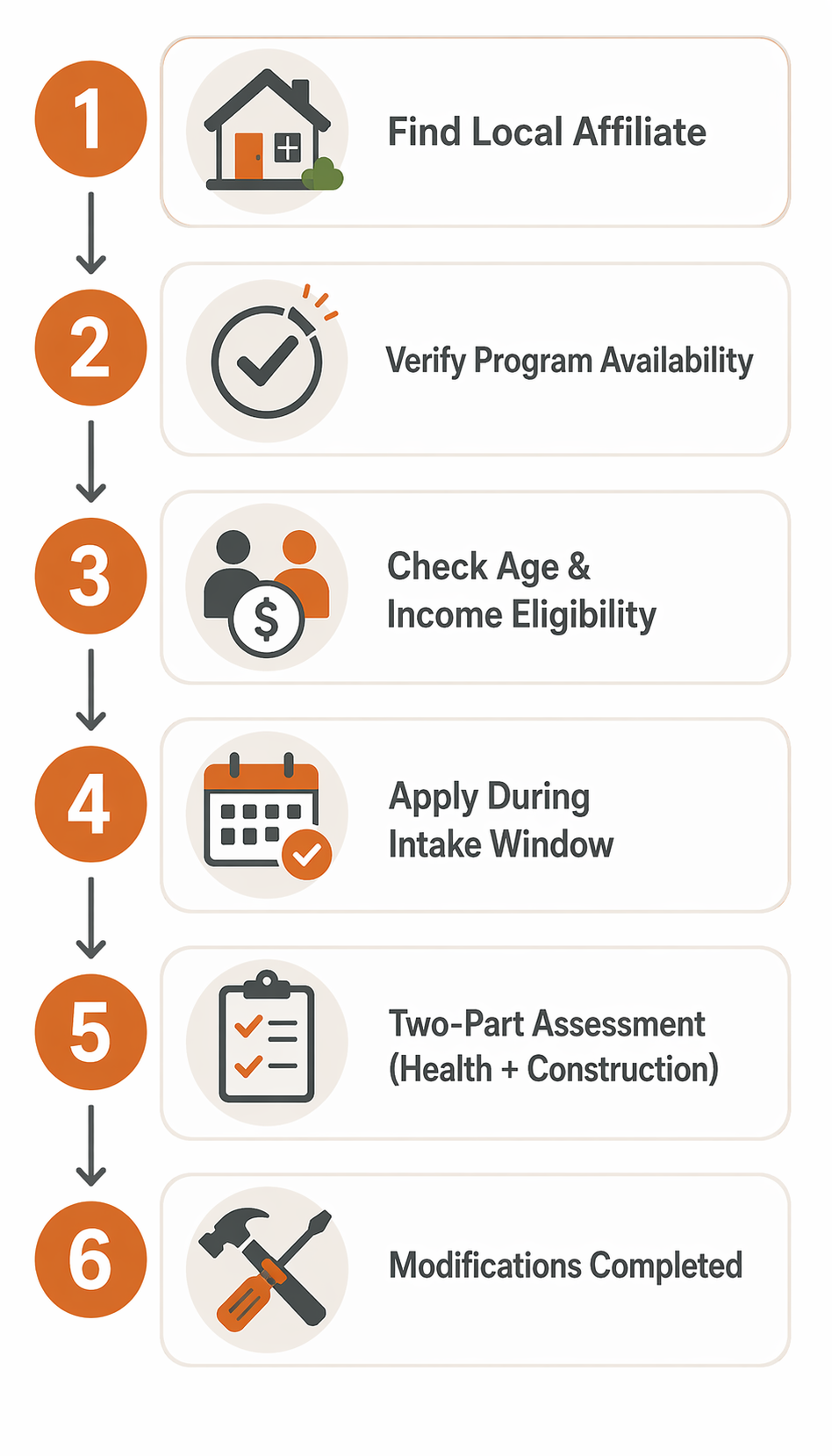
How to Get Help from Habitat for Humanity's Aging in Place Program
A practical guide for family caregivers on qualifying for and applying to Habitat for Humanity's Aging in Place program, including eligibility criteria, the decentralized affiliate application process, and essential fallback programs when Habitat is not available.
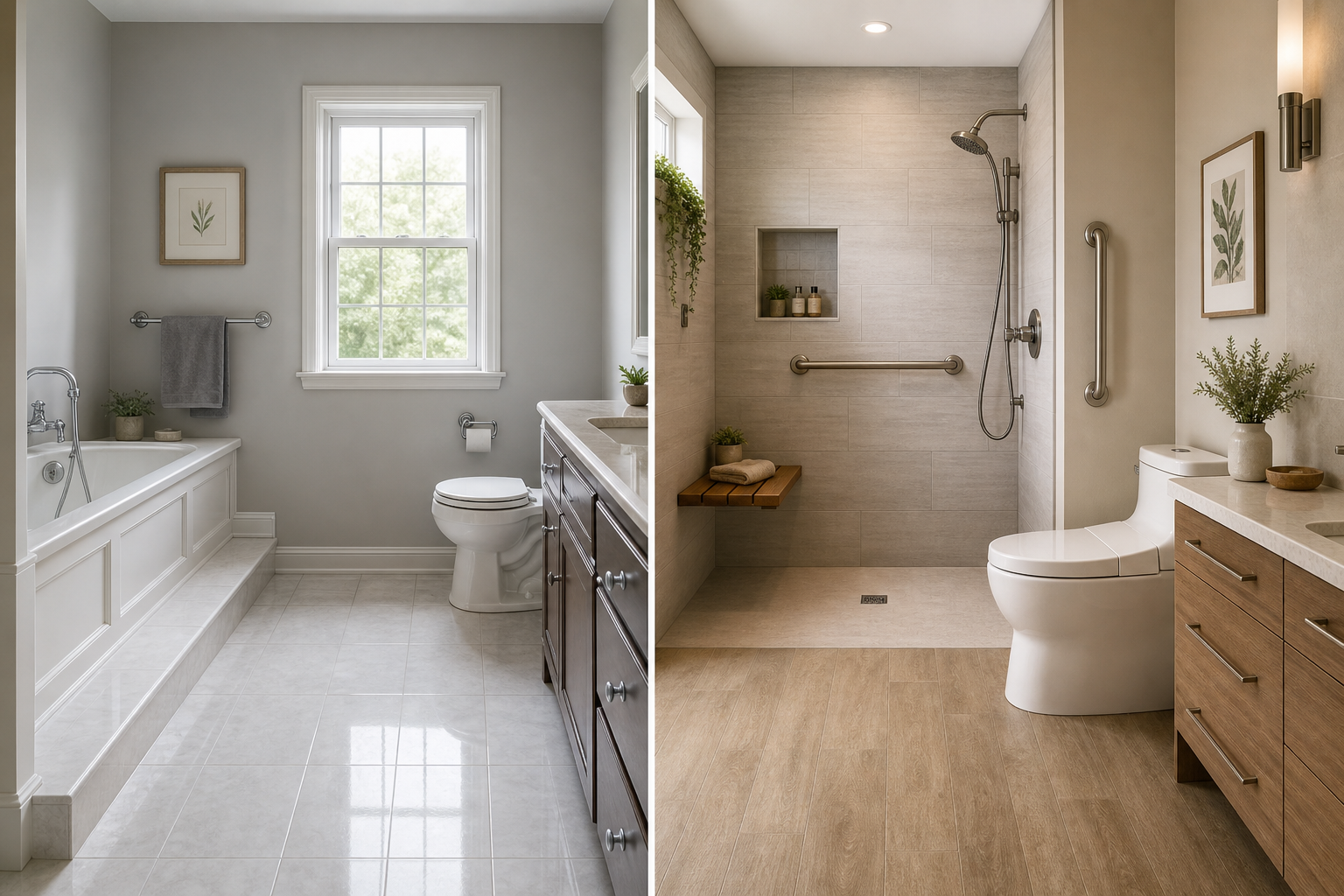
How to Choose an Aging-in-Place Contractor and Avoid Costly Mistakes
Choosing the right contractor for an aging-in-place remodel is as critical as selecting the right modifications. This guide helps adult children and older homeowners vet contractors, understand CAPS certification, ask the right questions, and avoid expensive retrofit mistakes.
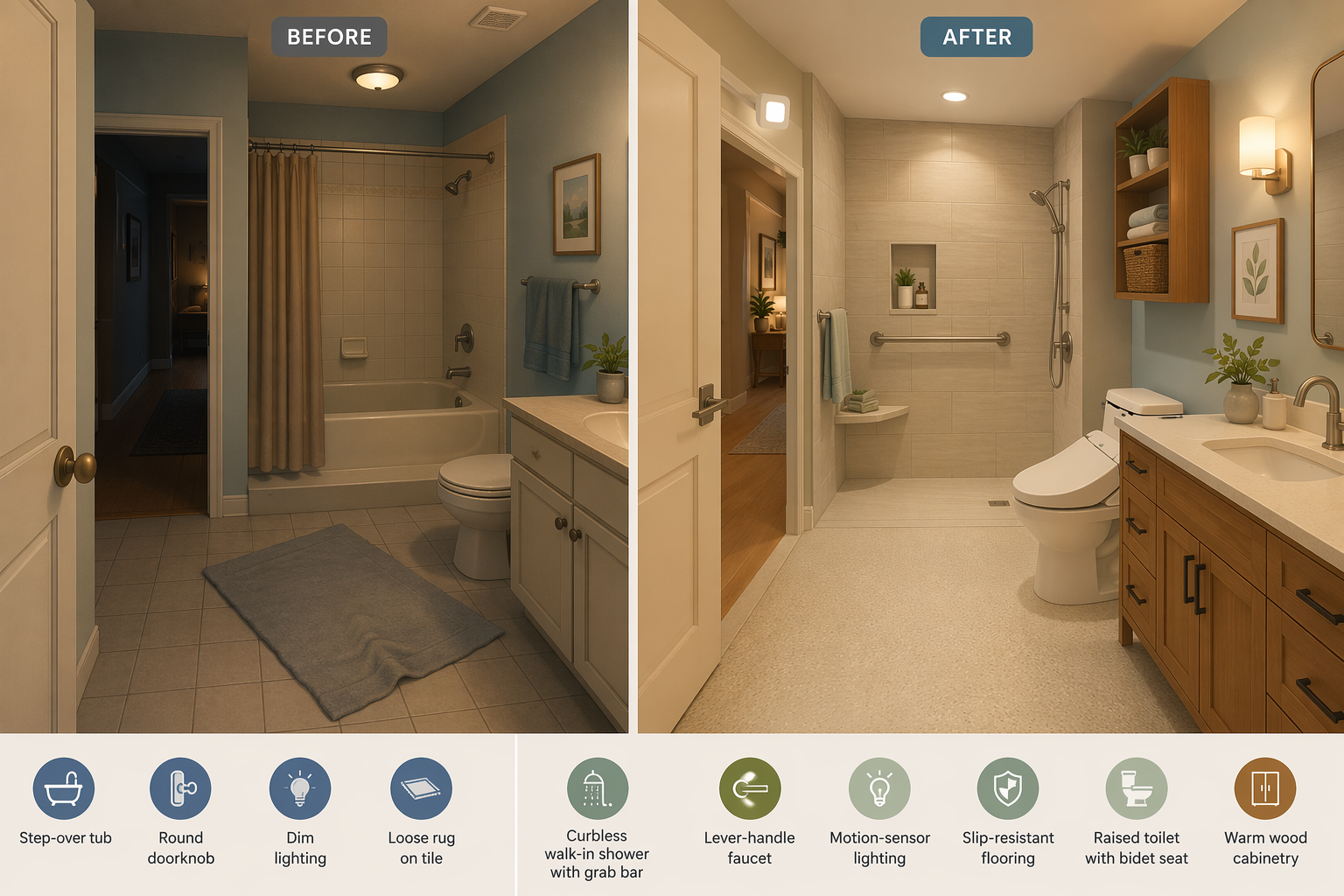
How to Pay for Aging in Place Home Modifications: A Complete Funding Navigator for Family Caregivers
Facing the cost of home modifications after a parent's fall or mobility decline? This guide walks you through every major funding source — VA grants, Medicaid waivers, USDA grants, HUD programs, and state resources — with a decision tree to match your situation, call scripts, and a stacking strategy to combine multiple sources.
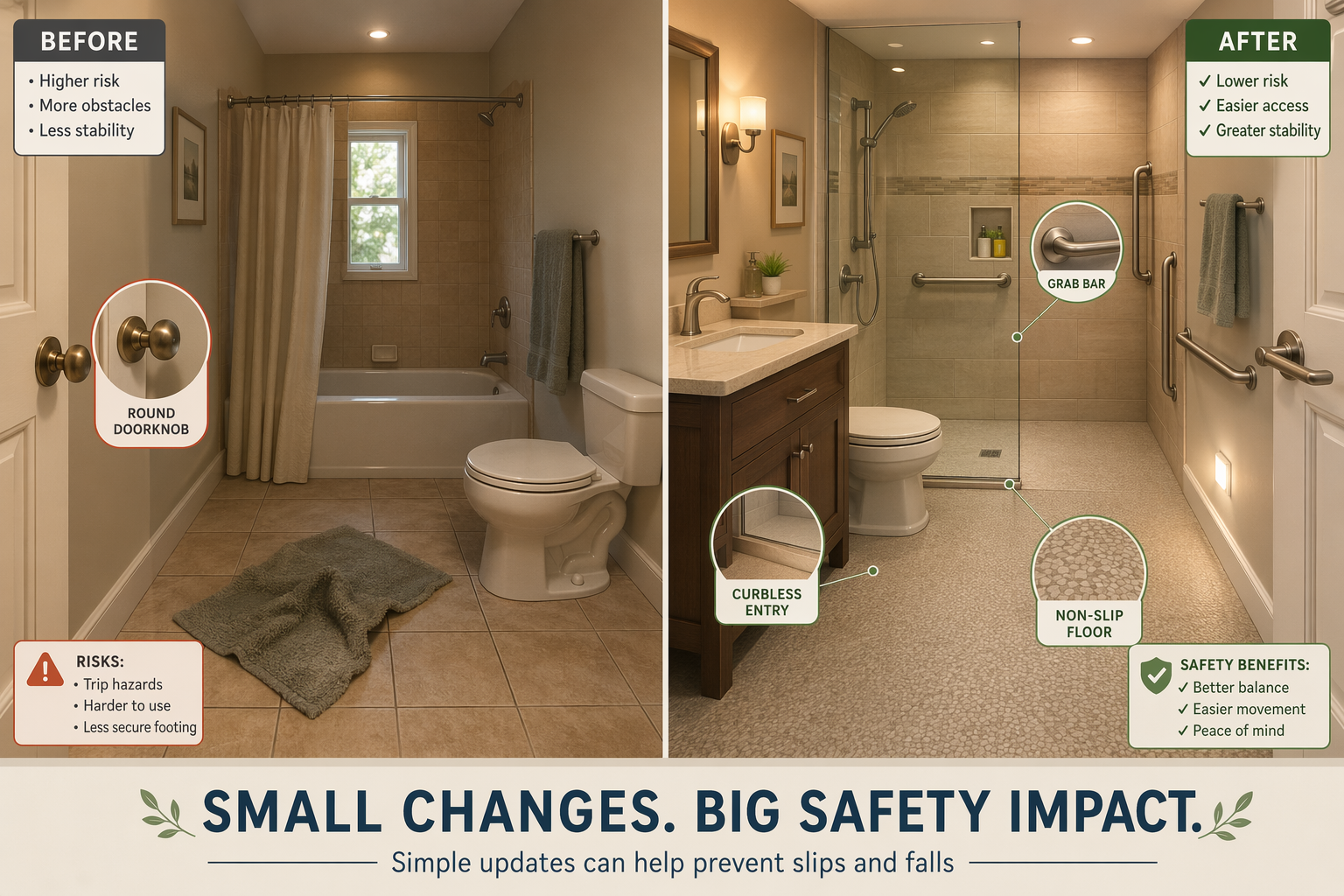
How to Pay for an Aging-in-Place Remodel: Grants, Loans, and Funding Sources
A comprehensive guide for family caregivers and older adults on fixed incomes, covering USDA grants, VA benefits, FHA loans, Medicaid waivers, tax deductions, and personal financing options to make home modifications affordable.
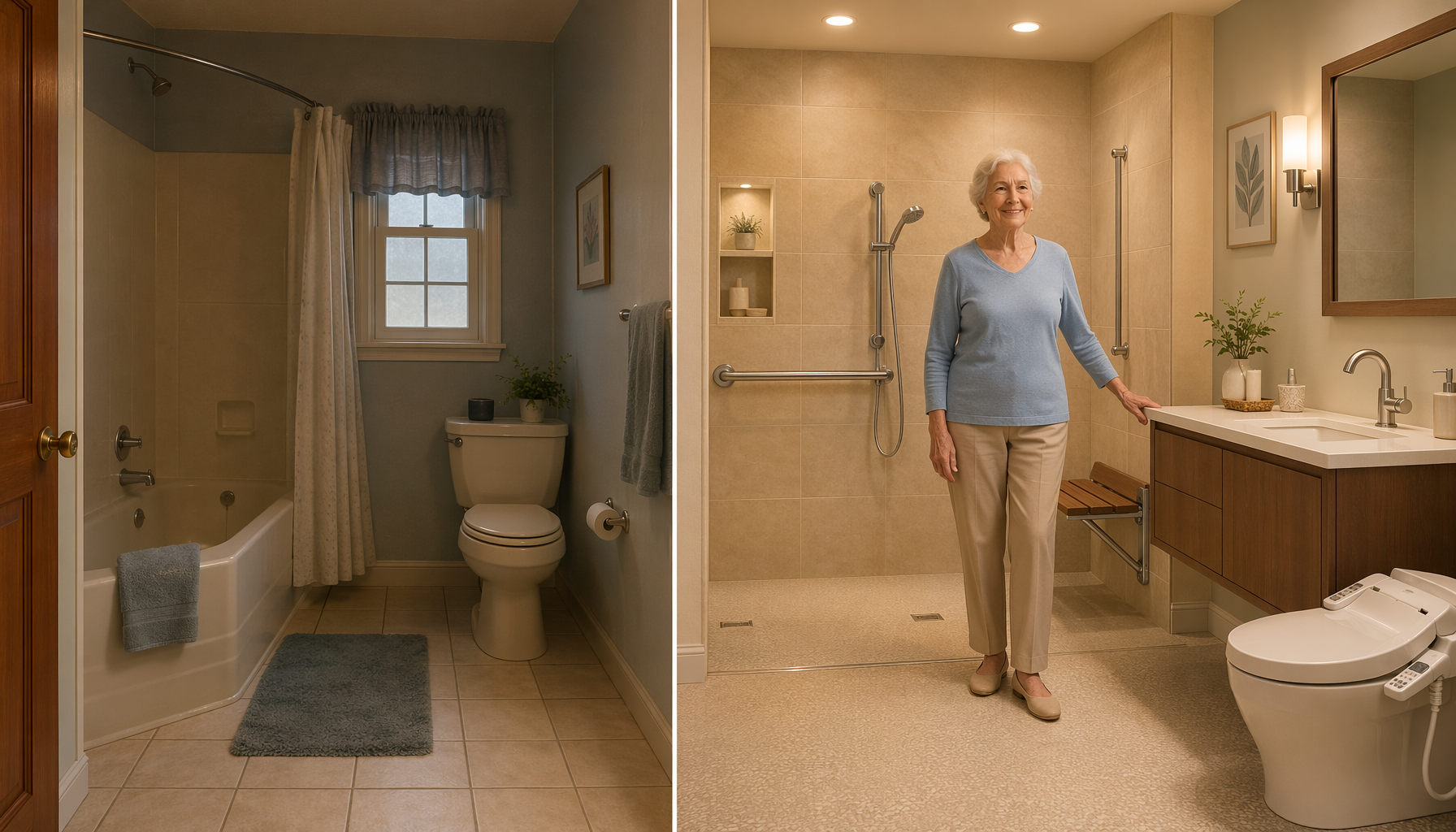
The Occupational Therapist’s Guide to Aging-in-Place Home Modifications: Evidence-Based Room-by-Room Safety Upgrades
Most home modification advice comes from contractors or marketers, not clinicians. This guide explains how occupational therapists assess homes for safety, which modifications they prioritize based on functional limitations, and how to get a professional OT home assessment—often covered by Medicare Part B.
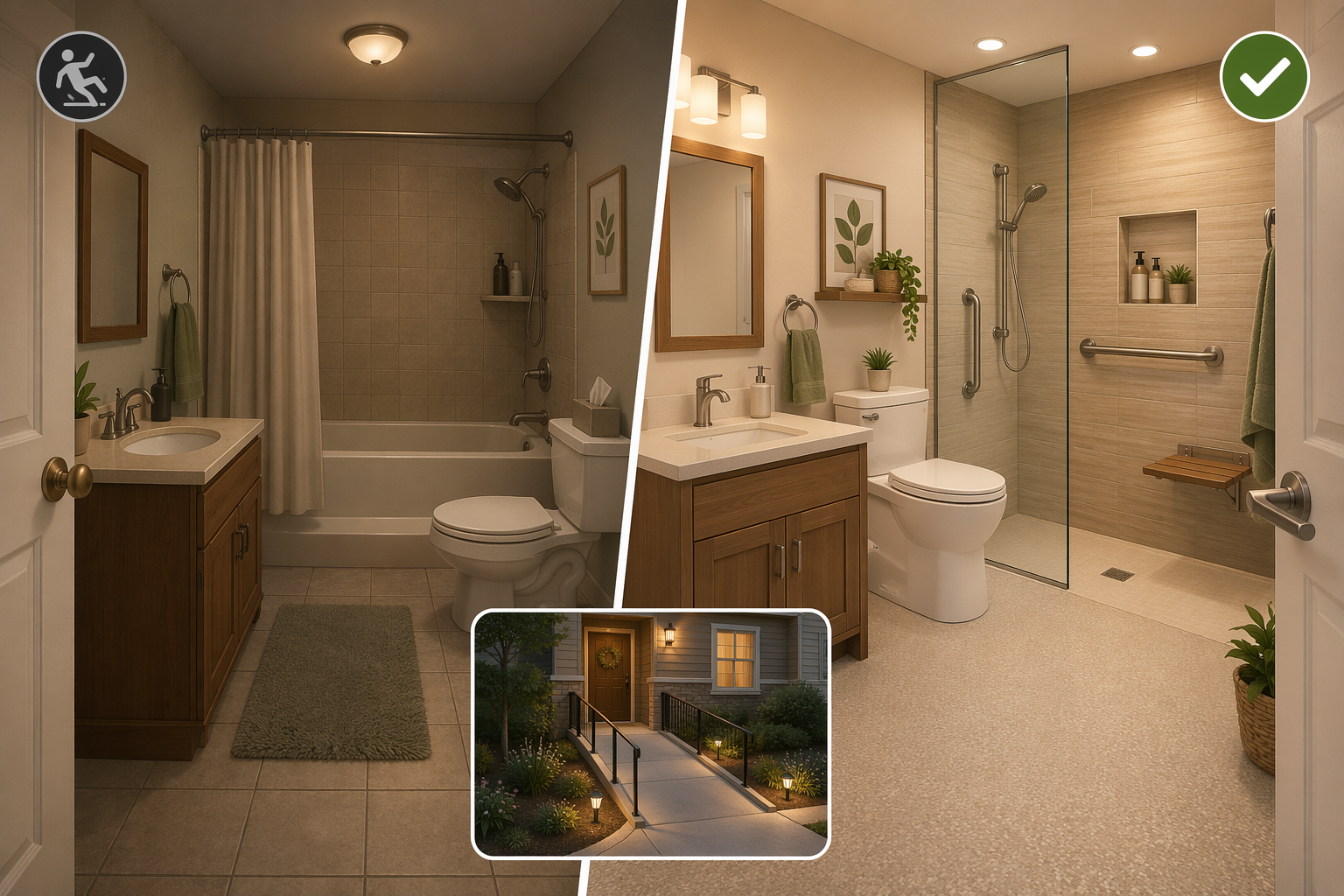
The Phased Approach to an Aging-in-Place Remodel: What to Prioritize First
Most aging-in-place checklists overwhelm you with a room-by-room laundry list. This guide offers a staged strategy organized by urgency—immediate safety fixes, medium-term accessibility upgrades, and long-term structural investments—so you can prevent costly rushed decisions and spread expenses over time.
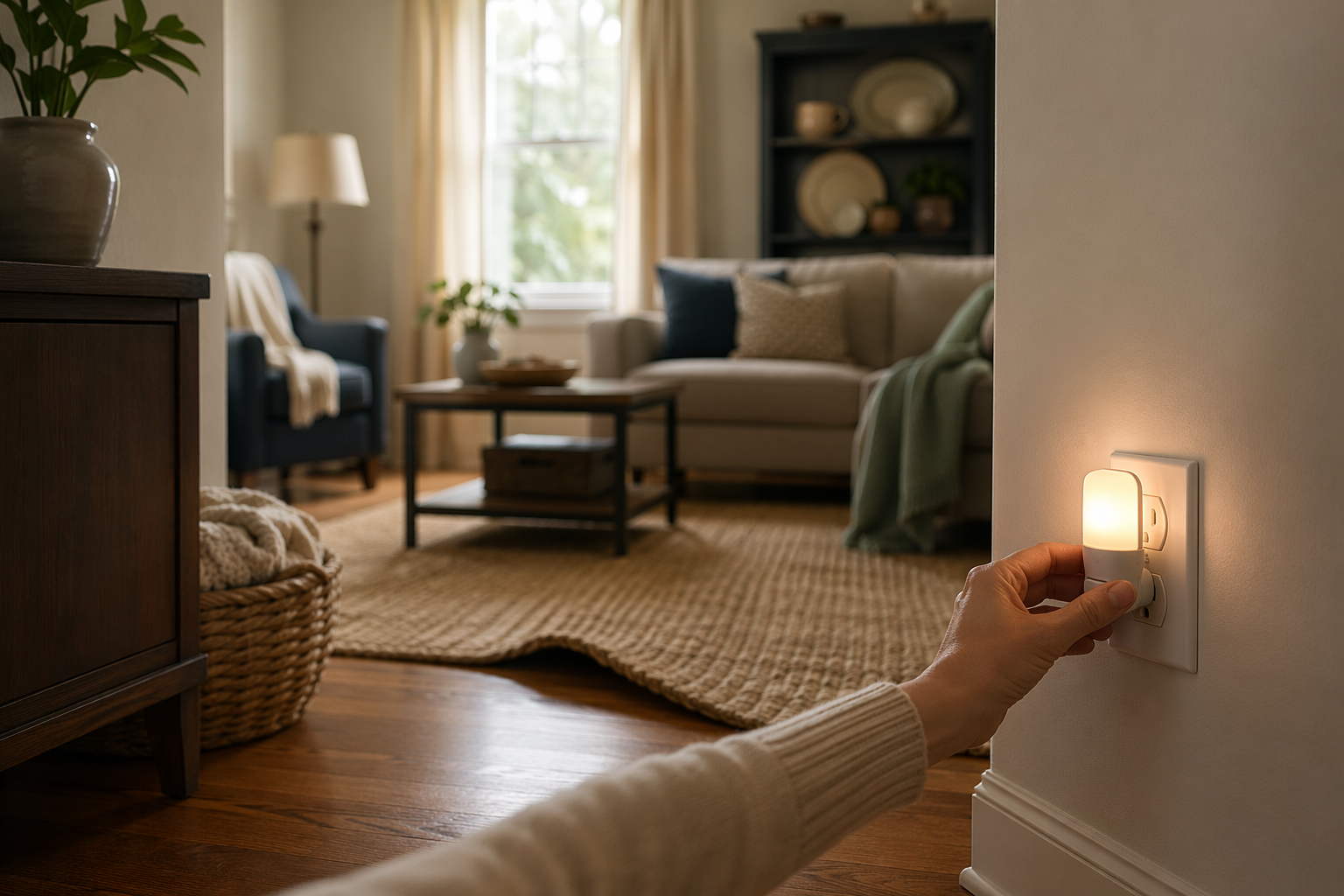
Where to Start: A Prioritization Framework for Aging-in-Place Home Modifications
This guide helps overwhelmed families sort home modifications into a tiered plan: critical safety fixes done first, high-impact updates next, with a concrete 12-month timeline and real-world cost estimates for each phase.

Home Modifications That Keep Seniors Safe During Tropical Storms
Generic storm checklists miss the home-safety risks that become critical for older adults when a tropical storm hits. This article covers targeted modifications—from grab bars and backup power planning to slip-resistant flooring—that reduce hazards and fill the gap between basic supplies and actual senior safety.
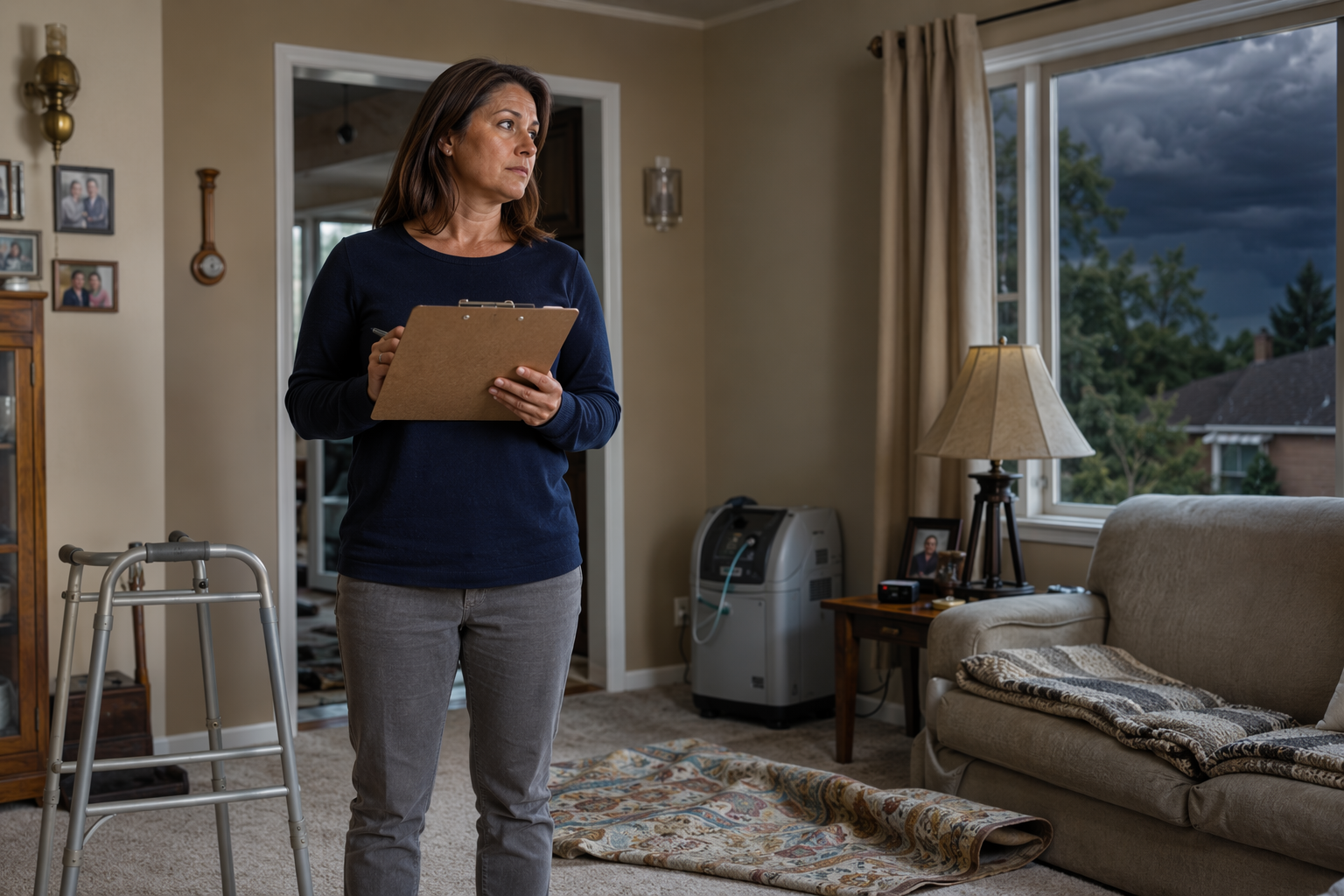
A Room-by-Room Severe Storm Safety Checklist for Seniors
Generic emergency checklists overlook the home itself. This guide provides a room-by-room severe storm preparedness plan for older adults, covering structural retrofits, a senior-specific supply kit, medical device backup plans, and a post-storm re-entry protocol that prevents falls, CO poisoning, and medication disruptions.
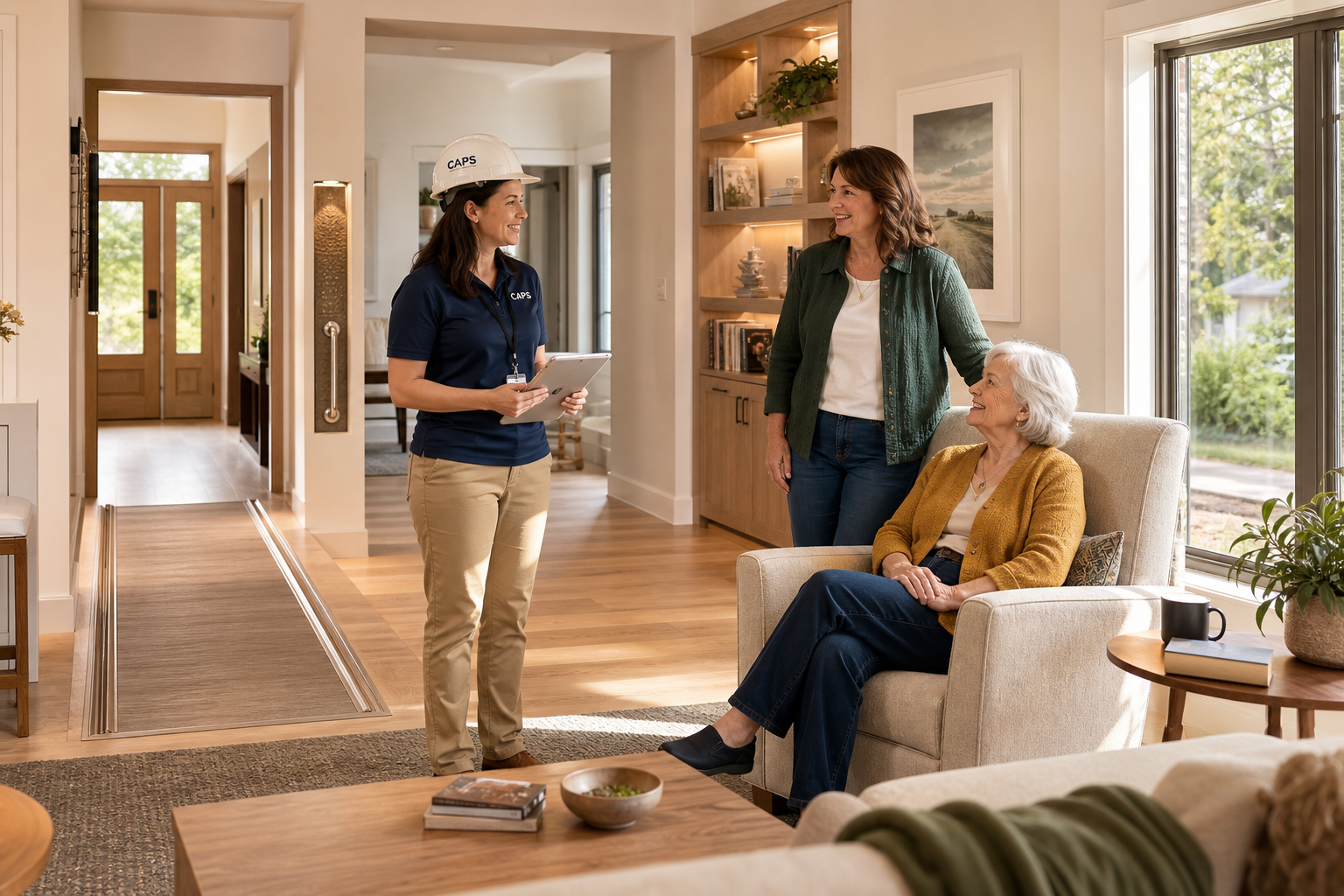
10 Questions Every Caregiver Should Ask Before Hiring a CAPS Specialist
A practical screening framework for adult children who need to interview and evaluate Certified Aging-in-Place Specialists — including what to listen for in their answers, why the credential alone isn't enough, and red flags that signal it's time to keep looking.
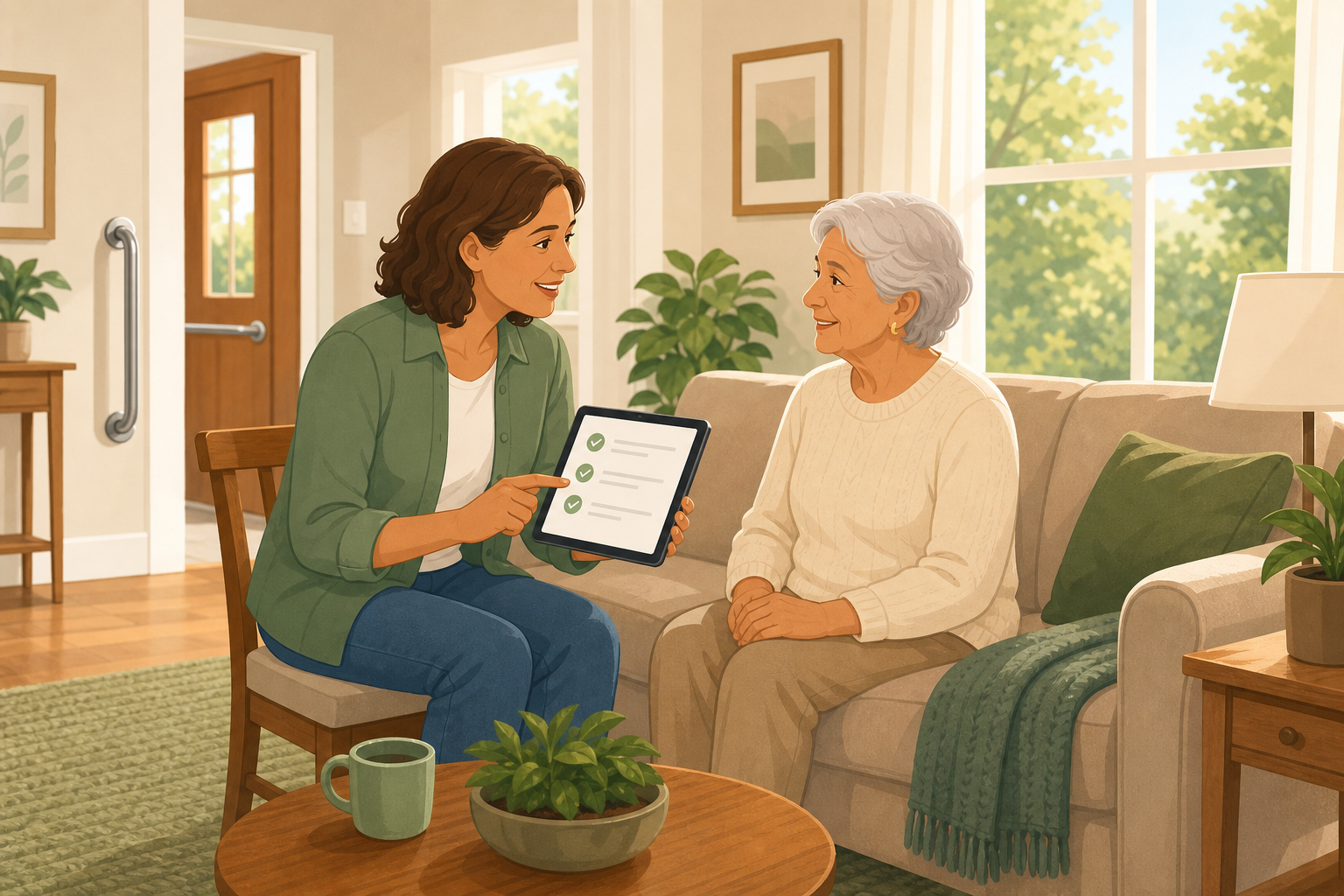
11 Red-Flag Signs Your Parent Needs a CAPS Specialist: A Room-by-Room Self-Assessment for Families
Most families call a CAPS specialist after a fall or crisis. This room-by-room self-assessment helps adult children identify 11 specific, observable red flags — from room avoidance to near-misses — and provides a scoring guide to decide when to monitor, schedule a consultation, or act urgently.