
Plan ahead
Home Modifications
Product-neutral, room-by-room aging-in-place guidance (entryway, bathroom, bedroom, kitchen, stairs/hallways) modeled on the AARP HomeFit checklist structure, with dimensional specifics (grab bar height and clearance, lighting placement, threshold height) drawn from ADA and CAPS standards. Each room page states what to check, what to change, and when a CAPS-credentialed professional is warranted, without naming or ranking contractors or products. Cross-links to relevant Fall Prevention risk factors and Mobility equipment comparisons.
Entryway
This room's checklist is in progress. In the meantime, the matching Fall Prevention risk factor covers general guidance.
Bathroom
This room's checklist is in progress. In the meantime, the matching Fall Prevention risk factor covers general guidance.
Bedroom
This room's checklist is in progress. In the meantime, the matching Fall Prevention risk factor covers general guidance.
Kitchen
This room's checklist is in progress. In the meantime, the matching Fall Prevention risk factor covers general guidance.
Stairs And Hallways
This room's checklist is in progress. In the meantime, the matching Fall Prevention risk factor covers general guidance.
Other
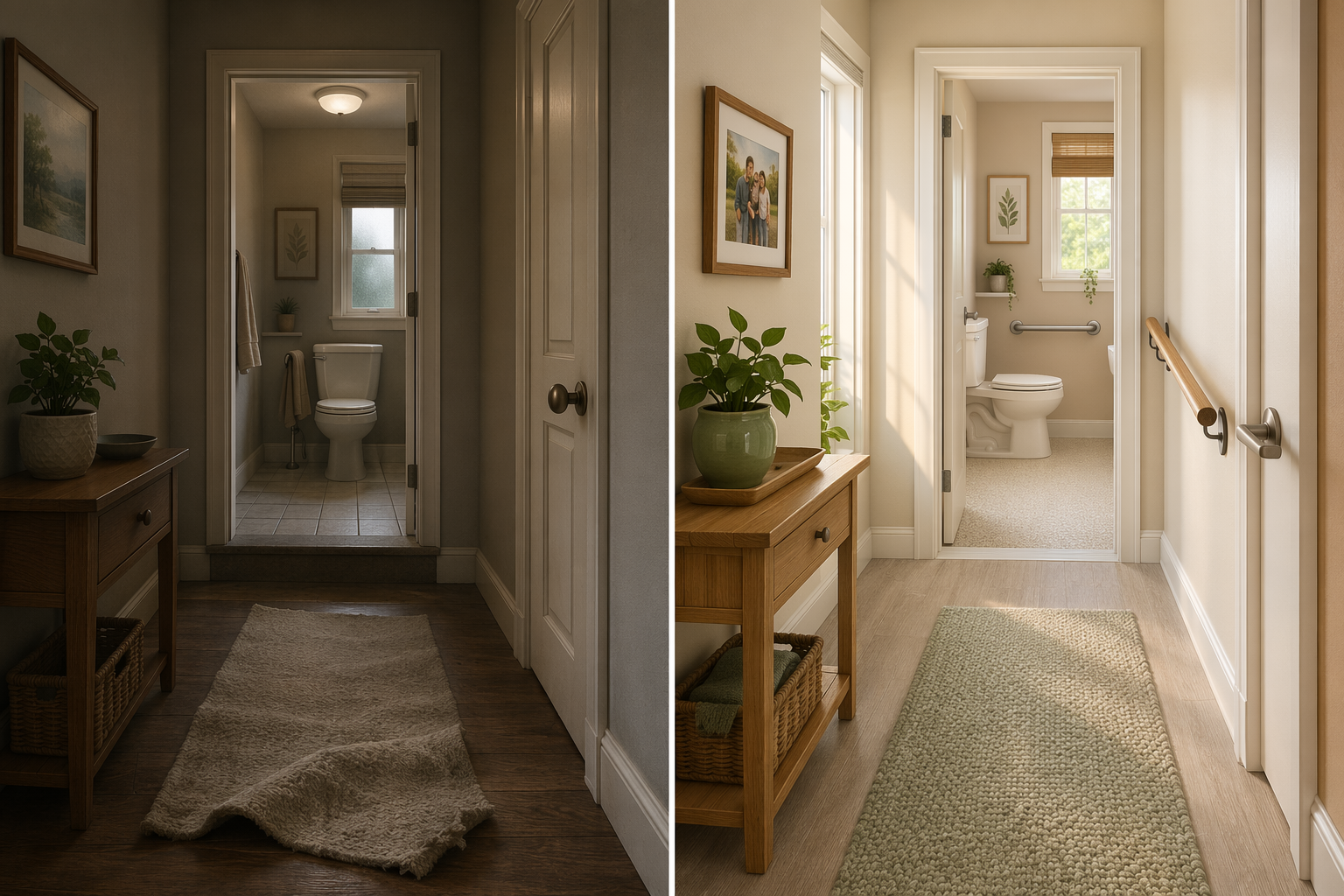
Home Modifications for Aging in Place: What the Evidence Actually Says (And What It Doesn't)
A 2025 systematic review of 20 studies confirms home modifications reduce falls and improve independence — but not all changes are equally proven. This guide grades the evidence so families can prioritize what works and avoid marketing hype.
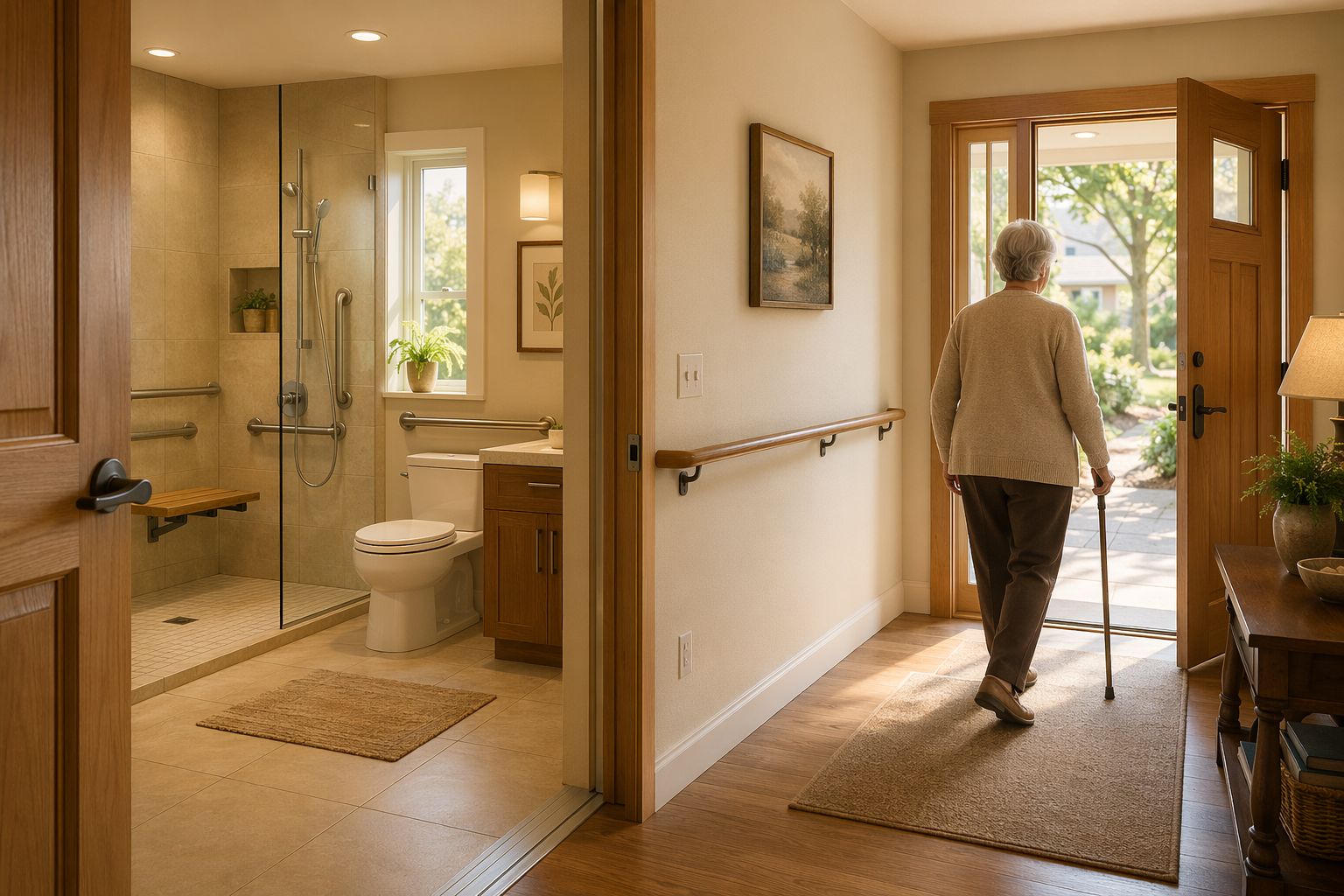
How to Pay for Aging in Place Home Modifications: A Complete Guide to Grants, Loans, and Assistance Programs
Many families assume home modifications are unaffordable, but federal grants, VA benefits, state Medicaid waivers, and nonprofit programs can significantly reduce or eliminate out-of-pocket costs. This guide walks family caregivers through every major funding source, eligibility requirements, and the step-by-step application process.
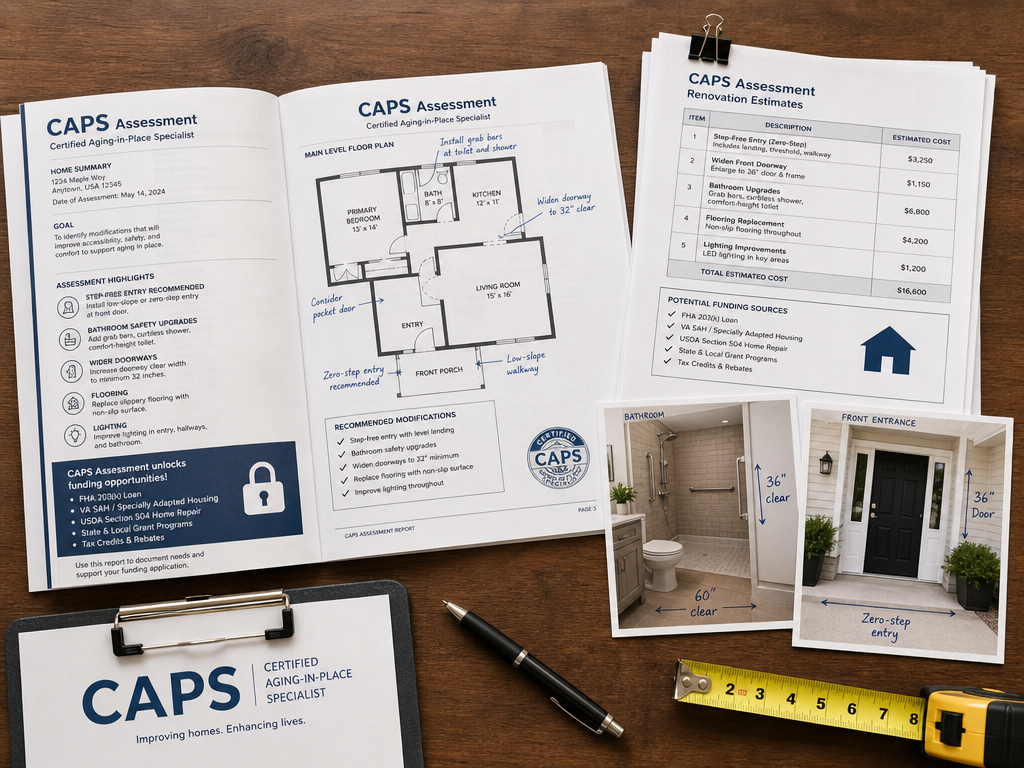
How to Pay for a CAPS-Guided Home Modification: Grants, Tax Deductions, and Financing Options in 2026
A funding-focused guide for adult children and spousal caregivers who have decided to work with a CAPS professional and now need to navigate payment for home modifications. Learn how a CAPS assessment report unlocks VA grants, Medicaid waivers, USDA loans, tax deductions, and nonprofit programs.
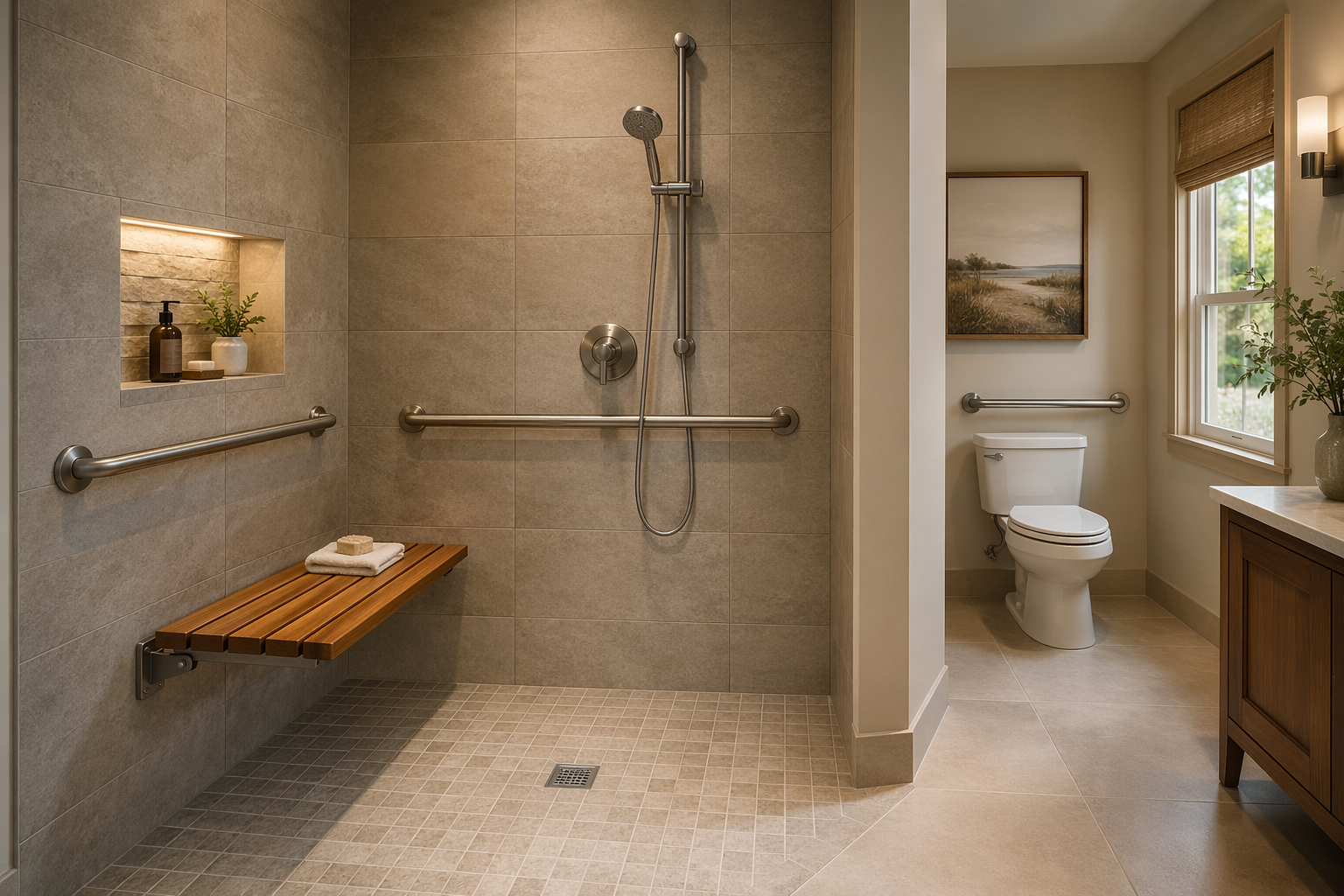
How to Pay for a Senior Bathroom Remodel: Grants, Loans, and Assistance Programs in 2026
A practical guide for family caregivers and older adults on fixed incomes who need bathroom safety modifications but are blocked by cost. Covers federal grants (USDA, VA), state Medicaid waivers, nonprofit programs, HUD loans, and tax deductions — with step-by-step application guidance and scam warnings.

Occupational Therapist vs. CAPS Specialist: Who Should Assess Your Parent’s Home for Safety?
Many family caregivers don't know whether to call an occupational therapist or a CAPS-certified aging-in-place specialist first. This guide explains the distinct roles each professional plays, where their expertise overlaps, and how a collaborative approach — starting with an OT assessment and moving to CAPS-led construction — can save money, reduce stress, and create a safer home.

Paying for Elderly Home Care in 2026: A Financial Roadmap for Families After a Hospital Discharge
This guide provides a comprehensive, 2026-specific financial roadmap for family caregivers confronting home care costs for the first time after a hospital discharge. It covers Medicare, Medicaid, VA benefits, long-term care insurance, and community programs in a decision-flowchart format.
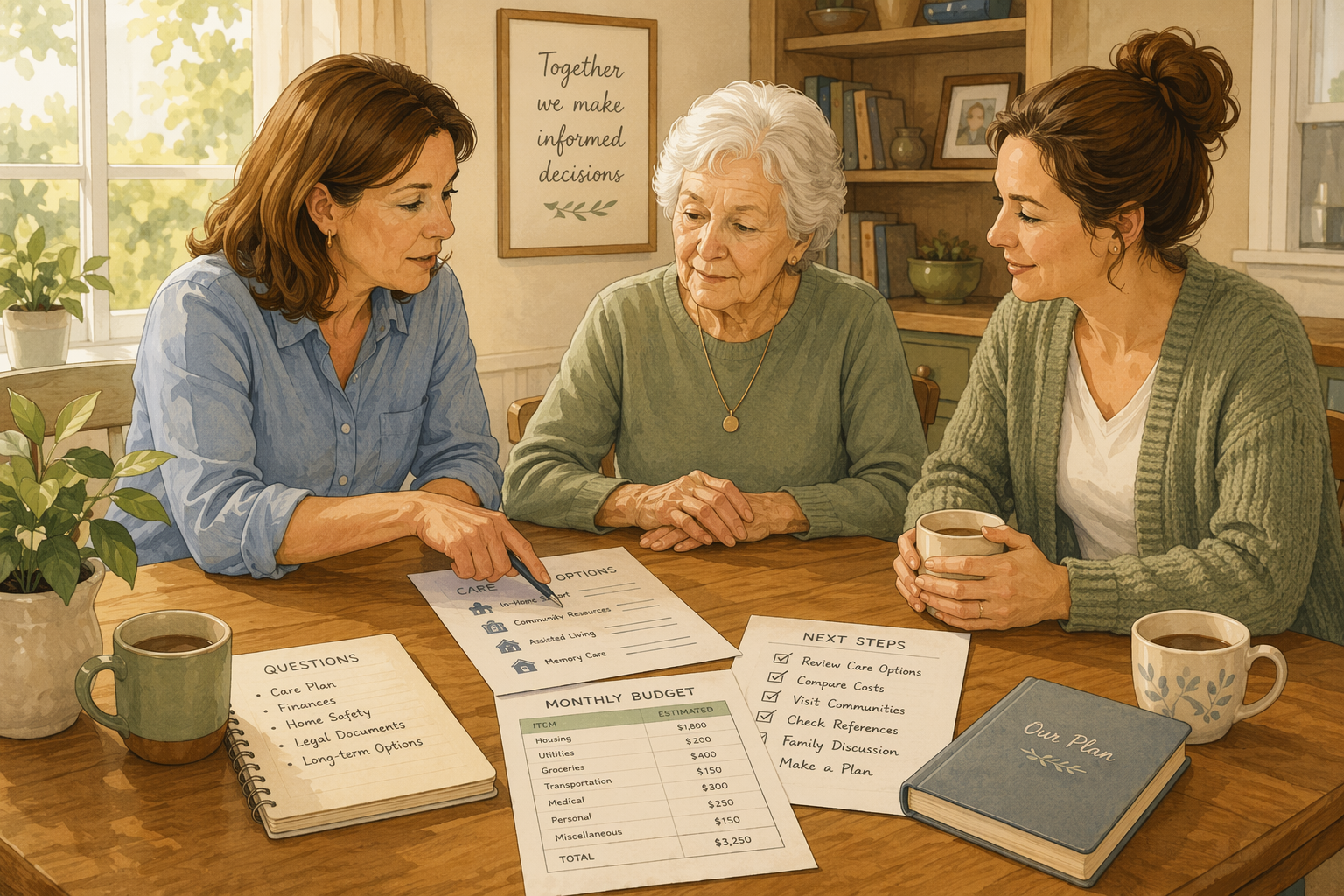
Private Sitter for Elderly: A Complete Family Decision Framework
A step-by-step framework for adult children deciding whether to hire a private sitter for an aging parent. Includes a self-assessment quiz, private-vs-agency decision tree, cost comparison, employer responsibilities checklist, and payment assistance options.
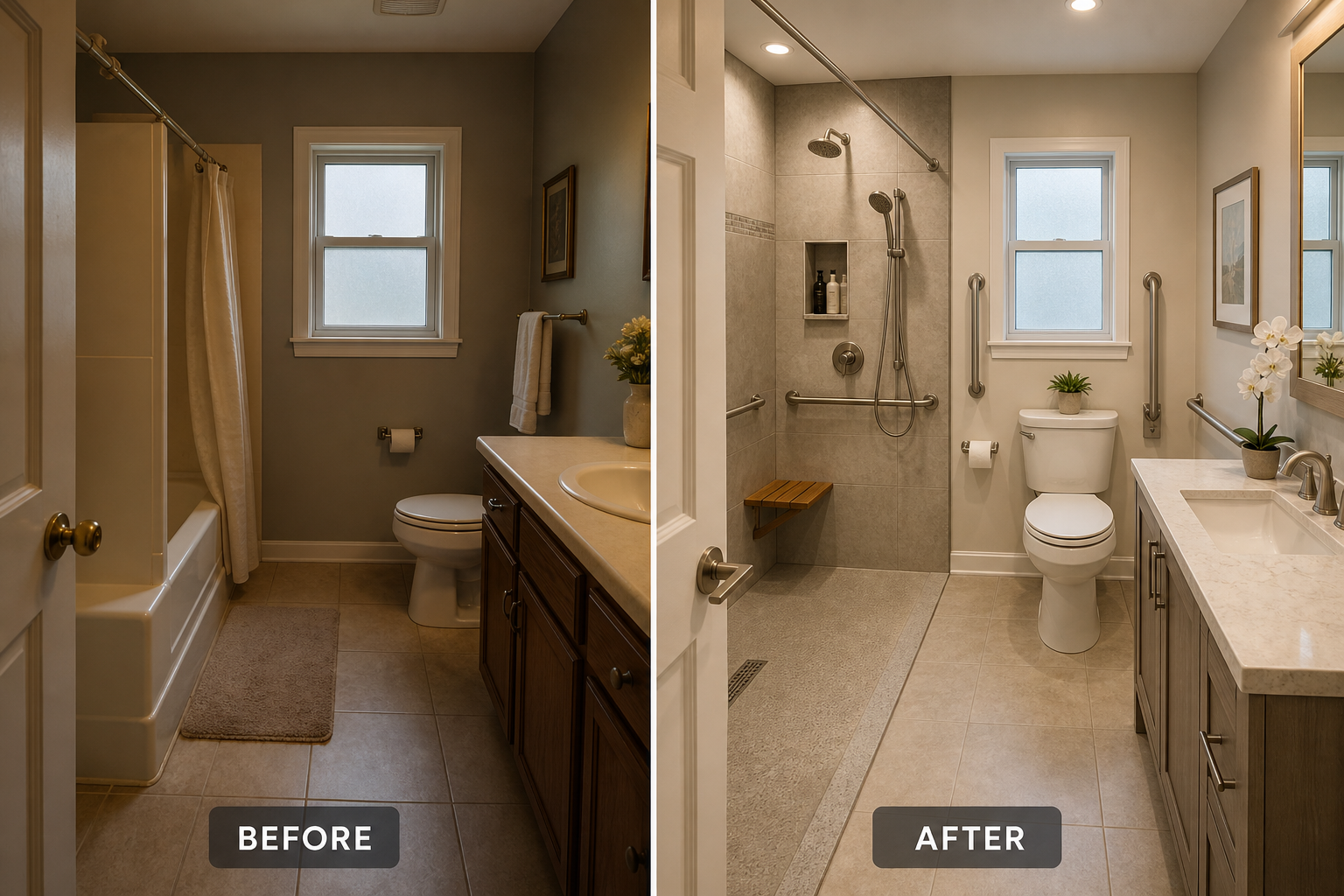
Walk-In Shower vs. Walk-In Tub for Elderly Adults: An Evidence-Based Comparison for Aging in Place
A product-neutral, head-to-head comparison of curbless walk-in showers and walk-in tubs for seniors aging in place. This guide helps adult children evaluate safety, cost, accessibility, and long-term value to make an informed bathroom modification decision.
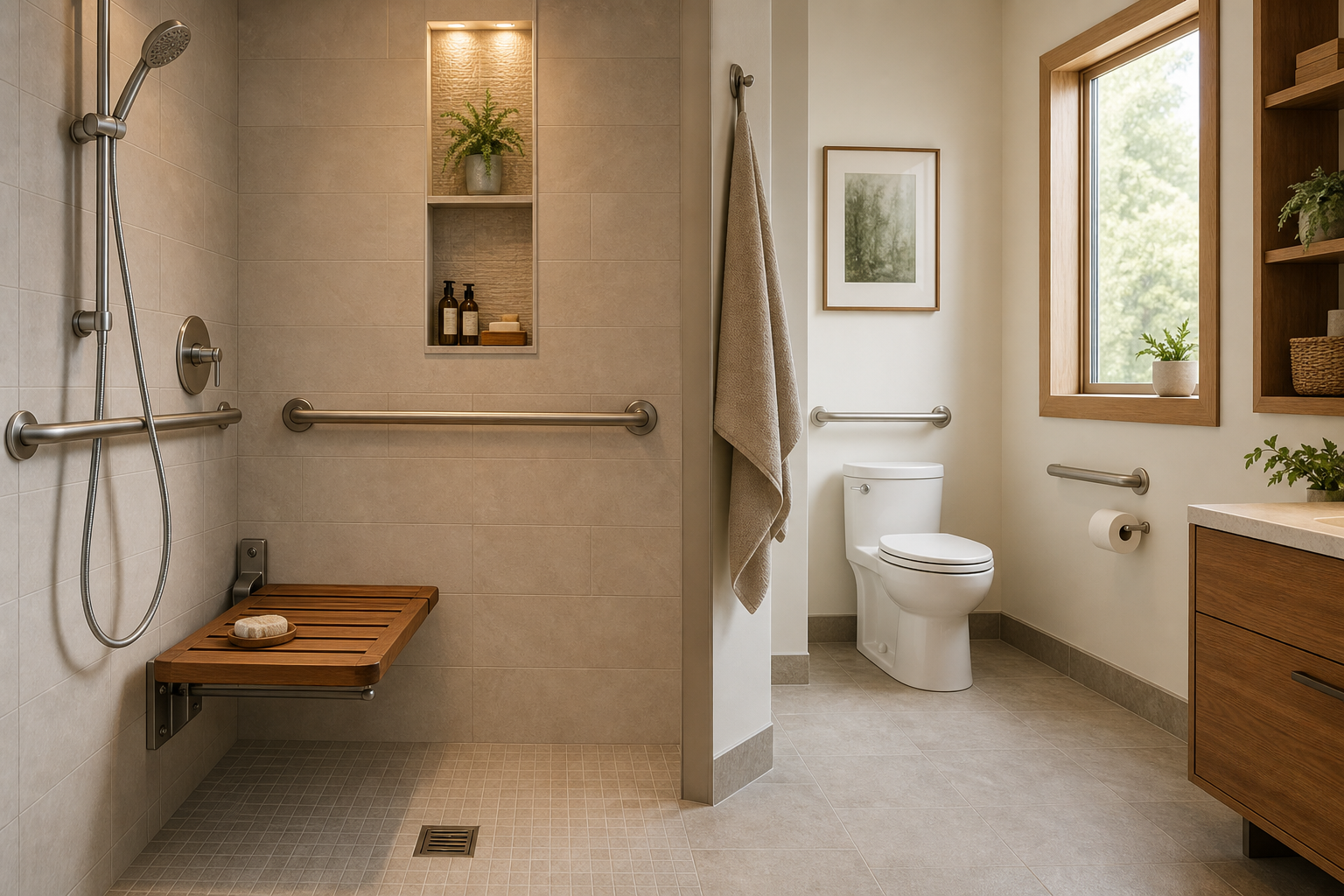
Walk-In Tub vs. Curbless Shower: Which Bathroom Remodel Is Safer for Your Aging Parent?
A neutral, evidence-based comparison for family caregivers deciding between a walk-in tub and a curbless shower during an aging-in-place bathroom remodel. Covers entry safety, caregiver access, cost ranges, and a decision framework based on mobility level and bathing needs.
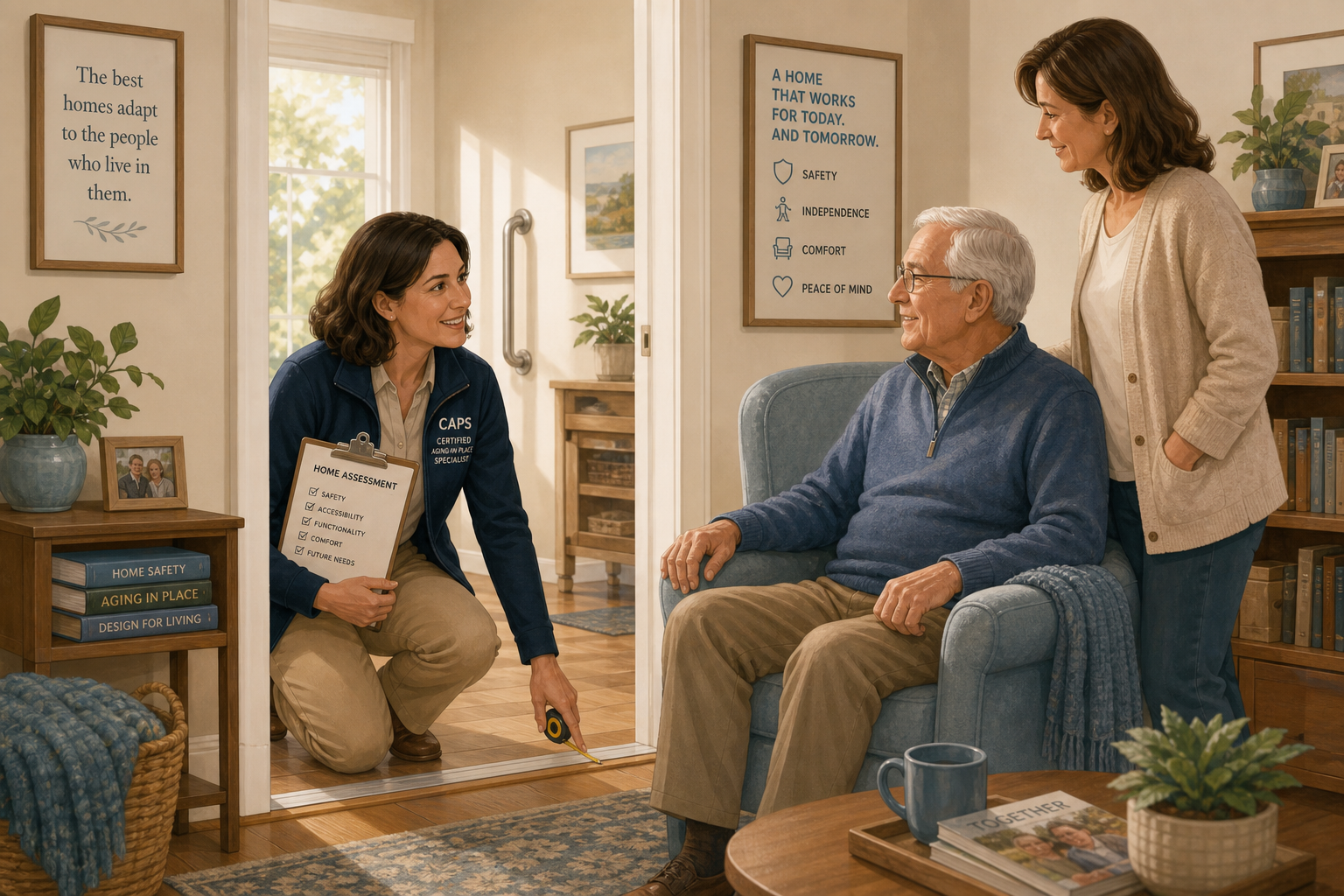
What Happens During a CAPS Home Assessment: A Step-by-Step Walkthrough from Scheduling to Final Report
If you've scheduled a Certified Aging-in-Place Specialist (CAPS) home assessment for your parent, this guide walks you through every stage — from the initial phone call and what to prepare, to the room-by-room inspection, the final report, and how to use the recommendations to create a safer home.
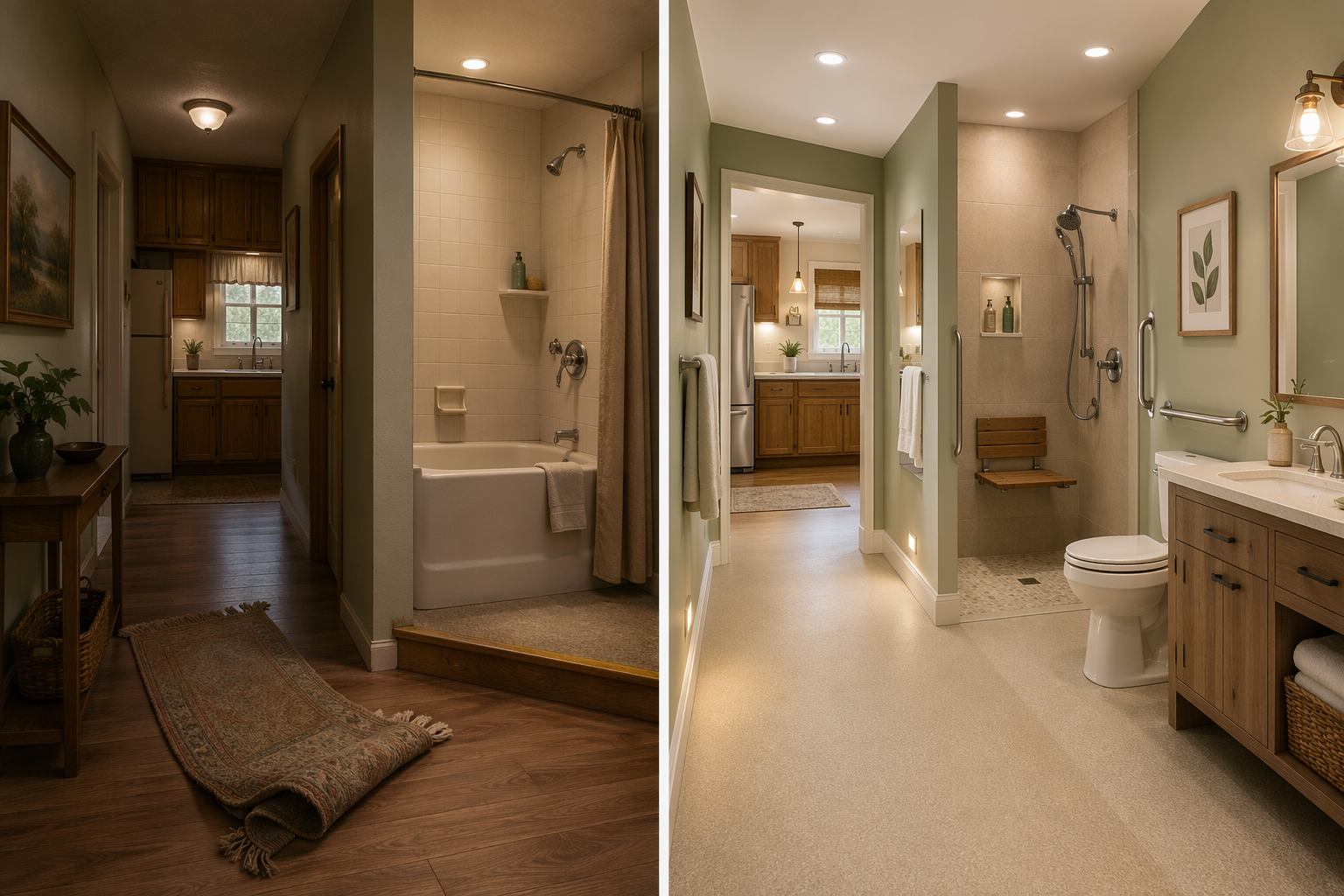
What Home Modifications Actually Work? An Evidence-Based Guide to Which Aging-in-Place Upgrades Reduce Falls and Improve Independence
A 2025 systematic review found that 65% of studies confirm home modifications are effective for fall prevention and independence. This guide translates the research into actionable recommendations for adult children deciding which upgrades to prioritize after a parent's fall or mobility decline.
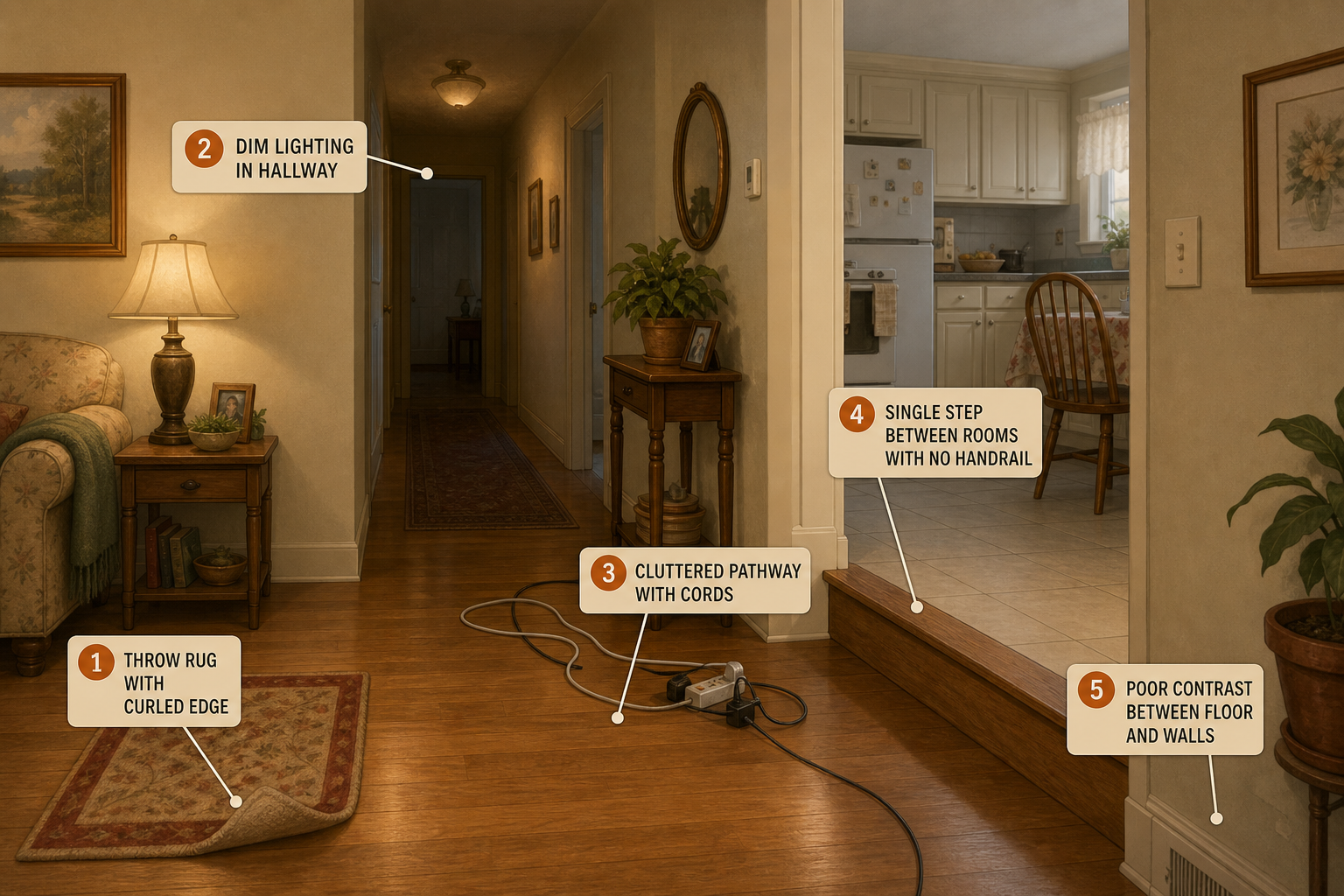
Is It Time to Call a CAPS? 5 Signs Your Parent's Home Needs an Aging-in-Place Specialist
Most families wait until after a fall to make a home safer. This article helps adult children identify five early warning signs — from subtle mobility changes to a new dementia diagnosis — that signal it's time to call a Certified Aging-in-Place Specialist (CAPS) for a professional assessment before a crisis forces a move.